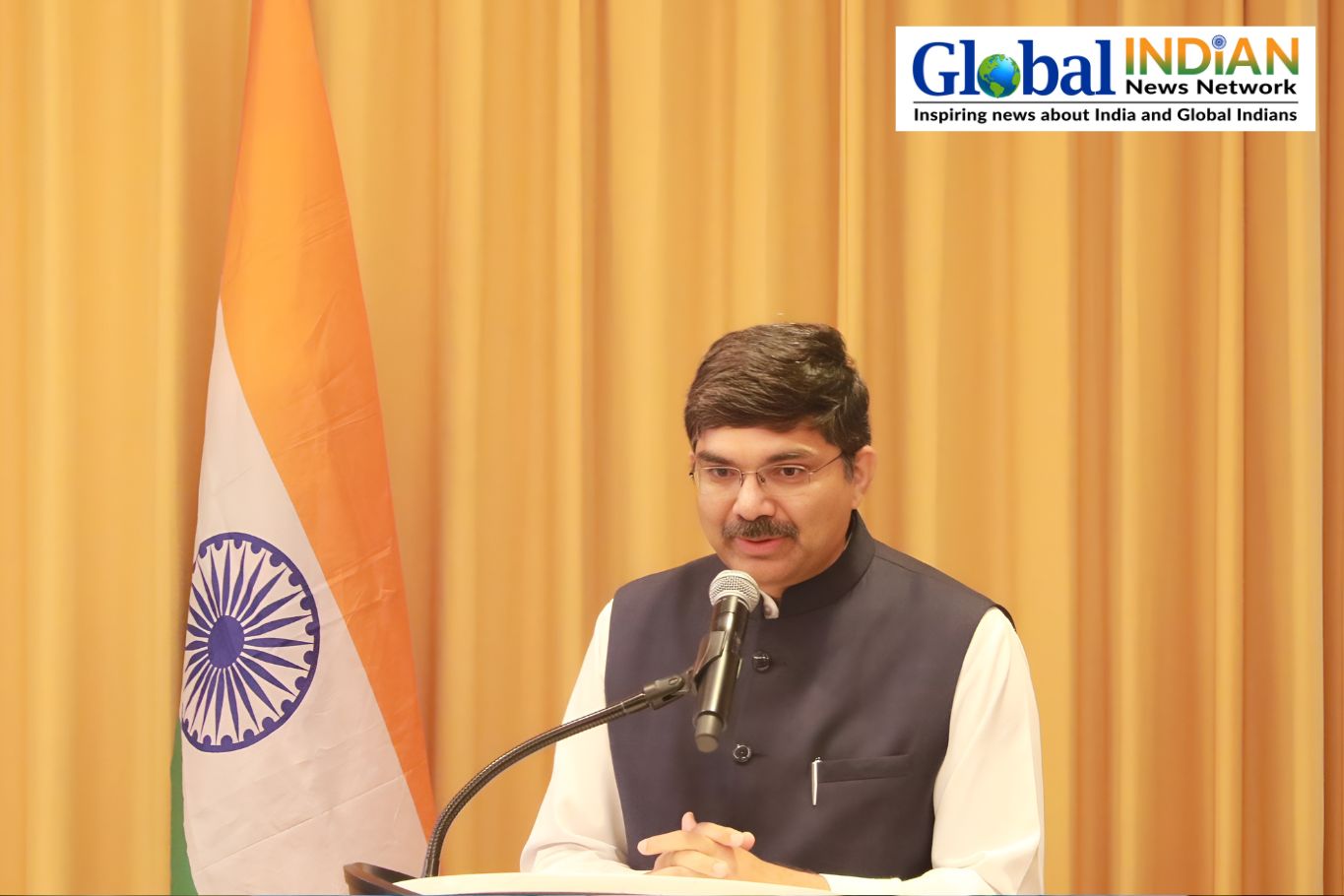
 Dr. K. Srikar Reddy has concluded his three-year tenure as India’s consul general in San Francisco, leaving behind an expanded diplomatic mission, stronger engagement with the Indian American community and broader efforts to advance cooperation between India and the United States.
Reddy served in San Francisco from August 2023 through August 2026 before moving to his new assignment as India’s ambassador to Qatar. Career diplomat Satish Sivan, who previously served as India’s consul general in Dubai and the Northern Emirates, has taken over the San Francisco post.
One of the most visible developments during Reddy’s tenure was the relocation of the consulate from its former facility on Argyle Street to a larger property on Stevenson Street in downtown San Francisco. Reddy said the move was largely prompted by the dramatic growth of the Indian American population in the Bay Area.
The new facility also provided space that could be made available to community organizations for events, reinforcing the consulate’s efforts to build closer connections with Indian Americans.
Reddy also highlighted improvements to emergency consular assistance. During his first year, the mission introduced an emergency phone service accessible through its website and social media channels. The initiative allowed Indian nationals facing urgent passport or visa needs to seek assistance outside normal working hours, including weekends and holidays.
Making the consulate more accessible was a central theme of his tenure. Reddy said the objective was to make members of the diaspora feel that the diplomatic mission was a reliable home away from home.
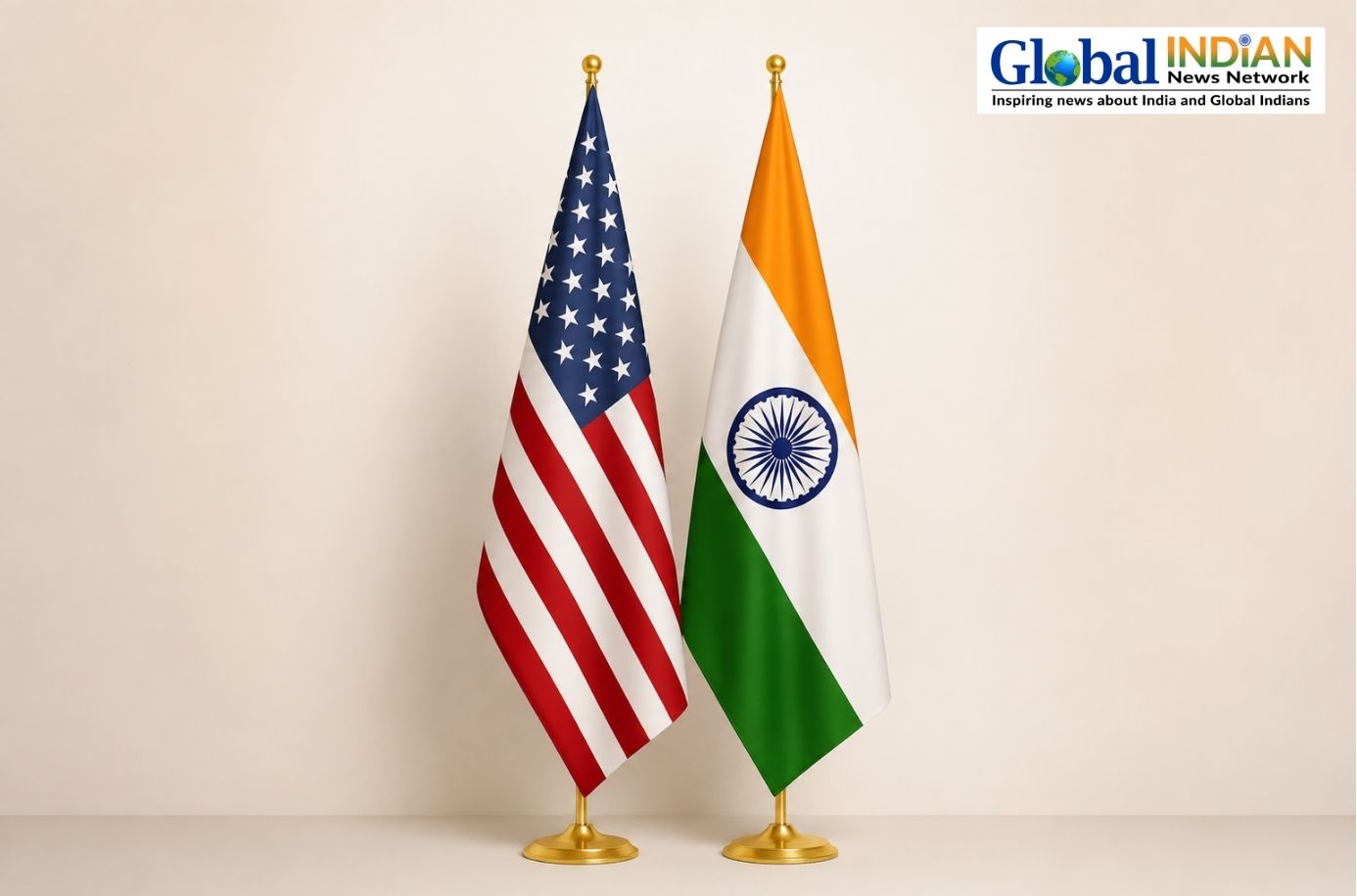
He also viewed the Indian American community as an important link between the two countries. With strong representation in technology, business, academia and other fields, the community played an increasingly important role in expanding India-US engagement.
Technology emerged as another major area of focus. Reddy pointed to cooperation involving artificial intelligence, semiconductors and other strategic technologies under the India-US TRUST Initiative. He also highlighted India’s efforts to build computing capacity through its IndiaAI Mission.
Semiconductors became an increasingly important component of bilateral economic cooperation, with US companies maintaining a substantial presence in India’s design ecosystem while expanding toward manufacturing and assembly. Reddy cited Micron’s semiconductor facility in Gujarat as an example of this growing relationship.
Trade and investment were also prominent during his tenure. Reddy discussed efforts to attract American companies to GIFT City in Gujarat while emphasizing the need for mutually beneficial trade arrangements.
Community leaders praised Reddy for his accessibility and efforts to strengthen relationships across business, technology and diaspora networks. Several described him as responsive and effective in facilitating engagement between Indian officials and the Indian American community.
As Reddy departs, he expressed confidence that Sivan will continue the initiatives already underway and further develop India-US relations. He leaves San Francisco with strong professional and personal ties, while the diplomatic transition comes as both countries continue expanding cooperation in technology, trade, investment and strategic sectors.