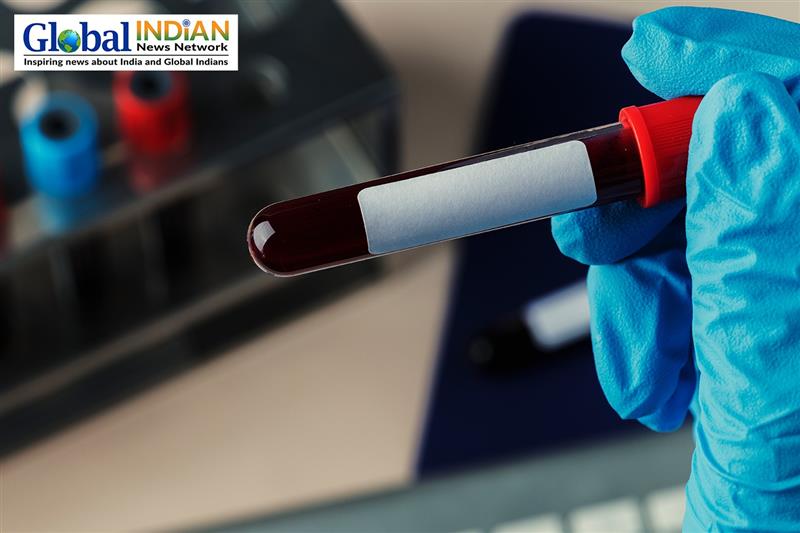
 Scientists have developed a promising low-cost blood test that could potentially detect multiple cancers and other diseases using just a single sample. The method analyzes tiny fragments of DNA circulating in the blood, known as cell-free DNA, to identify biological signals linked to disease. Researchers believe this approach could transform early diagnosis by making screening more accessible and affordable.
The test focuses on DNA methylation patterns, which are chemical markers that influence how genes behave and differ depending on tissue type and disease conditions. By studying these patterns instead of searching for direct genetic mutations, the test can capture broader biological changes linked to cancer and other illnesses.
One of the major innovations in this method is its ability to reduce background noise. Most cell-free DNA in the blood comes from normal, healthy cells, making disease detection difficult. The researchers solved this by filtering out a large portion of this background genetic material, allowing them to focus only on the most informative DNA regions. This significantly reduces the need for expensive deep sequencing and brings the estimated cost down to under $20 per sample.
In a clinical study involving more than 1,000 participants, the test demonstrated encouraging results. It was able to detect around 63% of cancers overall and approximately 55% of early-stage cancers while maintaining a high specificity rate of about 98%, meaning very few false positives. In high-risk individuals, particularly those with liver disease, detection rates reached nearly 80%, showing strong potential for targeted screening.
Beyond cancer detection, the test also showed the ability to differentiate between various liver diseases with high accuracy. It could even suggest the likely organ of origin, which may help doctors decide on follow-up imaging or diagnostic procedures more effectively. Researchers believe this could reduce the need for invasive tests such as biopsies in some cases.
Experts involved in the study say the technology could eventually enable a single blood test to screen for multiple diseases before symptoms appear. This would mark a shift from reactive treatment to early preventive healthcare. However, they also emphasize that larger clinical trials are needed before the test can be widely used in hospitals.
Although still in the research phase, this advancement highlights the growing potential of DNA-based blood testing. If further studies confirm its effectiveness, it could significantly change how diseases like cancer are detected and monitored in the future, making early diagnosis faster, cheaper, and more accessible worldwide.