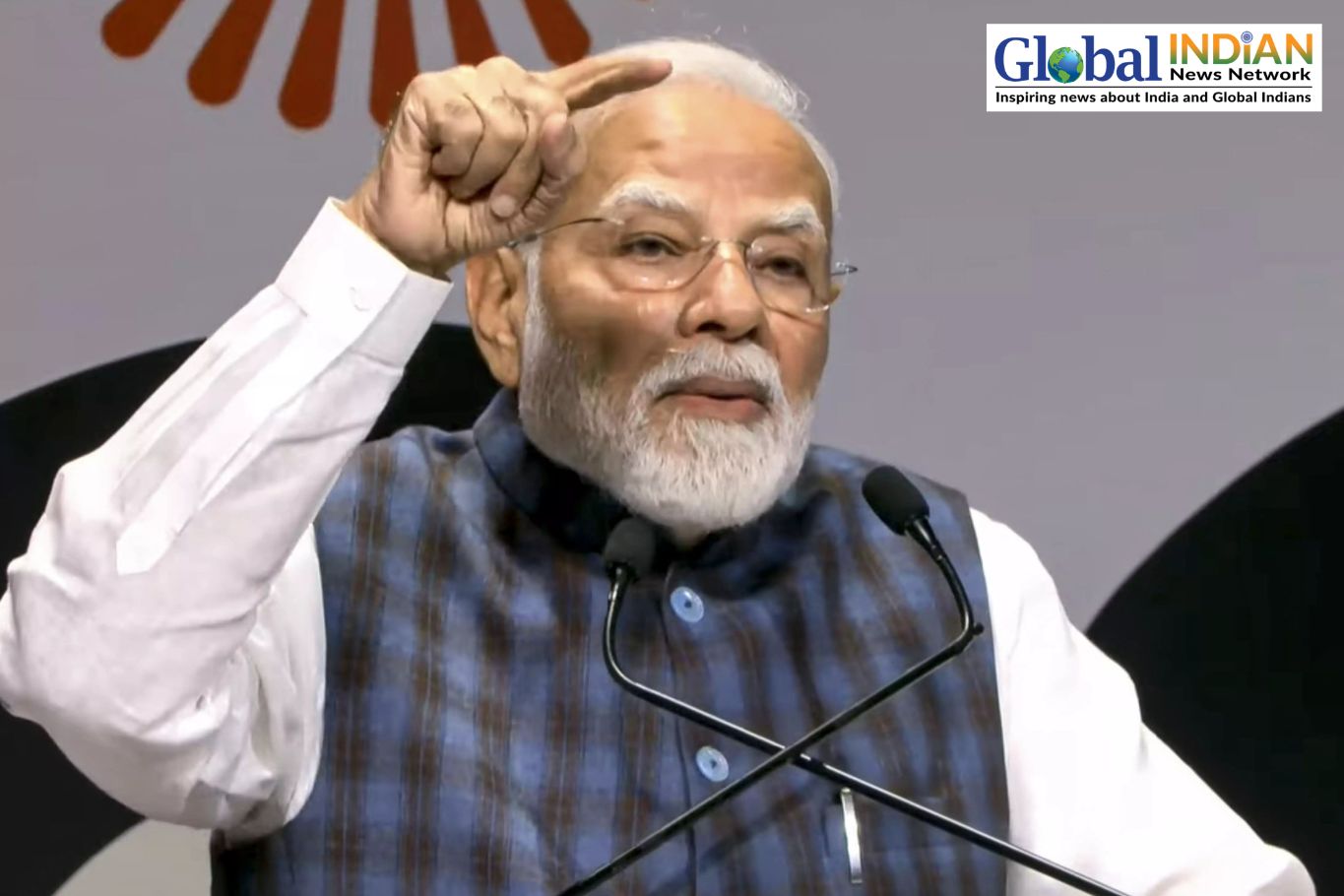
 Prime Minister Narendra Modi has urged Indian industries to make ‘India First’ the guiding principle behind their long-term investment decisions over the next two decades, emphasizing that prioritizing national interests will strengthen economic self-reliance while creating new opportunities for business growth.
Addressing the centenary convention of the Federation of Indian Chambers of Commerce and Industry (FICCI) in New Delhi, the Prime Minister called on business leaders to consider what Indian industry could achieve over the next 20 years. He highlighted FICCI’s century-long contribution to India’s industrial and economic development and encouraged businesses to prepare for the country’s next phase of growth.
Reflecting on India’s economic journey, Modi referred to different phases, including the License Quota Raj, nationalisation and the period when India was categorized among the Fragile Five economies. He credited the efforts of young people, farmers, workers and industry leaders over the past 12 years with helping transform the country’s economic position.
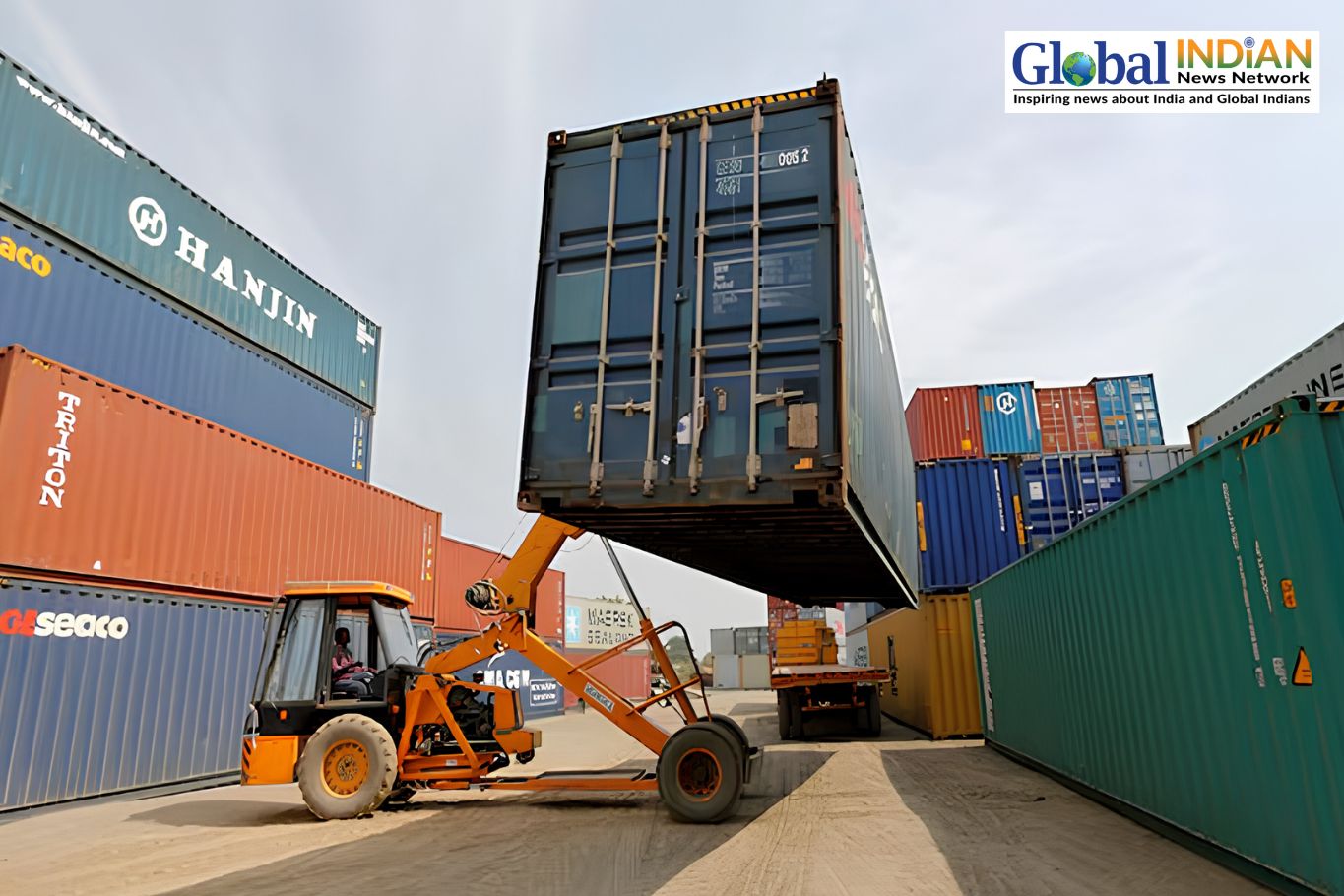
The Prime Minister said India is currently the world’s fastest-growing major economy, with projected growth of around 7%. He also highlighted the country’s export performance, noting that monthly merchandise exports reached nearly $50 billion in the previous month, marking a record high.
Modi pointed to improved growth forecasts from international institutions, including Moody’s Ratings, S&P Global Ratings, Fitch Ratings, the World Bank and the Asian Development Bank, as indicators of confidence in India’s economic outlook.
Referring to a recent World Bank report, he said approximately 50 crore Indians had moved out of poverty over a period of 12 to 13 years. He contrasted this development with earlier poverty-reduction efforts, arguing that effective policies and implementation were essential to achieving large-scale economic progress.
The Prime Minister also encouraged businesses to make greater use of India’s recent trade agreements. He urged companies to understand international customer requirements, maintain global quality standards and establish stronger distribution networks to expand their presence in overseas markets.