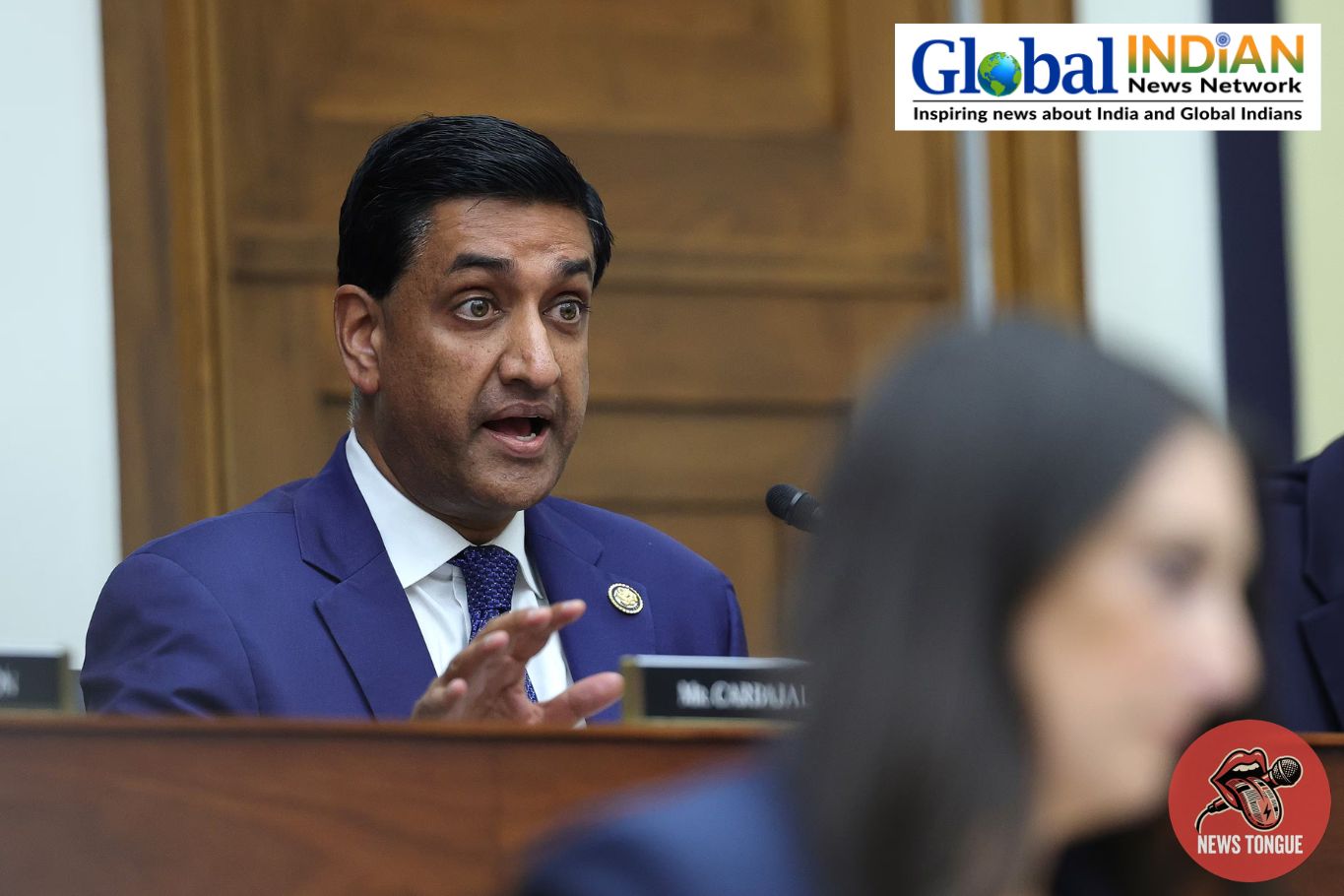
 California Congressman Ro Khanna and Senator Adam Schiff have reintroduced legislation aimed at preventing the use of deceptive artificial intelligence-generated political advertisements, saying the rapid advancement of AI technology presents a growing challenge to the fairness and credibility of US elections.
The proposed AI Ads Act would prohibit the use of AI-created content that falsely represents political candidates, campaign committees, or organizations. The legislation targets manipulated images, videos, and audio recordings that could mislead voters by fabricating a candidate’s views, campaign messages, or public statements. Lawmakers say the measure is intended to ensure that political campaigns remain transparent as AI tools become increasingly sophisticated.
The bill also incorporates bipartisan recommendations previously issued by the Federal Election Commission. Schiff first introduced similar legislation during the previous session of Congress, and both lawmakers are now pushing for its passage ahead of the upcoming federal elections.
Schiff warned that AI-generated political misinformation has already appeared in election campaigns across the country. He said the technology has advanced to a point where fabricated campaign materials can closely resemble authentic content, making it more difficult for voters to identify false information. According to Schiff, Congress must act quickly to prevent AI from being used to manipulate public opinion and undermine confidence in the democratic process.
Khanna stressed that while artificial intelligence has the potential to deliver significant benefits across industries, it should never be exploited to deceive voters or interfere with free and fair elections. He said the legislation seeks to establish clear boundaries for the responsible use of AI in political campaigns while protecting the integrity of the electoral process.
If approved, the legislation would expand existing federal restrictions on fraudulent political misrepresentation by explicitly including content created entirely or partially with artificial intelligence. It would also broaden rules covering individuals or groups that falsely claim to represent political candidates, campaign committees, or political organizations. In addition, the proposal would eliminate the current requirement that deceptive content must be considered harmful to another candidate or political party before enforcement can take place.
The legislation has received support from several organizations focused on election transparency and government accountability, including the Campaign Legal Center, Citizens for Responsibility and Ethics in Washington, Common Cause, Protect Democracy, and Public Citizen. Supporters argue that federal safeguards are necessary as more states introduce laws addressing deceptive AI content in elections.
Khanna, who represents California’s Silicon Valley district, has long focused on technology policy and remains one of the most prominent Indian American lawmakers advocating for responsible AI regulation.