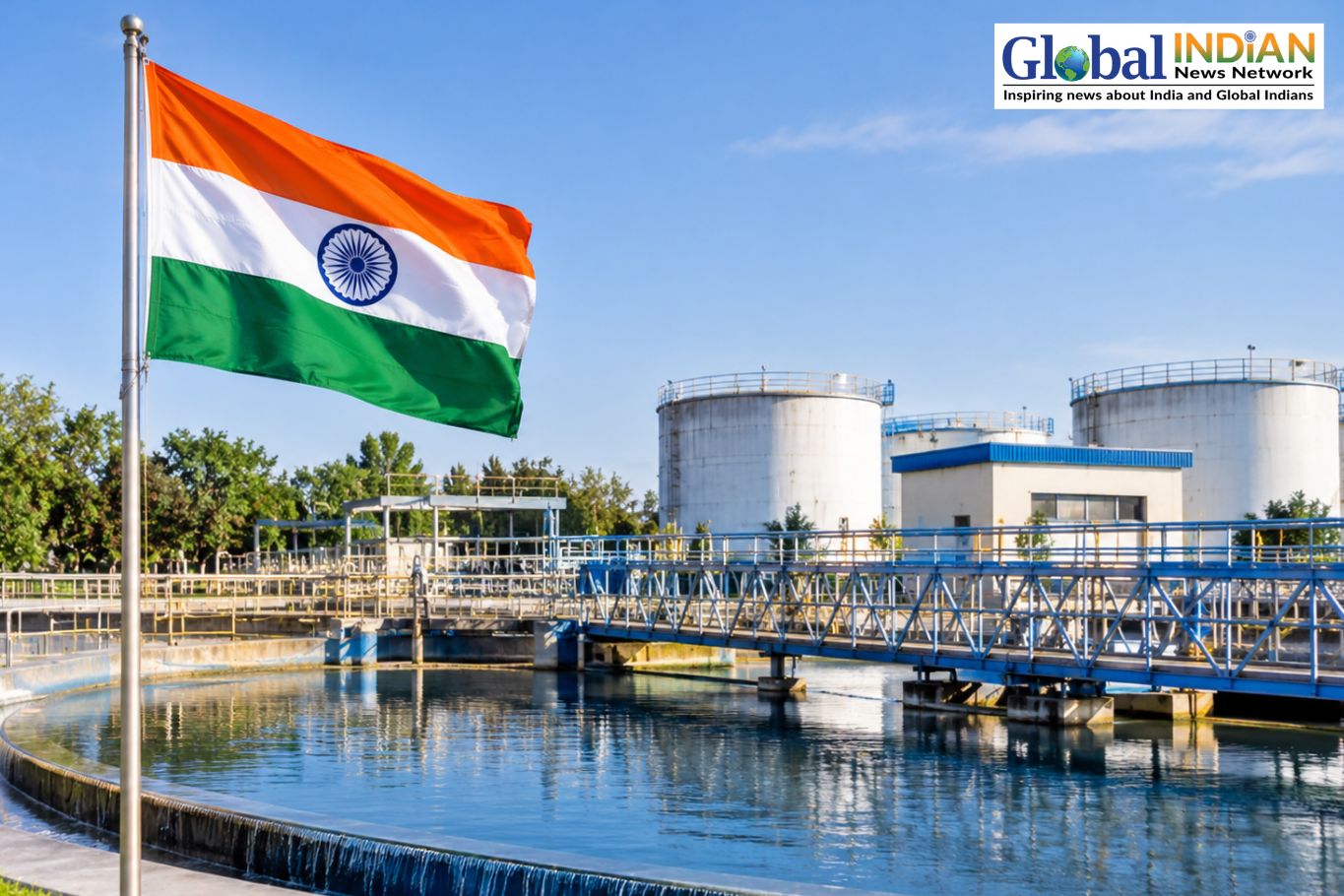
India’s approach to water management is attracting international attention, with the World Bank recognizing its initiatives as practical examples for developing countries. Saroj Kumar Jha, Global Director for Water at the World Bank Group, described India’s achievements as a significant success story during a virtual media briefing ahead of the 2026 United Nations Water Conference. He identified three major programs—Jal Jeevan Mission, Namami Gange and Swachh Bharat Mission—as initiatives that other nations could adapt to address their own water and sanitation challenges.
The Jal Jeevan Mission has provided approximately 800 million people with access to improved drinking water in less than seven years, marking an achievement of considerable scale. Its implementation has attracted interest across the Global South, where several countries are exploring similar approaches. India’s sanitation efforts have also influenced international programs, with Nigeria drawing inspiration from the Swachh Bharat Mission while developing its own Clean Nigeria campaign.
Jha also highlighted the progress of the Namami Gange Programme in tackling pollution and restoring the ecological condition of the Ganga River. The World Bank has contributed to the National Mission for Clean Ganga through multiple financial support mechanisms. Additionally, its funding has helped India strengthen the resilience of nearly 900 dams. The country has also established specialized centers of excellence to develop technical knowledge and expertise in water management.
India’s urban water initiatives received recognition as well, particularly efforts to help financially stable municipalities access capital markets for infrastructure development.
The 2026 United Nations Water Conference, jointly hosted by the United Arab Emirates and Senegal, will take place in Abu Dhabi from December 8 to 10. India is expected to participate with a large senior-level delegation and host a dedicated side event focusing on the concept of “river cities.”