India’s telecommunications sector continued its upward trajectory in July 2026, with the country’s total telephone subscriber base climbing beyond 1.35 billion, according to data released by the Telecom Regulatory Authority of India (TRAI).
The number of total telephone subscribers increased from 1.348 billion at the end of June to approximately 1.354 billion by the end of July. This represented monthly growth of 0.46%. Overall tele-density also edged higher during the month, moving from 94.31% to 94.68%.
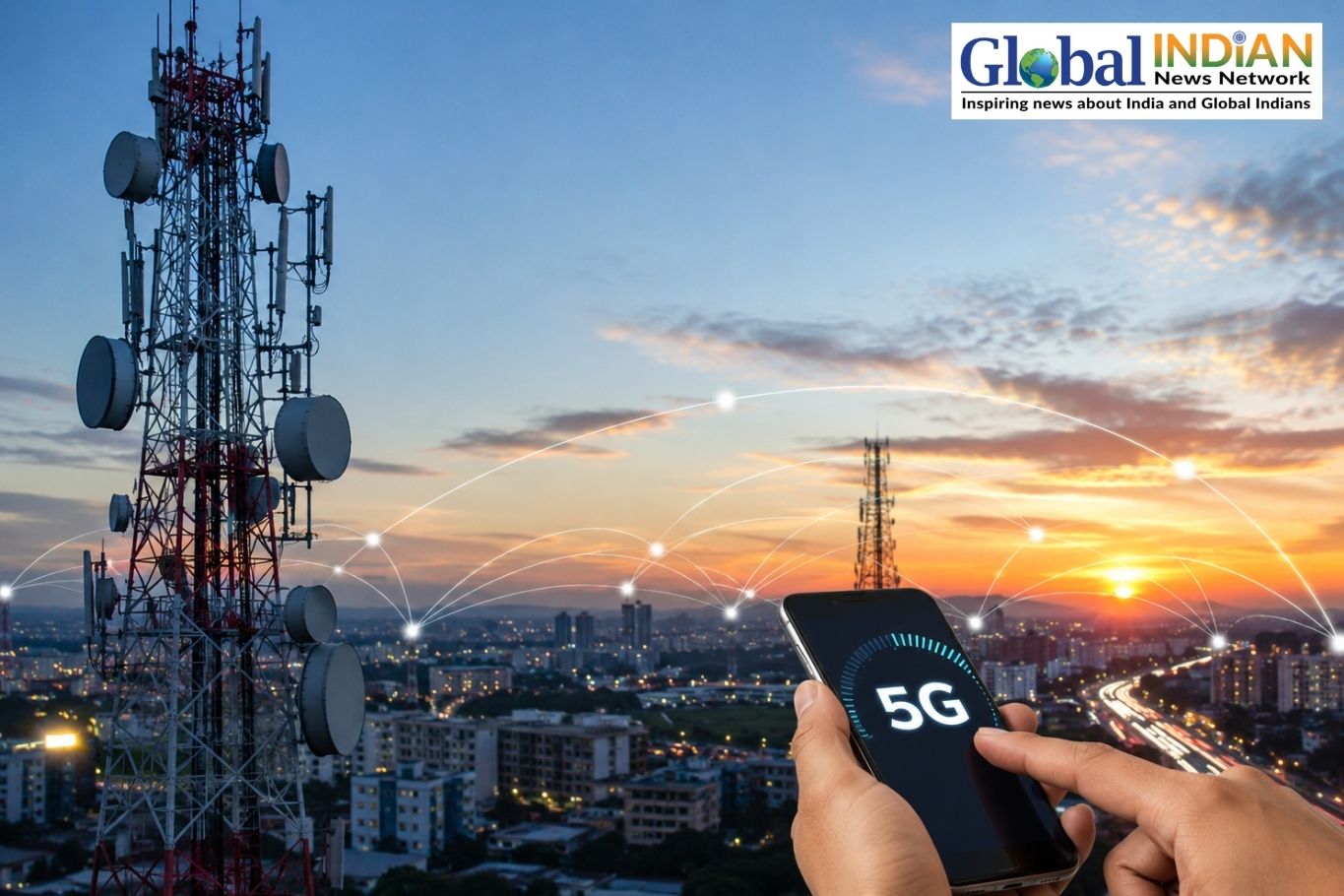
Mobile connectivity remained the dominant part of India’s telecom ecosystem. Active wireless subscribers stood at about 1.204 billion based on the peak Visitor Location Register, or VLR, count recorded during July. Meanwhile, wireless connections, including mobile and fixed wireless access, rose from 1.300 billion to 1.306 billion.
The country’s wireline segment also posted modest growth. Fixed-line subscribers increased from 47.82 million in June to 48.01 million in July, indicating continued demand for fixed connectivity alongside India’s much larger mobile market.
Broadband services recorded a stronger monthly increase. India’s broadband subscriber base expanded from 1.088 billion to 1.094 billion, representing growth of 0.64% during the month.
Reliance Jio remained the largest broadband service provider, with approximately 535.12 million subscribers. Bharti Airtel followed with 384.23 million. Together with the other leading providers, the five largest broadband companies accounted for 98.59% of the market, highlighting the highly concentrated nature of India’s broadband industry.
Machine-to-machine, or M2M, cellular connections also increased during July. The number of such connections grew from 134.73 million to 137.70 million. Bharti Airtel held the largest share of this segment, accounting for 61.33% of M2M cellular mobile connections.
TRAI’s figures also show a substantial difference between connectivity levels in urban and rural areas. Urban tele-density stood at 154.12%, while rural tele-density was considerably lower at 61.05%, underscoring the continuing digital connectivity gap between the two segments.
Among individual Licensed Service Areas, Delhi recorded the highest overall tele-density at 368.33%. Bihar registered the lowest figure at 64.19%.
Mobile users also continued to make use of number portability services, with 15.98 million subscribers submitting Mobile Number Portability requests during July. Of these, 8.89 million requests came from Zone-I and another 7.09 million from Zone-II.
The latest figures highlight the continued expansion of India’s digital communications infrastructure, supported by rising broadband adoption, wireless connectivity and the growing use of connected devices.