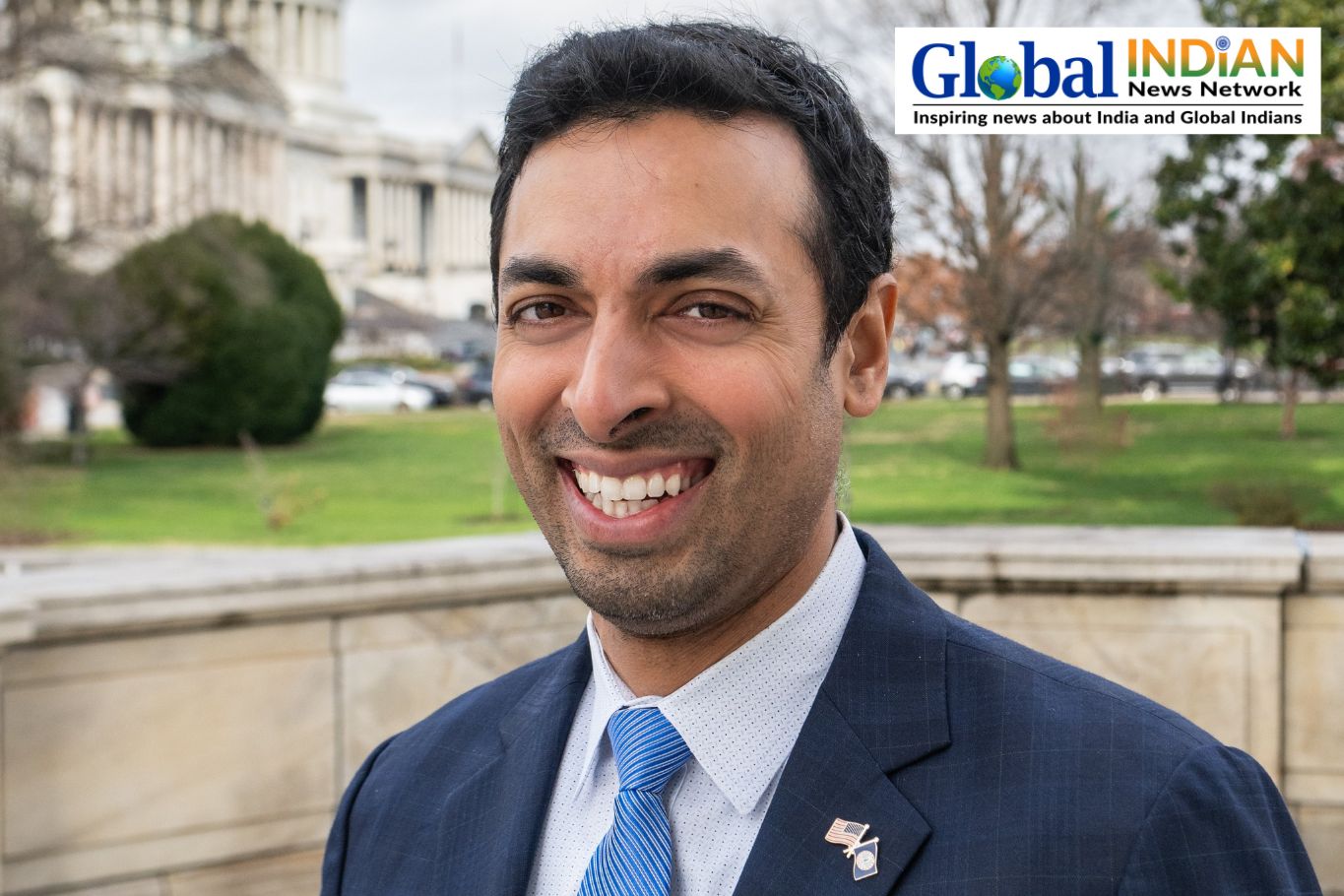
Indian American Representative Suhas Subramanyam has joined fellow lawmaker Dave Min in introducing the Pardon Transparency and Accountability Act of 2026, a bill designed to bring greater oversight and openness to the US presidential clemency process.
The proposed legislation seeks to establish stronger safeguards around presidential pardons and commutations by requiring more detailed explanations and increased public accountability. The bill has been introduced in the House of Representatives and serves as a companion measure to Senate Bill S.256, introduced by Senator Richard Blumenthal.
Subramanyam, who represents Virginia, said the presidential pardon system needs additional protections to prevent potential misuse. He emphasized that clemency decisions should be based on principles of justice rather than political connections or personal influence.
Representative Dave Min of California also supported the legislation, arguing that Americans deserve more transparency about the factors behind presidential pardon decisions. He said the bill would help ensure that executive clemency serves the interests of fairness and justice.
Under the proposed law, the president would be required to provide a written explanation whenever granting executive clemency. The legislation would also direct the Justice Department’s Office of the Pardon Attorney to prepare a Justice Impact Statement for each clemency decision. The statement would evaluate how a pardon or commutation could affect ongoing investigations, prosecutions, or broader law enforcement efforts.
The bill includes additional measures aimed at protecting crime victims by ensuring they are informed before a clemency decision is finalized and are given an opportunity to share their views. It would also require the Pardon Attorney to receive information about potential pardons and sentence reductions at an earlier stage.
Another major provision focuses on increasing disclosure requirements related to lobbying efforts connected with presidential clemency. Supporters believe these changes would reduce the possibility of hidden influence and create a more transparent decision-making process.
The introduction of the legislation highlights ongoing discussions in the United States over presidential authority and the need for accountability in the use of executive powers. For Indian American communities, Subramanyam’s involvement reflects the growing participation of Indian American leaders in shaping national policy debates.
If passed, the bill could bring significant changes to how presidential pardons are reviewed, documented, and communicated to the public. The proposal now moves forward through the legislative process, where lawmakers will debate its potential impact on the country’s clemency system.