The growing political influence of Indian Americans in the United States gained fresh momentum following the November 2026 midterm elections, with Indian American Impact playing a significant role in supporting candidates and mobilising voters.
The organisation invested and mobilised more than $2.3 million during the election cycle, endorsing 57 candidates across different levels of government. As of November 13, 47 had won, one race was heading for a runoff and four remained too close to call.
Among the major victories was Nithya Raman’s election as mayor-elect of Los Angeles after defeating incumbent Karen Bass. She is set to become the first South Asian American to lead the nation’s second-largest city.
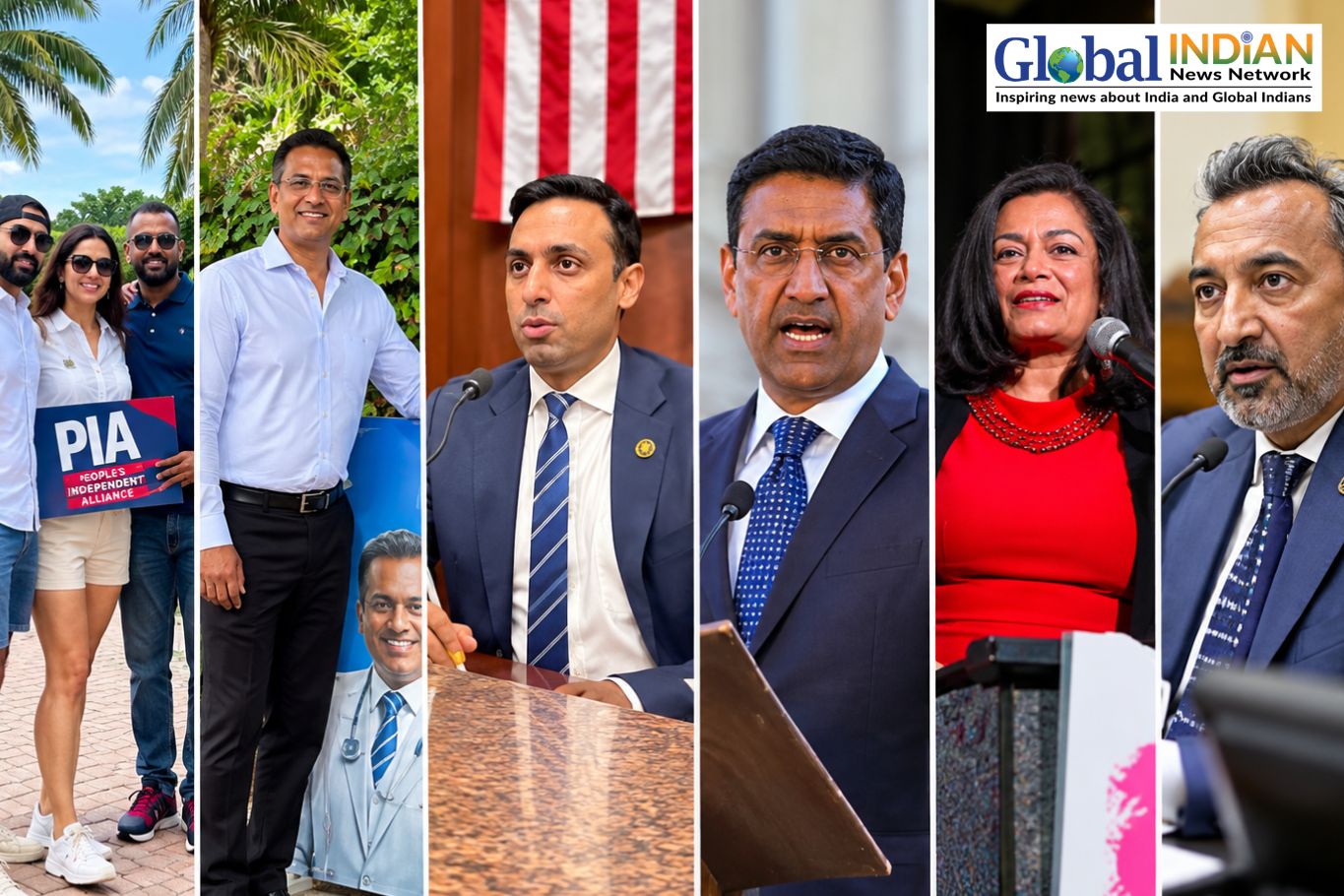
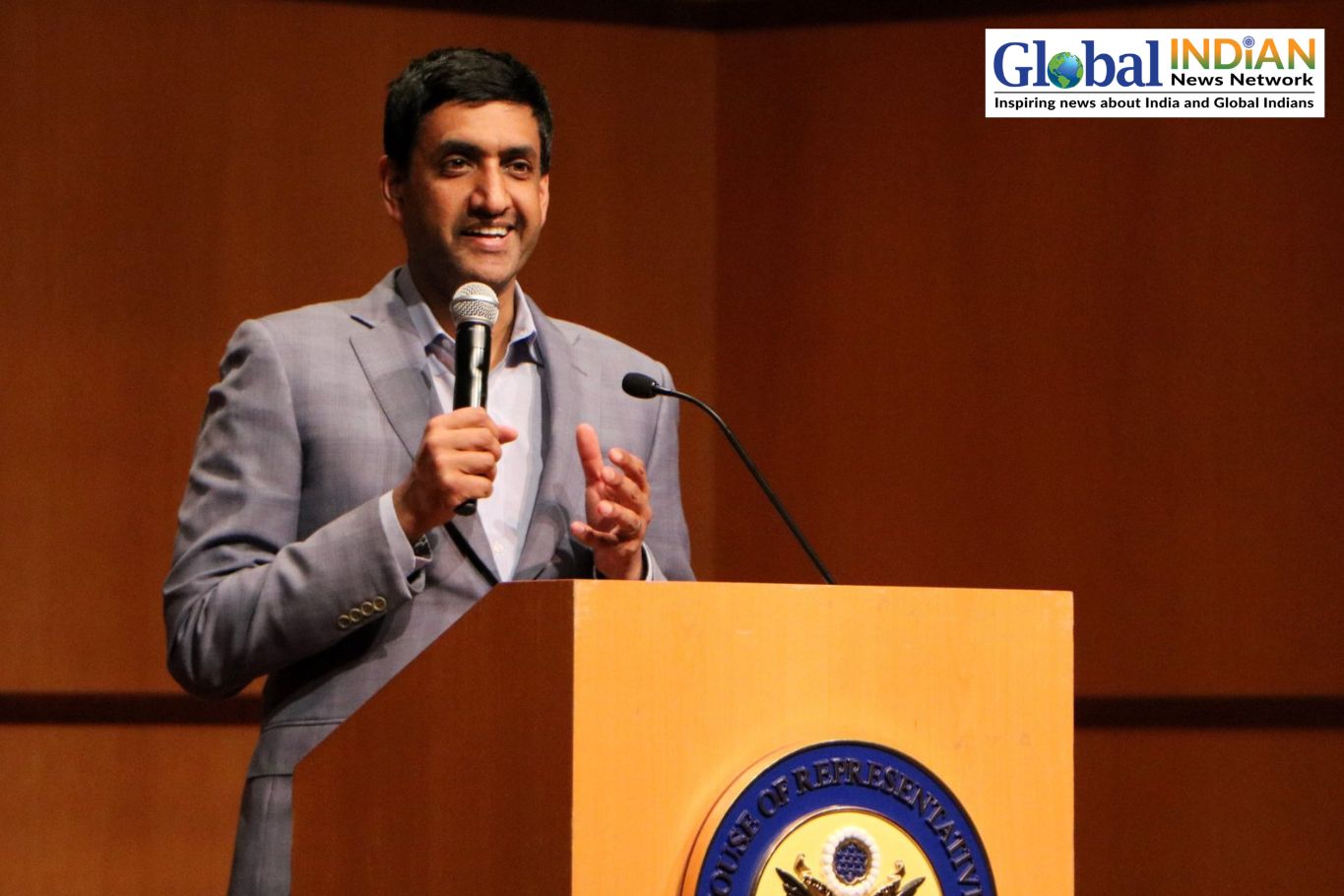
The organisation also supported the election of two new Indian American members of Congress, Dr Amish Shah from Arizona and Pia Dandiya from Florida. Four other endorsed lawmakers, Ami Bera, Pramila Jayapal, Ro Khanna and Suhas Subramanyam, secured re-election.
Indian Americans also made significant gains in state legislatures. Priya Sundareshan became Arizona Senate president-elect, while Ranjeev Puri emerged as Michigan House speaker-elect. Pooja Sethi became the first Indian American woman elected to the Texas legislature, and Jyot Singh became the first Sikh American elected to the Georgia legislature.
Indian American Impact executive director Chintan Patel said the victories reflected the growing political strength of South Asian communities. He highlighted priorities including reducing costs for working families, expanding healthcare access and protecting immigrant communities.
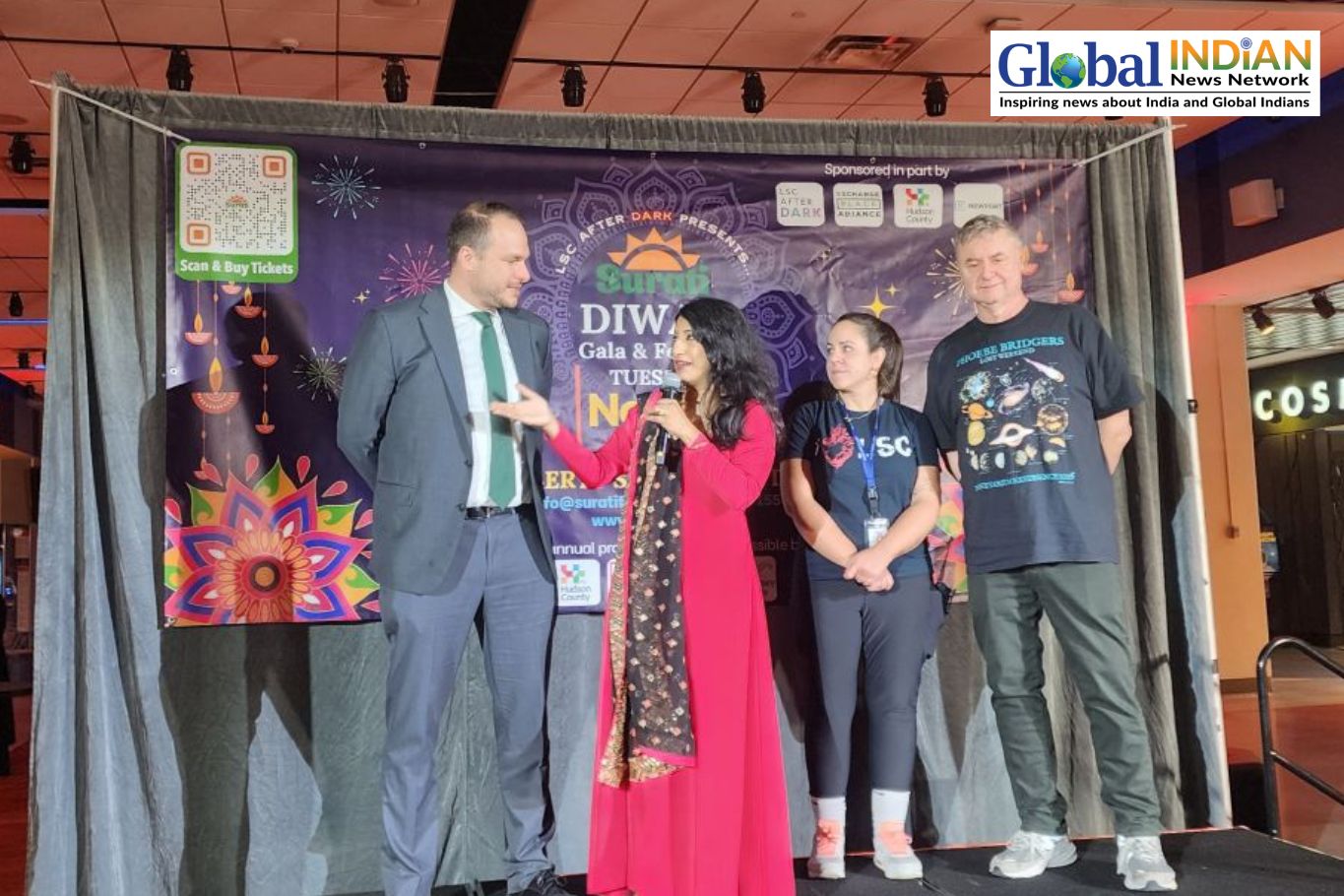
The organisation focused its voter mobilisation efforts on Texas, North Carolina, Georgia and Michigan, using door-to-door campaigns, phone banking and text-message outreach. In Michigan, it also organised a Diwali Light Up the Vote rally featuring prominent elected representatives.
A nationwide survey commissioned by the organisation found that 60 per cent of South Asian respondents intended to vote Democratic in congressional elections, while 16 per cent remained undecided. The survey also indicated that one-quarter of South Asian voters who supported Donald Trump in 2024 planned to vote Democratic in 2026.
Meanwhile, regional political networks are also contributing to greater Indian American participation. In Texas, Dr Roopa Gir, founder of the Indian-American Public Affairs Council (IAPAC), has worked to strengthen political engagement in the Greater Houston area by connecting community members with elected representatives and candidates.
In Florida, businessman and political fundraiser Danny Gaekwad has built connections within Republican circles and supported candidates across party lines. A prominent supporter of Governor Ron DeSantis, he has used his business and community networks to encourage Indian American political participation.
The election results highlight how Indian Americans are increasingly moving beyond traditional voter participation to become candidates, fundraisers, campaign organisers and elected representatives. National organisations and regional political networks are helping strengthen the community’s presence in America’s political landscape.