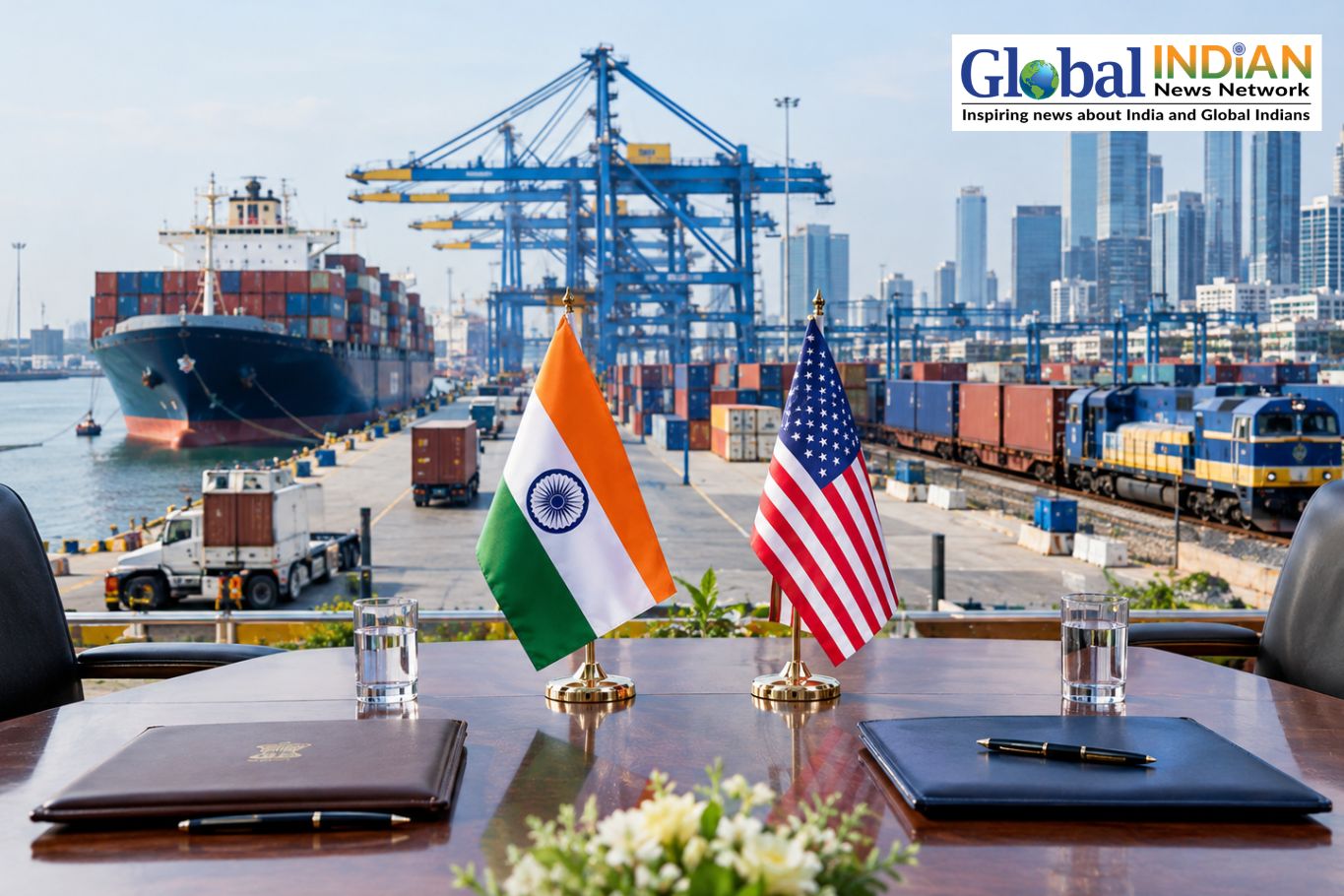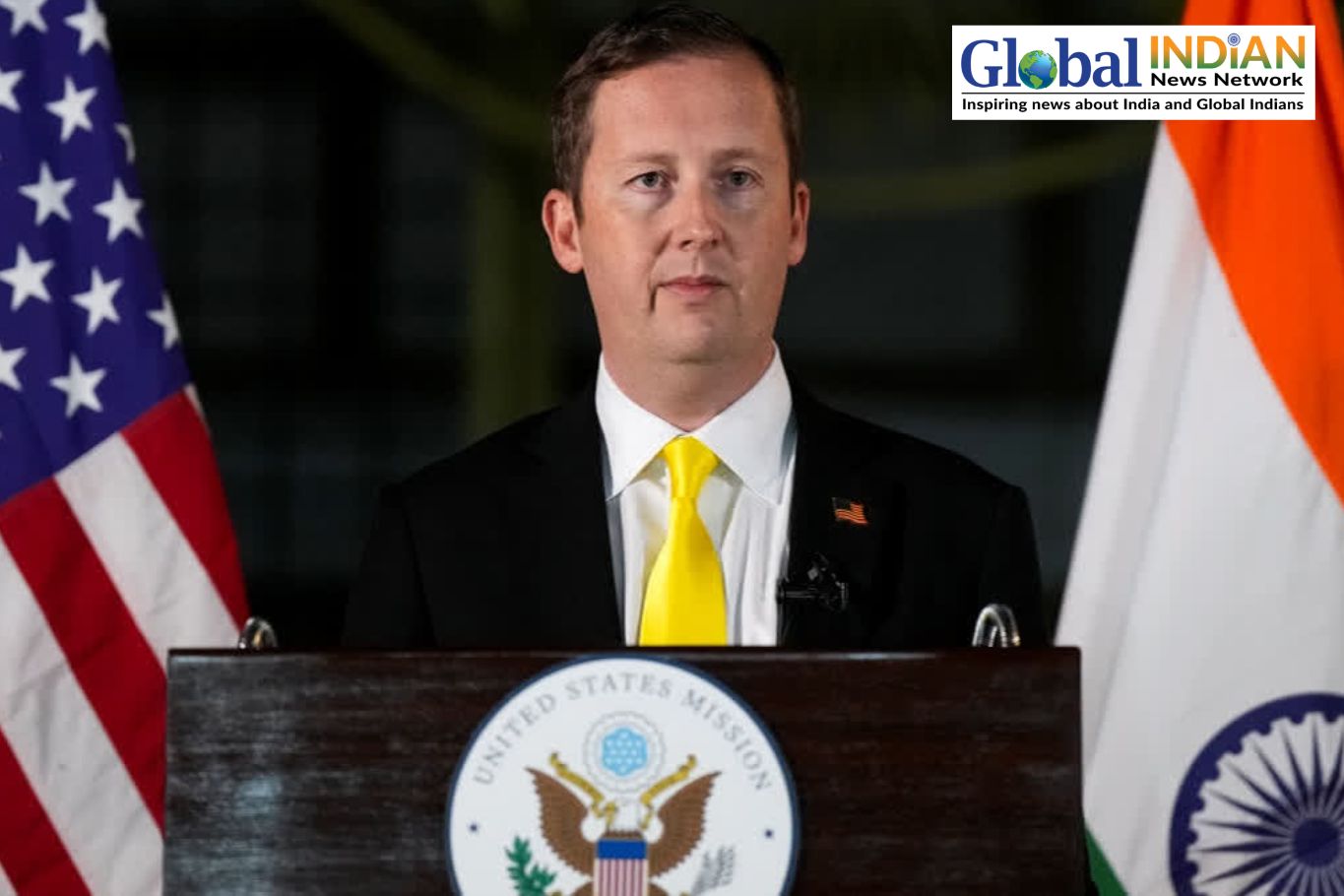
India and the United States are moving closer to finalising a bilateral trade agreement, with most major issues reportedly resolved and discussions continuing on outstanding details. US Ambassador to India Sergio Gor has expressed optimism that the two countries could conclude the negotiations soon.
Speaking at the Bloomberg New Economy Forum in New Delhi, Gor said the broader framework of the proposed agreement had been established, with the remaining discussions focusing on specific products and tariff arrangements. His remarks indicate progress in efforts to strengthen economic ties between the two countries.
The ambassador described the negotiations as moving at an unusually fast pace for a trade agreement involving two major economies. Discussions have advanced to detailed commercial issues, with senior officials, including US Trade Representative Jamieson Greer and India’s Commerce and Industry Minister Piyush Goyal, involved in the process.
Despite the complexity of aligning the trade priorities of both countries, Gor said the negotiations were approaching their final stage. However, the agreement’s formal conclusion will depend on resolving the remaining issues and securing the necessary decisions from both governments.
A trade pact could create new opportunities for businesses in India and the United States by strengthening commercial links, improving market access and providing greater clarity for investors. The final benefits will depend on the terms agreed upon, particularly those relating to tariffs and trade in specific product categories.
Beyond trade negotiations, Gor highlighted the growing strategic partnership between India and the United States. He identified artificial intelligence, advanced technology, clean energy and civil nuclear cooperation as important areas for deeper collaboration.
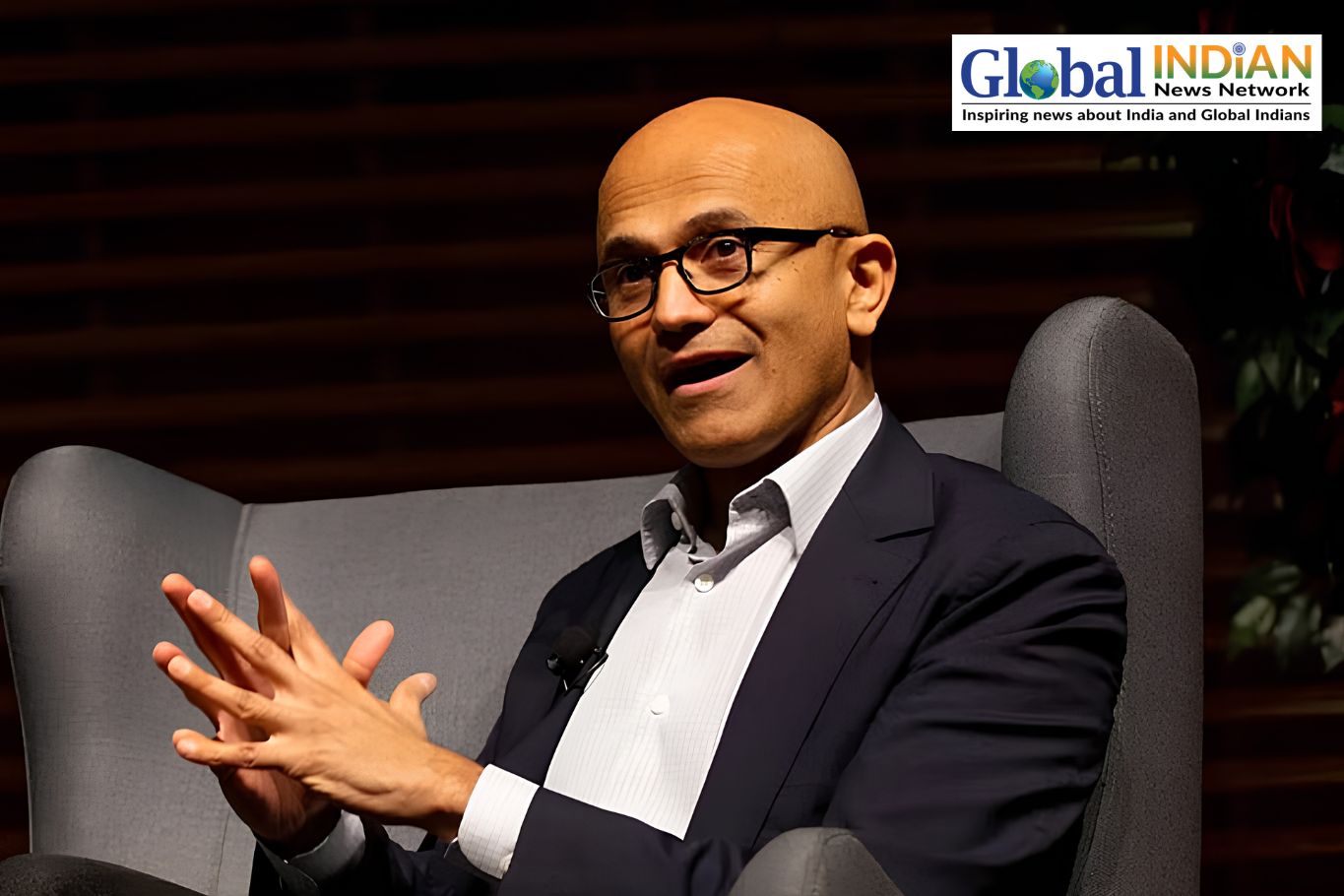
The ambassador also pointed to investments by major American technology companies, including Google, Microsoft, Adobe and Micron, in India. These investments reflect the growing importance of the Indian market for US businesses and the potential for cooperation in technology development, manufacturing and employment generation.
Stronger economic engagement could also help both countries expand supply chains, encourage innovation and create new opportunities for businesses seeking to operate across international markets.
Gor also emphasised the importance of defence cooperation in the wider bilateral relationship. He noted that India conducts more military exercises with the United States than with any other country, highlighting joint drills and the participation of F-35 fighter aircraft in exercises in India as signs of growing military engagement.
Defence collaboration, alongside technology and economic cooperation, has become an important element of the relationship between the two countries. Both sides continue to explore opportunities to strengthen strategic coordination amid evolving regional and global challenges.
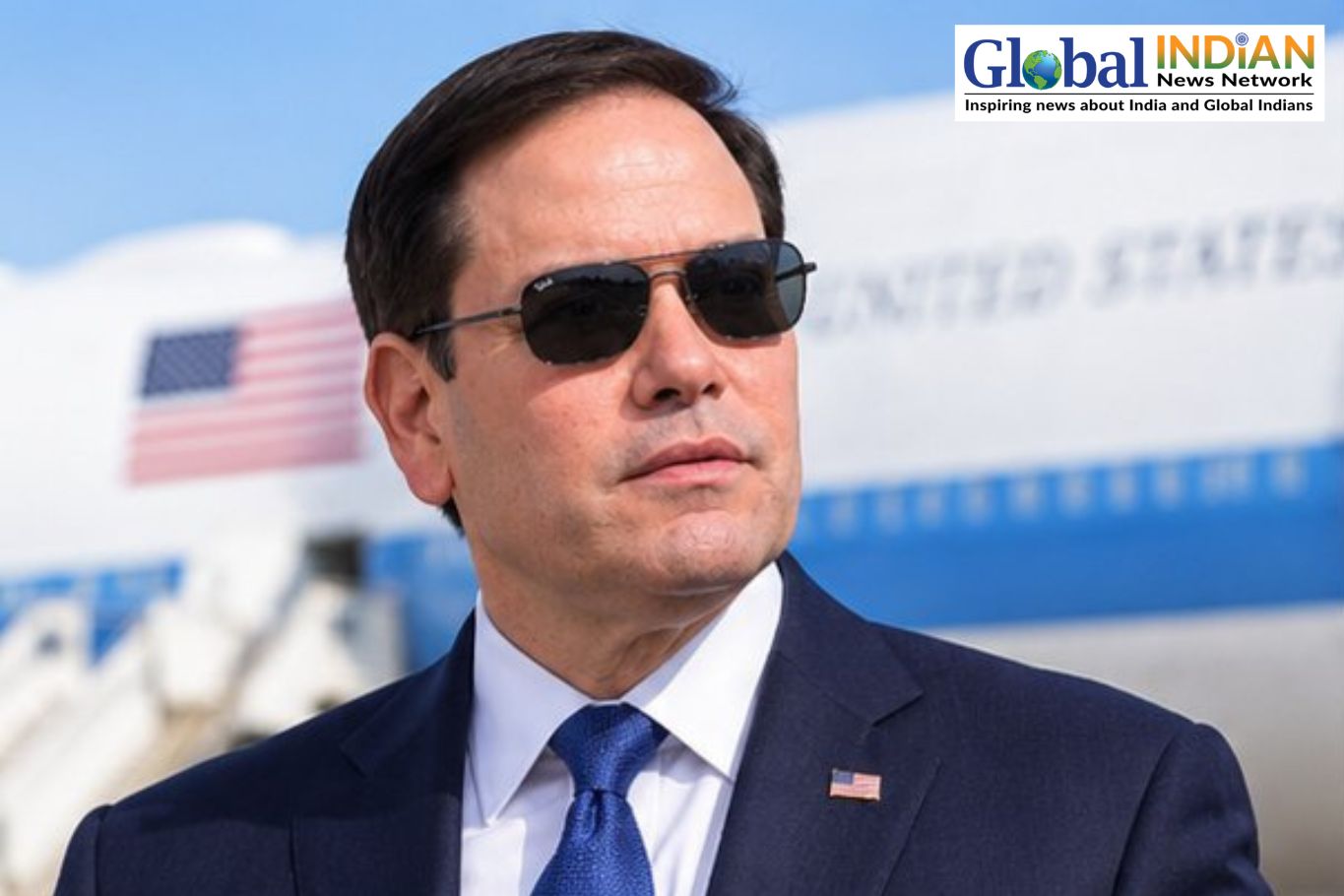
The ambassador announced that US Secretary of State Marco Rubio would visit India, with engagements planned in Mumbai and Jamnagar. Trade, investment and commercial cooperation are expected to feature prominently in the discussions.
The visit could provide another opportunity for the two governments to review bilateral priorities and strengthen engagement on economic and strategic matters. Its significance comes at a time when negotiations over the proposed trade agreement are drawing considerable attention from businesses and policymakers.
Addressing concerns about proposed US sanctions connected to Russia, Gor said the measures were intended to help bring the conflict to an end rather than target any particular country. He added that discussions on the issue were continuing and that the US administration would make decisions in the coming days.
The issue remains relevant to the broader relationship, given the countries’ differing interests and approaches to international affairs.
The reported progress in trade negotiations has raised expectations of a stronger economic partnership between India and the United States. With the broader framework described as largely settled, attention is now turning to the remaining tariff and product-specific discussions.
A successfully concluded agreement could provide fresh momentum to bilateral trade and investment, potentially opening additional opportunities for exporters, manufacturers and technology companies in both markets.
However, the final impact will depend on the agreement’s detailed provisions and how effectively both countries implement their commitments. Until the terms are formally announced, key questions surrounding market access, tariffs and sector-specific benefits remain open.
The latest developments underline the growing importance of India-US economic relations, with trade, technology, investment and defence cooperation increasingly shaping the partnership. The coming negotiations and official announcements will determine whether the current momentum translates into a completed trade agreement.