

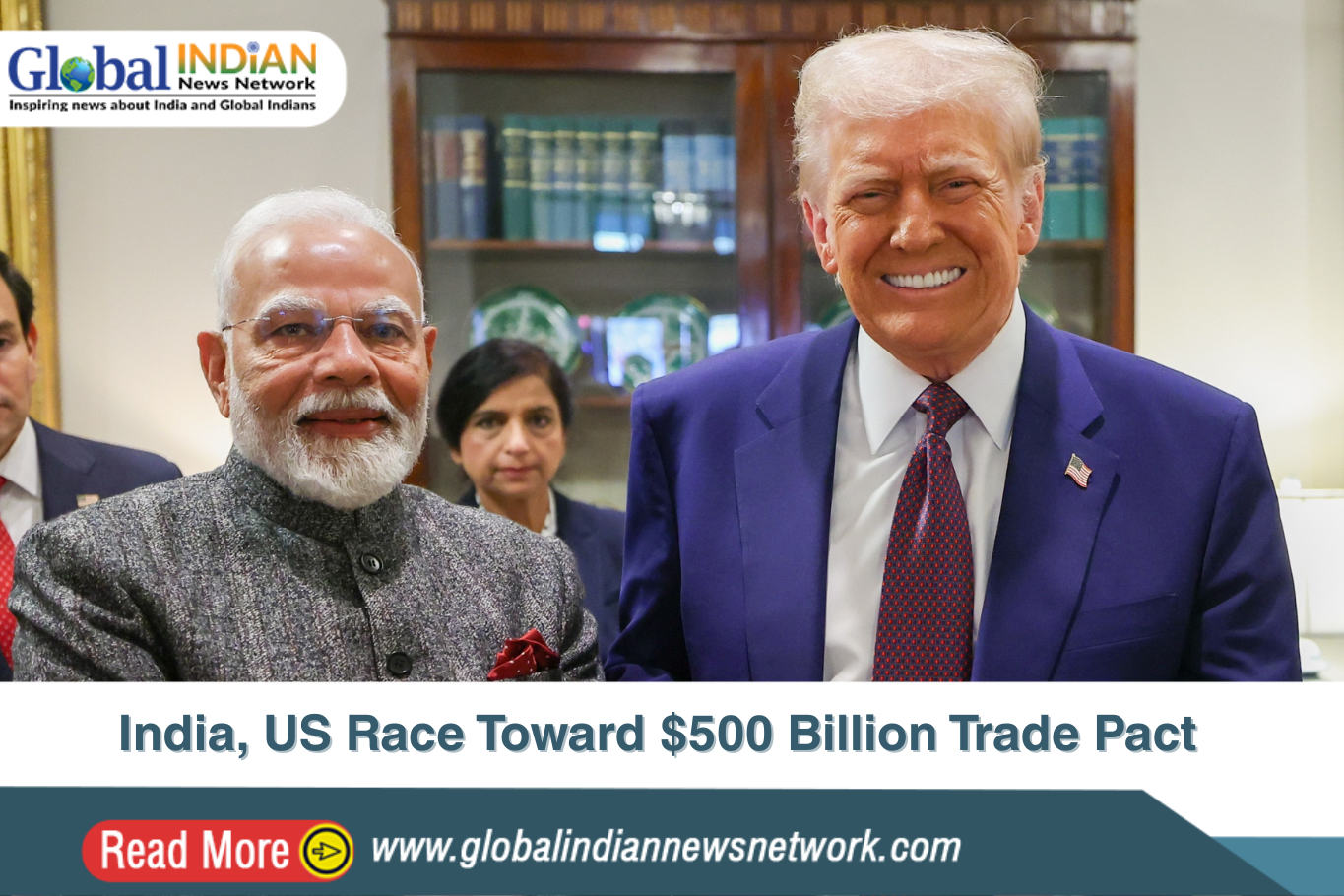
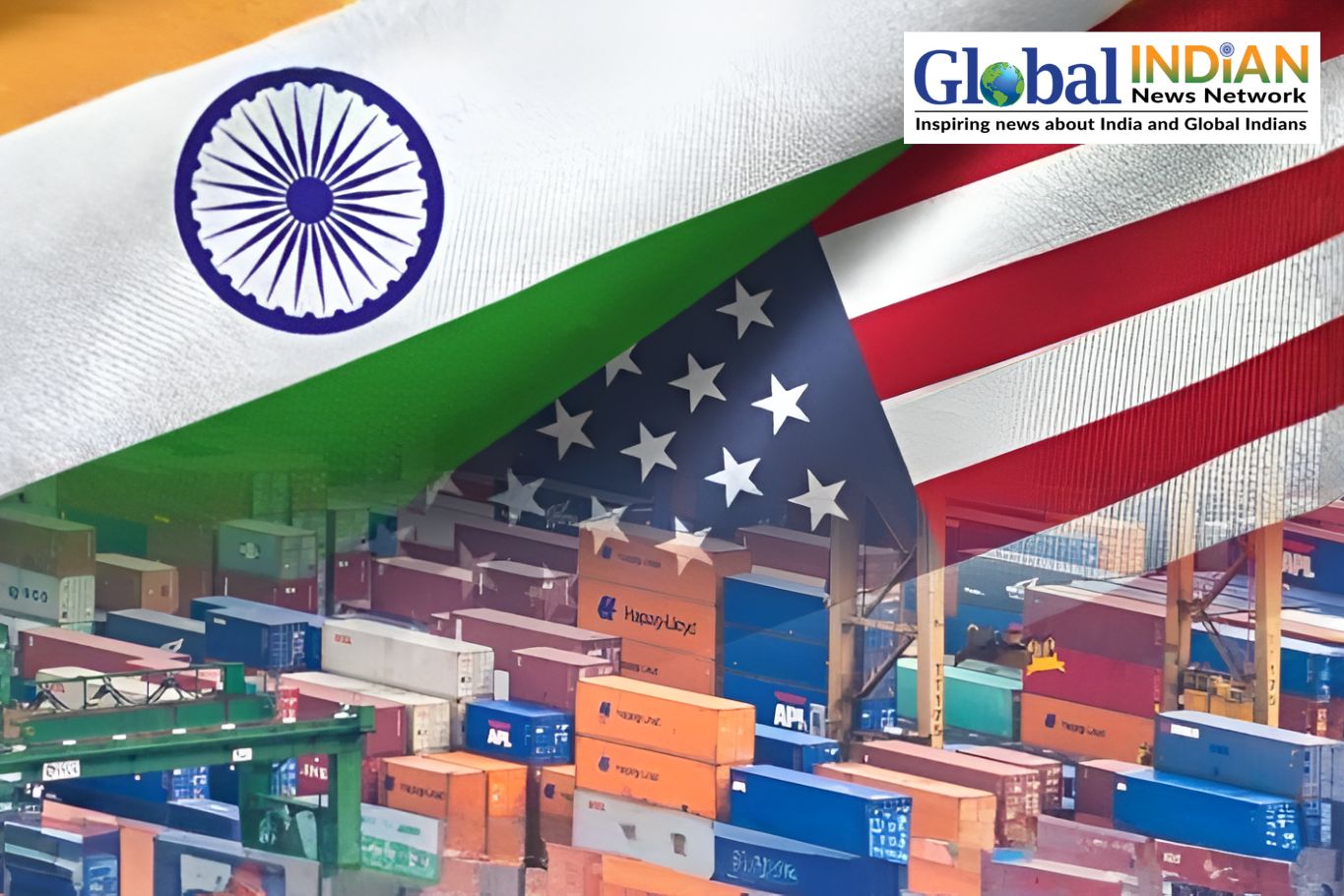
 As a crucial tariff window approaches, India and the United States are making urgent diplomatic efforts to finalize an interim trade agreement. This limited-scope deal could lay the groundwork for a broader economic relationship targeting $500 billion in bilateral trade by 2030. Following four days of intensive, behind-closed-doors negotiations in New Delhi, officials from both nations have expressed optimism over the progress made.
The negotiation teams, led by India’s Rajesh Agrawal and representatives from the Office of the US Trade Representative (USTR), made headway in several critical areas. Their talks revolved around reducing tariff barriers, improving market access for key agricultural and industrial goods, and smoothing out non-tariff trade restrictions.
Government sources described the latest round of discussions as among the most constructive so far, noting that early wins could be secured soon. One area that gained significant attention was digital trade. Both parties explored ways to improve customs protocols and streamline cross-border trade processes.
However, several challenges persist. India resisted US pressure to open its domestic market to imports like wheat, corn, and dairy products. Instead, it offered to cut tariffs on high-value American items such as pistachios, walnuts, and almonds. New Delhi also pushed Washington to revoke a 10% baseline tariff dating back to the Trump administration—an appeal the US rejected, citing equal application of the tariff to allies like the United Kingdom.
Steel tariffs remain a point of contention. India is seeking relief from the 50% duty on its steel exports. In exchange, it has proposed increasing imports of American energy resources, including liquefied natural gas, coal, and crude oil. There is also willingness on India’s part to boost defense purchases from the US.
With the G7 Summit approaching, a symbolic signing on the sidelines remains a strong possibility, especially as the deadline for reciprocal tariff relief nears its end. Should no deal be signed by the deadline, Indian goods like textiles and rice could face duties as high as 26%.
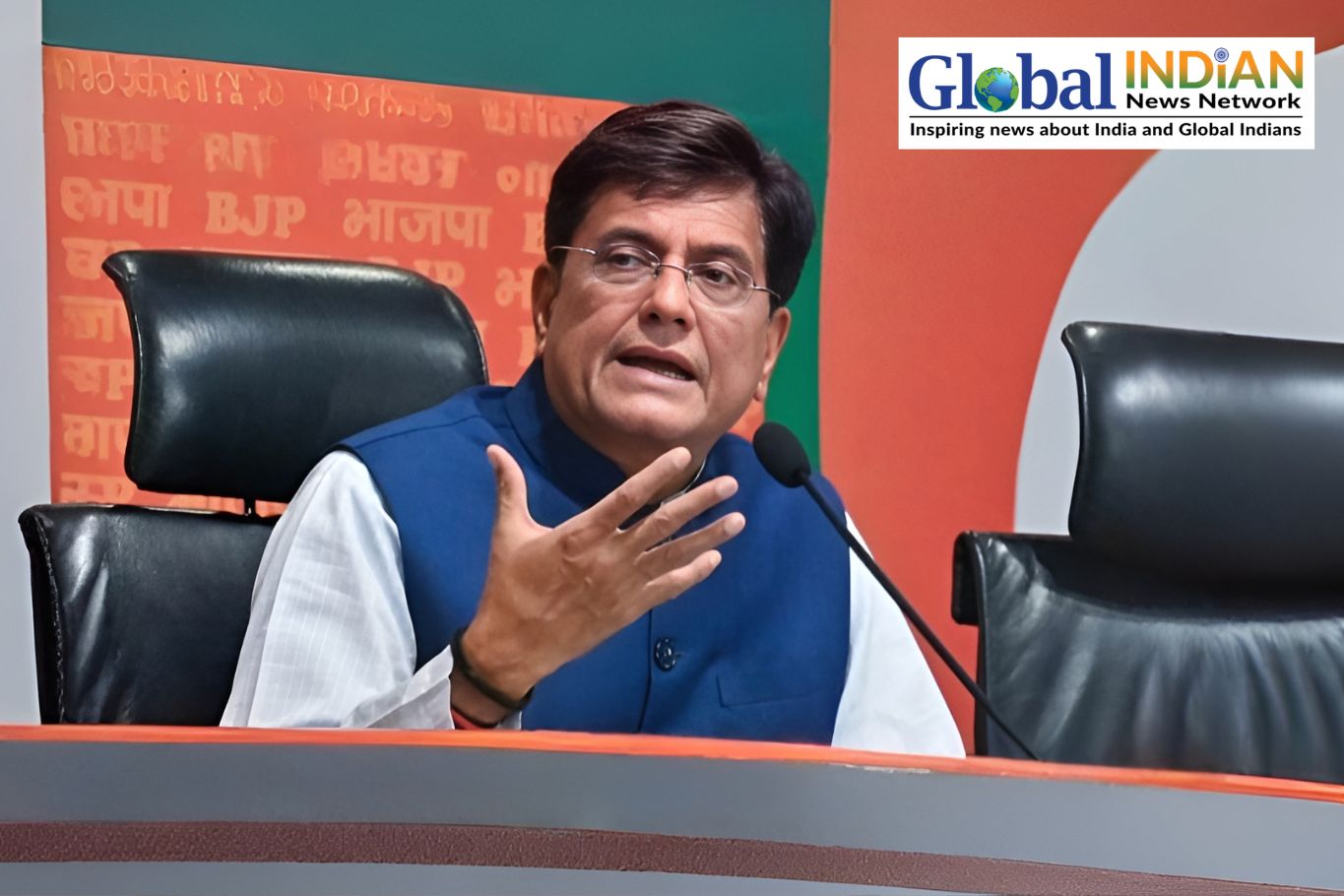
Meanwhile, Commerce Minister Piyush Goyal is concurrently negotiating a separate trade pact with the European Union. Back home, he confirmed India’s readiness to address simpler US trade issues first and defer tougher ones to future discussions. An interim agreement could be finalized as early as June, with the next phase likely by fall.












2 Comments
**neurosharp**
Neuro Sharp is a modern brain-support supplement created to help you think clearly, stay focused, and feel mentally confident throughout the day.
**heroup**
HeroUP is a premium mens wellness formula designed to support sustained energy, physical stamina, and everyday confidence.