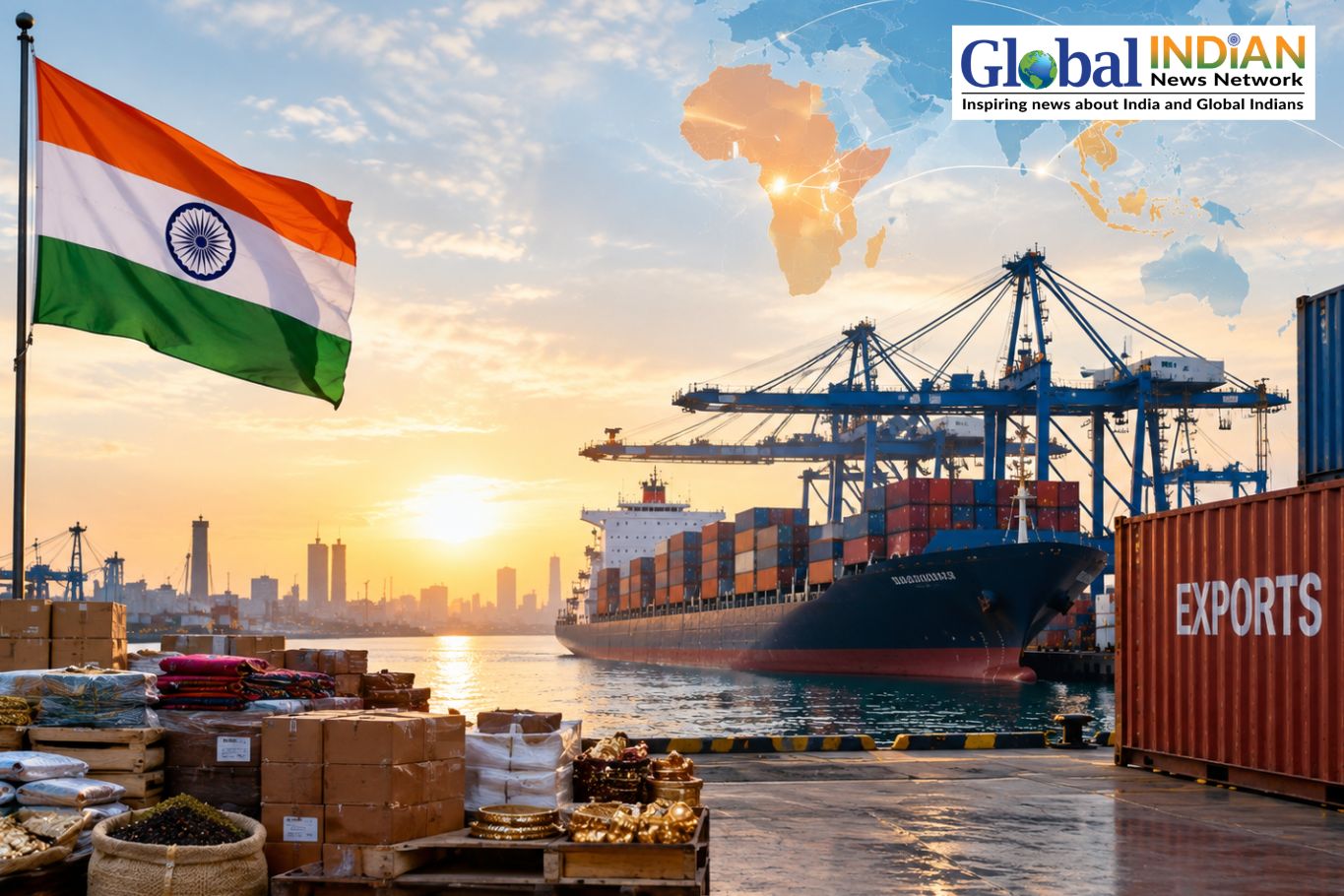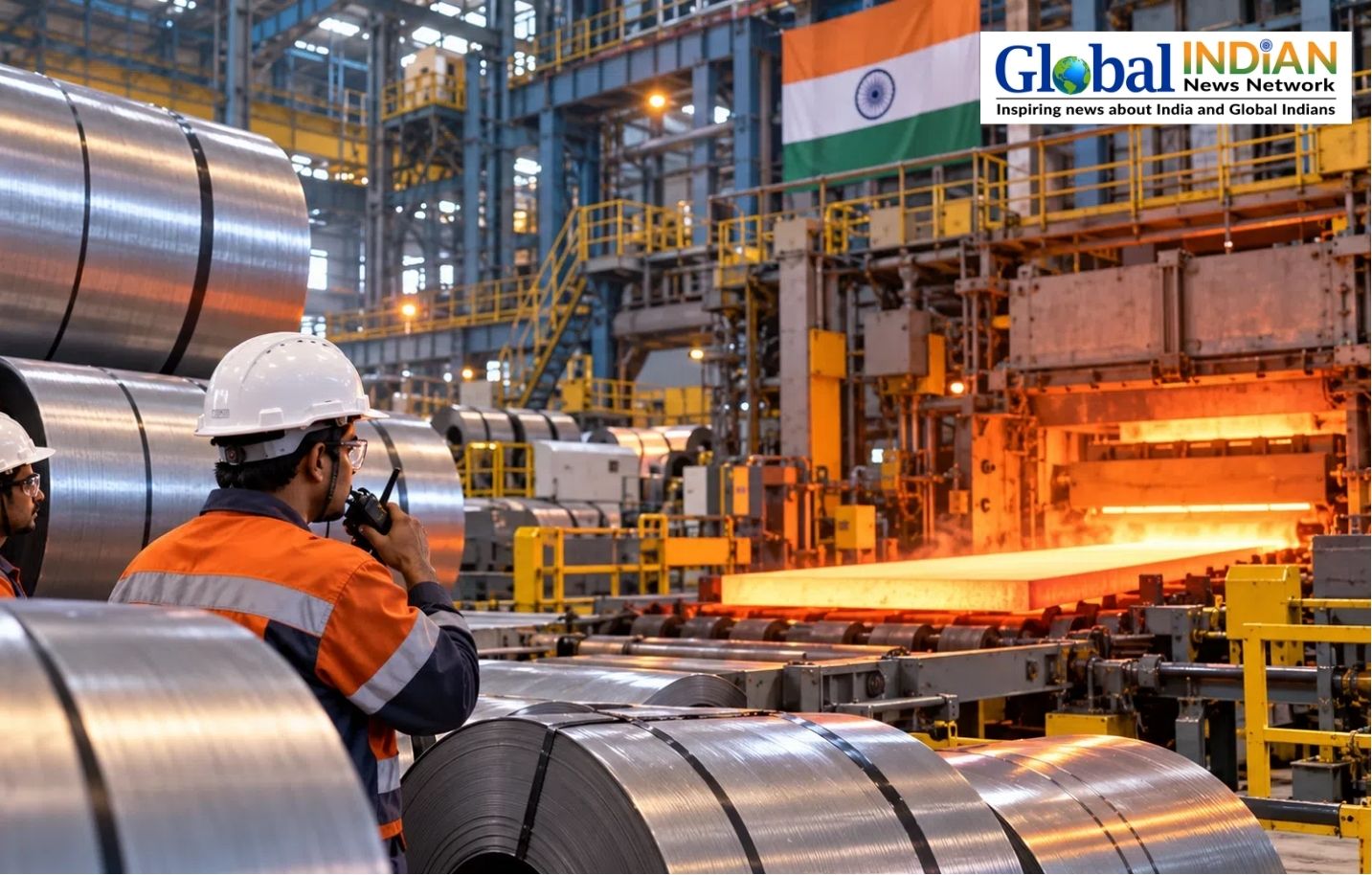
India is preparing to introduce a new National Steel Policy that will target 600 million tonnes of steelmaking capacity by 2047. Steel Secretary Sandeep Poundrik said the proposed policy is expected to be released for public consultation within about a week, allowing industry participants and other stakeholders to provide feedback.
The new framework is being developed as part of India’s longer-term development objectives for 2047. It is expected to address the competitiveness of the domestic steel industry while creating a policy framework for the sector’s expansion over the coming decades.
One area of focus will be protecting domestic producers from low-priced and sub-standard steel imports. The proposed measures could include safeguard and anti-dumping duties. At the same time, the policy is expected to support smaller steel producers by encouraging improvements in technology, production efficiency and pricing competitiveness.
The draft framework is also expected to give greater attention to green steel, specialty steel and stainless steel. Production goals are likely to be established for 2035 and 2047, alongside measures designed to encourage premium steel products and reduce dependence on imports.
Decarbonization is another major component of the proposed policy. The draft aims to reduce the steel industry’s average carbon emission intensity from around 2.54 tonnes of carbon dioxide per tonne of crude steel currently to approximately 1.54 tonnes by 2047. The proposed reduction would align with India’s broader objective of achieving net-zero emissions by 2070.
The policy is also expected to address the raw materials required to support the expansion of steel production. According to the proposed framework, India’s iron ore requirement could reach 772 million tonnes, while demand for coking coal could rise to 214 million tonnes.
To strengthen raw material security, the government is considering greater diversification of supplies through overseas assets, joint ventures and strategic engagement in international markets. Such measures are intended to reduce supply risks as domestic steel production expands.
The proposed capacity target represents a significant increase from the existing National Steel Policy 2017, which set a goal of reaching 300 million tonnes of crude steel capacity by 2030-31. The new policy is expected to provide a longer-term roadmap covering capacity expansion, imports, raw materials, advanced products and emissions reduction through 2047.