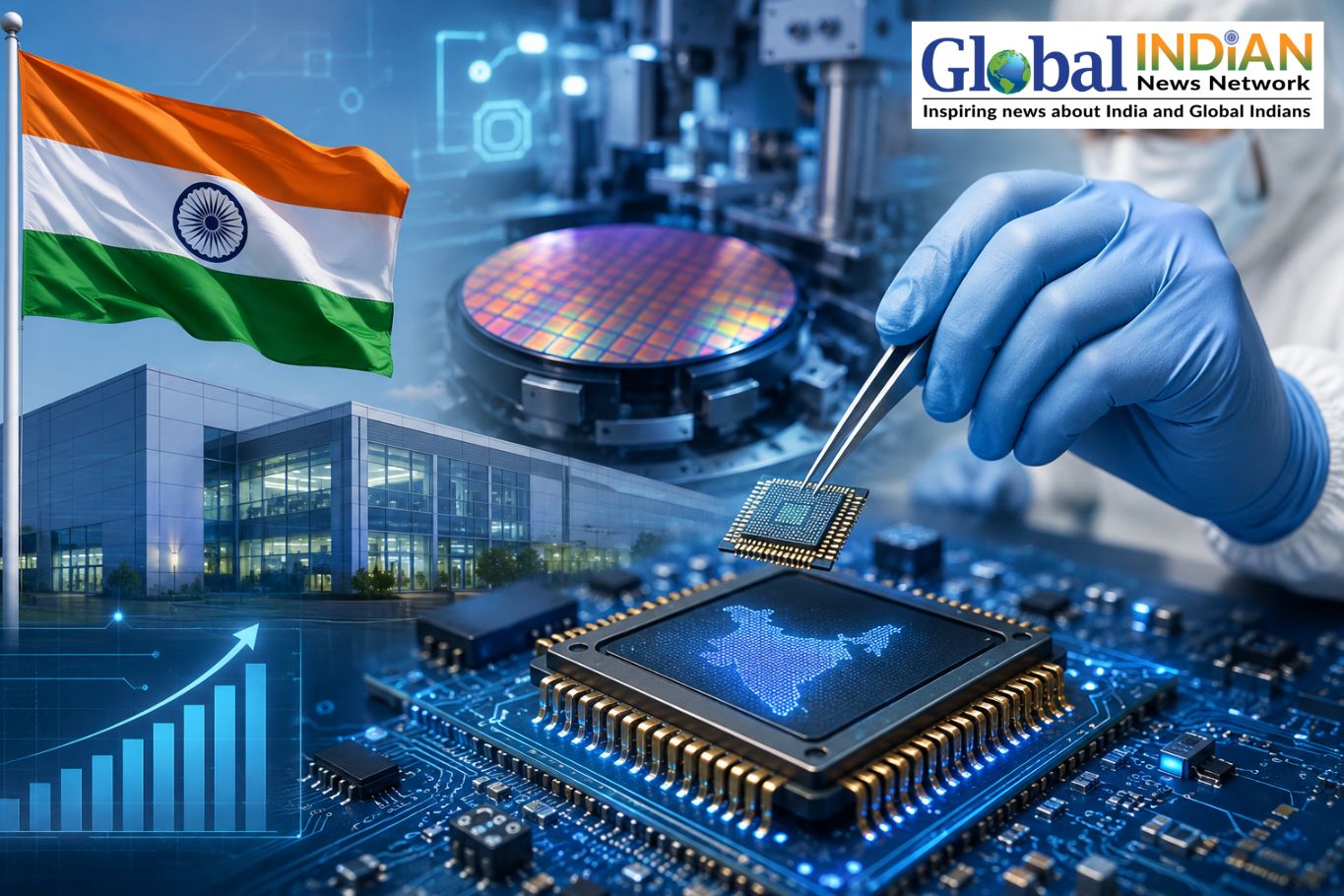
 India has moved a step closer to becoming a major player in the global semiconductor industry after the Expenditure Finance Committee approved the proposal for the India Semiconductor Mission (ISM) 2.0. Backed by an allocation of US$13.21 billion, the initiative now awaits final approval from the Union Cabinet and is expected to significantly expand the country’s semiconductor capabilities.
The funding marks a substantial increase from the US$8.03 billion allocated under the first phase of the mission. Introduced as part of the Union Budget 2026-27, ISM 2.0 is designed to build a complete semiconductor ecosystem by supporting chip manufacturing, semiconductor equipment, raw materials, indigenous intellectual property, design innovation, and resilient supply chains.
Union Minister for Electronics and Information Technology Ashwini Vaishnaw said the next phase of the mission will place strong emphasis on developing homegrown chip designs, commercializing innovative products, expanding the skilled workforce, and attracting global ecosystem partners. The broader objective is to strengthen India’s role in the international semiconductor value chain while reducing dependence on external sources.
The first phase of the semiconductor mission has already laid a solid foundation for the country’s ambitions. The government has approved 12 semiconductor manufacturing projects with a combined investment pipeline of approximately US$17.33 billion. These include one semiconductor fabrication facility, two compound semiconductor fabrication plants, and nine semiconductor packaging units aimed at expanding domestic production capacity.
India has also made progress in semiconductor design through its Design Linked Incentive Scheme. Currently, 24 design projects are receiving government support, while 105 companies have gained access to advanced chip design software and tools. Additionally, 23 chip tapeouts have been successfully completed across multiple semiconductor manufacturing facilities, highlighting the growing maturity of the country’s design ecosystem.
Commercial production is also beginning to take shape. Two semiconductor manufacturing projects have already been inaugurated, with CG Semi expected to begin operations on July 4, 2026. Several additional facilities are scheduled to become operational later this year, signaling continued momentum as India works toward establishing a competitive and self-reliant semiconductor manufacturing industry capable of serving both domestic and global markets.