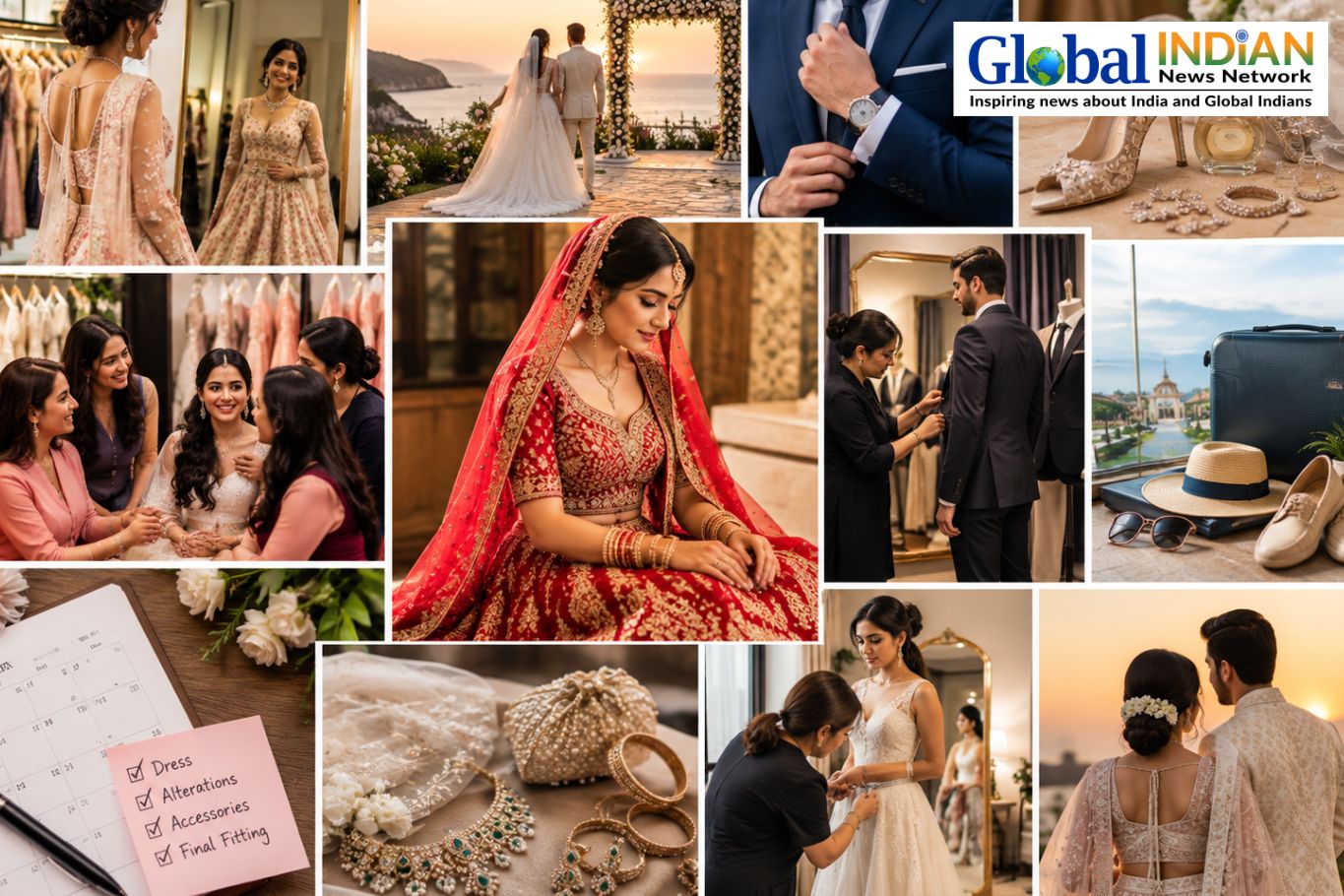
 Shopping for wedding attire is an exciting part of wedding planning, but making rushed or poorly considered choices can lead to unnecessary stress and unexpected expenses. From starting the search too late to overlooking comfort and alterations, couples can avoid many common problems with a little advance planning.
One of the biggest mistakes is waiting too long to begin shopping. Bridal gowns, customized outfits, and tailored suits can require months for ordering, fittings, and alterations. Starting early gives couples more time to explore different styles, compare options, and make adjustments without the pressure of an approaching wedding date.
It is also important to consider the wedding theme and venue when choosing an outfit. A heavily embellished gown may not be practical for a relaxed beach ceremony, while an extremely casual outfit may feel unsuitable for a formal ballroom celebration. The venue, season, dress code, and overall atmosphere should all be considered when selecting wedding attire.
Following fashion trends too closely can also result in disappointment. While modern styles can add a fresh touch, choosing an outfit simply because it is currently popular may not reflect personal taste. Wedding photographs are often treasured for years, so selecting clothing that combines personal style with timeless elements can create a more meaningful and lasting look.
Comfort should never be overlooked. Weddings often involve hours of standing, walking, dancing, and interacting with guests. When trying on outfits, couples should consider ease of movement, fabric weight, breathability, footwear, and the fit around areas such as the shoulders and waist. An outfit that looks beautiful but feels uncomfortable can affect confidence and enjoyment throughout the celebration.
Another common issue is bringing too many opinions into the shopping process. Family and friends can provide helpful feedback, but a large group may create conflicting suggestions and make decision-making difficult. Bringing a few trusted people can make appointments more focused while allowing the couple’s own preferences to remain central.
Alteration costs should also be included in the wedding attire budget. The original purchase price may not cover adjustments needed to achieve the right fit. Hem changes, sleeve modifications, waist alterations, bustle additions, and other customizations can add to the final cost. Planning for these expenses in advance helps prevent unexpected financial pressure.
Accessories should not be left until the final days before the wedding. Items such as veils, jewelry, shoes, ties, pocket squares, and hair accessories can significantly influence the overall appearance. Selecting them early makes it easier to create a coordinated look and ensures that everything works well together.
Practical needs should also influence the decision. Weather, travel, venue conditions, and cultural traditions can all affect what is suitable. Heavy fabrics may be uncomfortable during a summer celebration, while outdoor weddings may call for more practical footwear. Considering these details ensures that the outfit remains suitable throughout the event.
A final fitting is another important step that should not be skipped. Changes in measurements, unfinished alterations, or small fitting issues can become noticeable on the wedding day. Scheduling a final fitting a few weeks before the celebration gives couples time to identify and correct any remaining problems.
Above all, wedding attire should feel authentic to the person wearing it. Choosing an outfit simply because others expect it or because it is fashionable may take away from the personal significance of the occasion. The ideal wedding attire should combine style, comfort, practicality, and individuality, helping couples feel confident and comfortable as they celebrate one of the most meaningful days of their lives.