Author: Shradhanjali Mukherjee

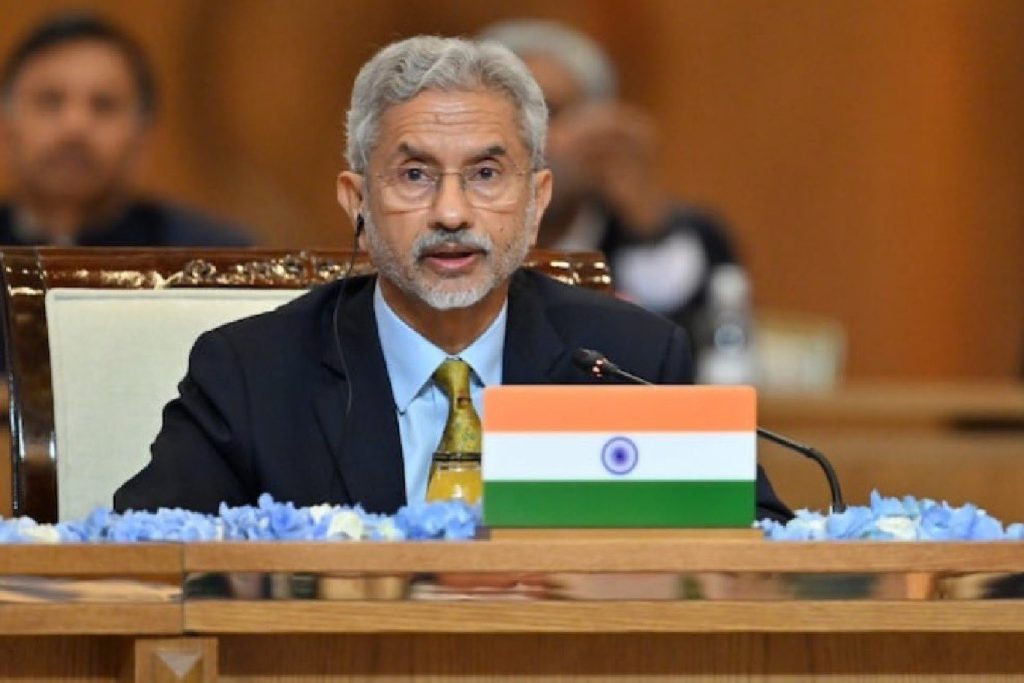
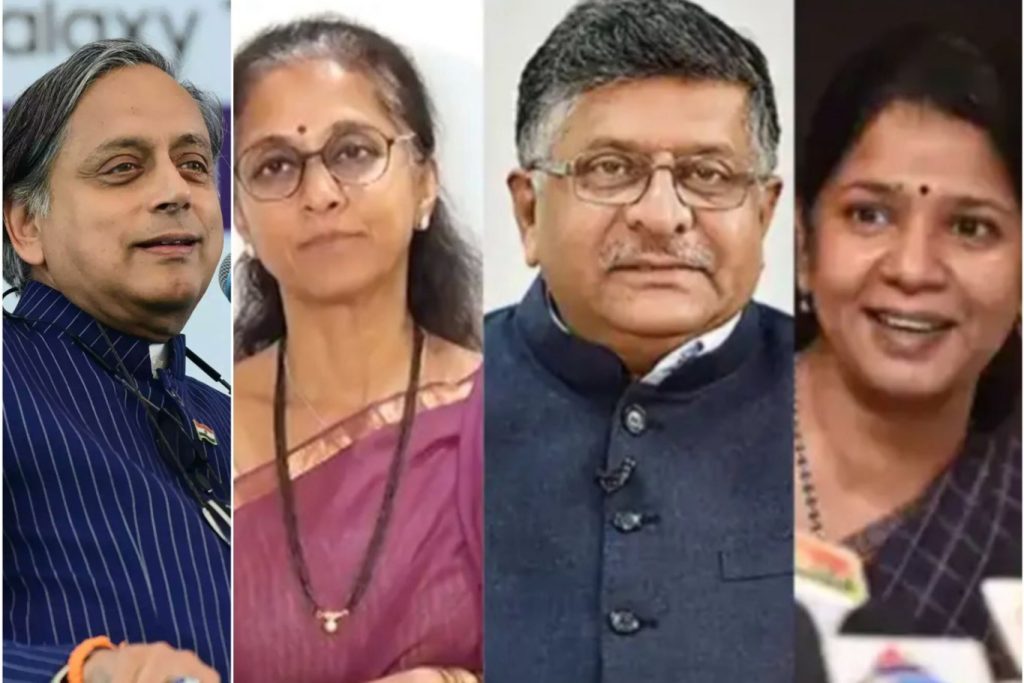
In a major diplomatic move following Operation Sindoor, the Indian government is preparing to send seven multi-party delegations of Members of Parliament (MPs) to major international capitals later this month. These teams will advocate India’s firm stand against terrorism funded and facilitated by Pakistan. The delegations, led by key political figures such as Shashi Tharoor (INC), Ravi Shankar Prasad (BJP), Sanjay Kumar Jha (JDU), Baijayant Panda (BJP), Kanimozhi Karunanidhi (DMK), Supriya Sule (NCP-SP), and Shrikant Eknath Shinde (Shiv Sena), will each include between five to eight MPs. The participating parties range across the spectrum—BJP, Congress, TMC, DMK, JDU, NCP (Sharad…
Read More

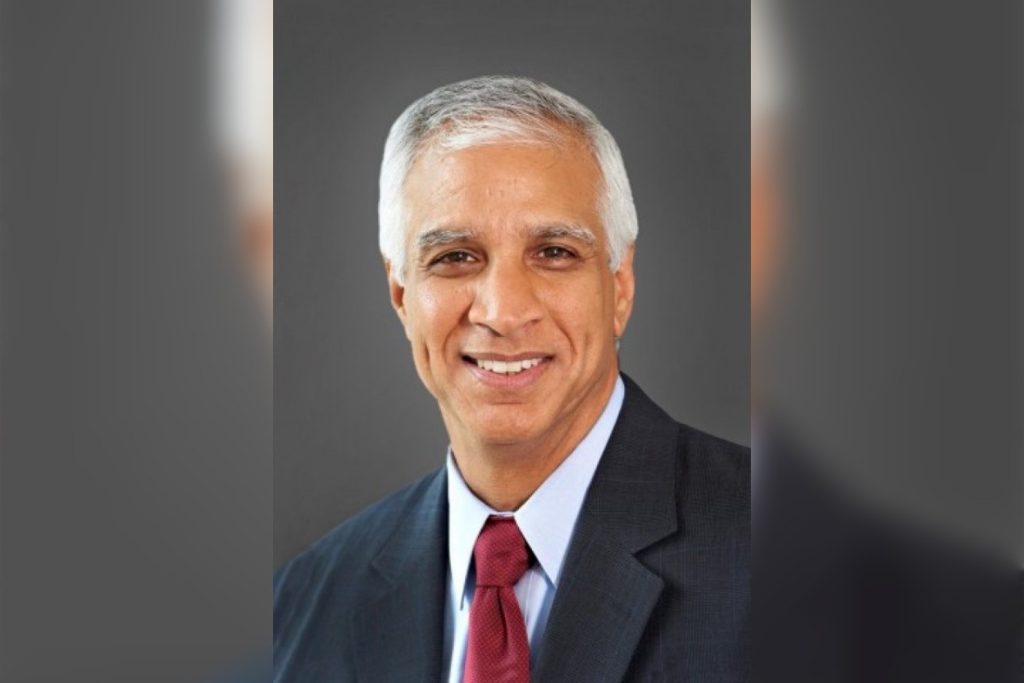
Penn State’s Board of Trustees recently announced the re-election of Naren K. Gursahaney as a representative from the business and industry sector. Gursahaney, who previously served in this distinguished role, was chosen once again by the board for his continued contributions and leadership. The Board of Trustees at Penn State consists of 38 members and includes a variety of representatives, among them six who are specifically elected to advocate for business and industry interests. These roles are staggered so that two members rotate off the board every year. In 2025, Gursahaney was reappointed for another term in recognition of his…

Read More

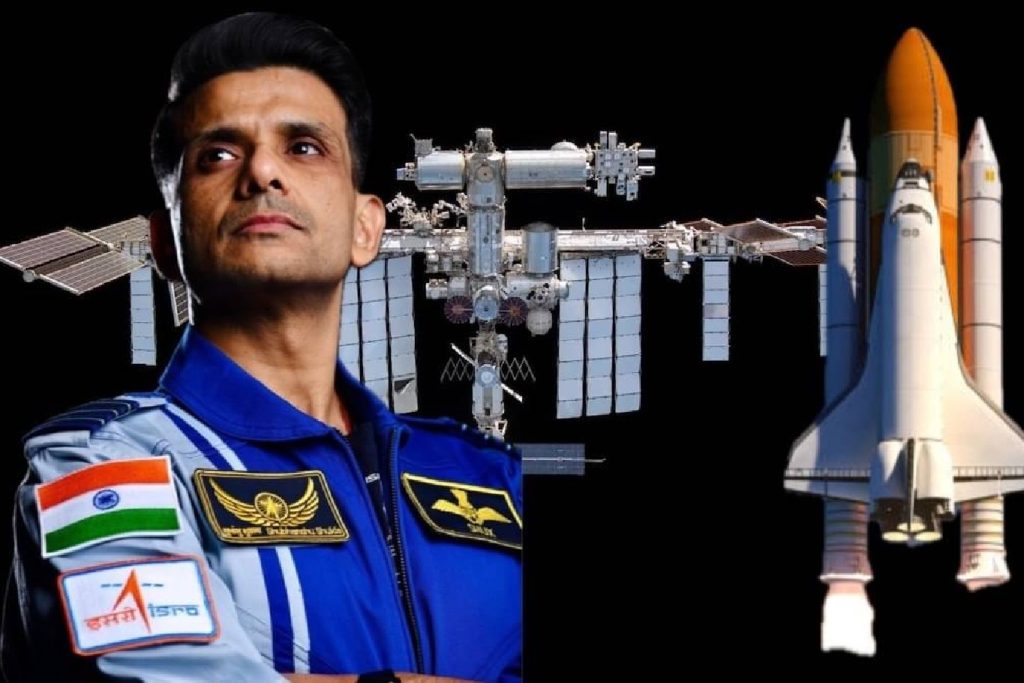
On Thursday, US-based Axiom Space announced a rescheduling of its upcoming Ax-4 mission, which will carry astronaut Shubhanshu Shukla — soon to be the first Indian to visit the International Space Station (ISS). Originally planned for launch on May 29, the mission is now set to take off on June 8 at 9:11 a.m. ET (6:41 p.m. IST) from the Kennedy Space Center in Florida, aboard a SpaceX Falcon 9 rocket. Joining Shukla on this groundbreaking journey will be veteran commander Peggy Whitson from the US, Slawosz Uznanski-Wisniewski of Poland, and Hungary’s Tibor Kapu. Shukla, who will serve as the…

Read More

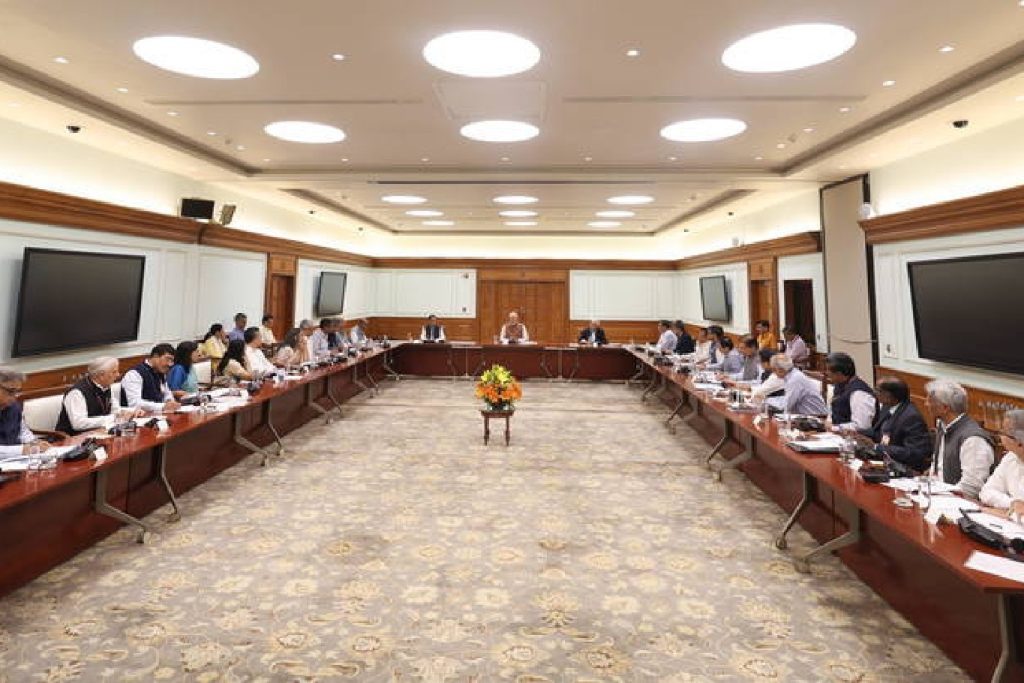
The Union Cabinet will convene today in New Delhi for its first full session under the chairmanship of Prime Minister Narendra Modi, following the de-escalation of tensions with Pakistan. The meeting comes on the heels of the successful Operation Sindoor and the ceasefire agreement announced on May 10, signaling a critical moment in shaping India’s post-conflict national strategy. The operation was launched in response to the April 22 terrorist attack in Pahalgam, which targeted tourists and triggered a swift escalation. Over the course of three intense days, the Indian Air Force carried out a series of airstrikes that reportedly decimated…

Read More

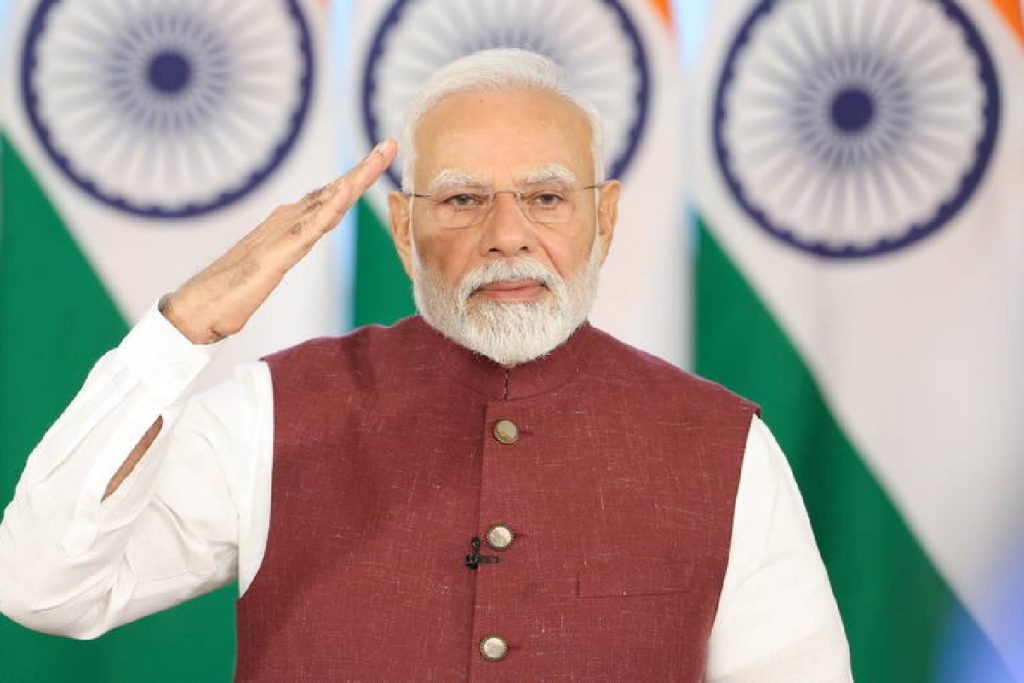
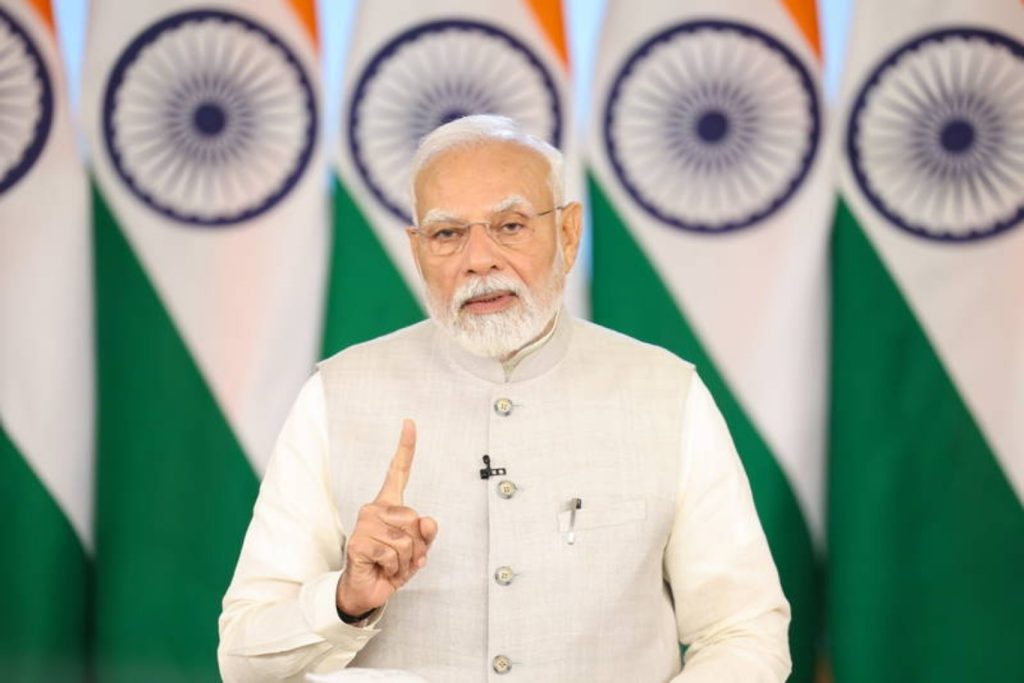
Prime Minister Narendra Modi delivered a strong message on Monday, firmly stating that India will not hold any dialogue or trade negotiations with Pakistan until the latter dismantles its terror infrastructure. Addressing the nation, PM Modi emphasized that “terror and talks” and “terror and trade” cannot go hand in hand. He declared Operation Sindoor as India’s new framework in its fight against terrorism, following earlier counterattacks like the 2016 surgical strike and the 2019 air strike. The recent offensive was launched in retaliation to the terror attack in Pahalgam, and Modi said it marked a significant evolution in India’s security…

Read More

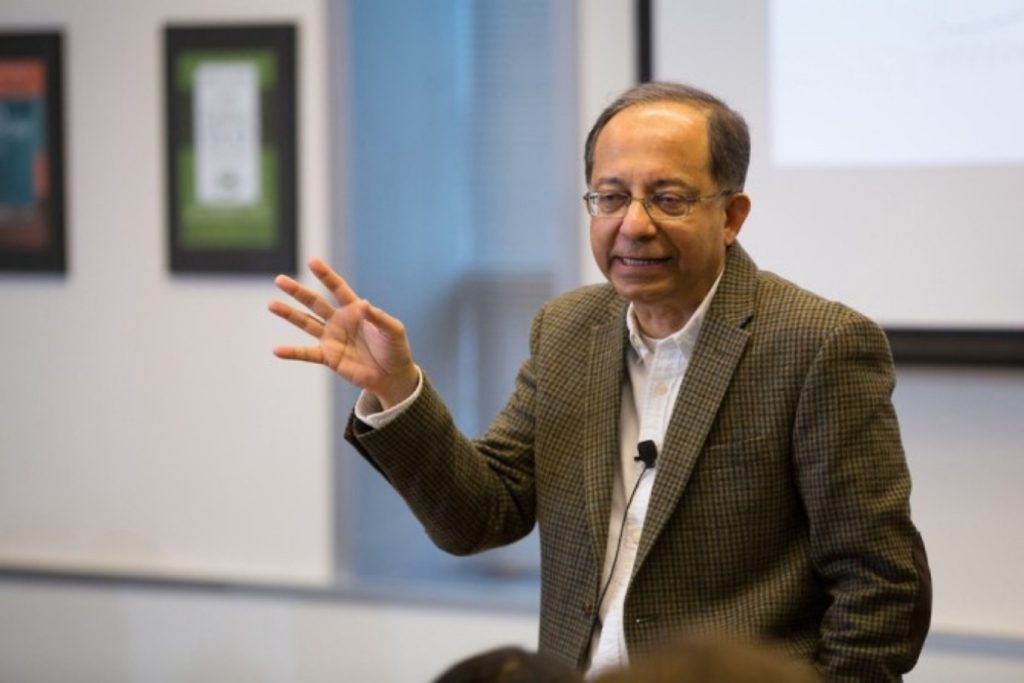
The United Nations Secretary-General named Kaushik Basu, a leading economist and professor at Cornell University, as the co-chair of an independent High-Level Expert Group. The group will propose global strategies for evaluating economic progress through frameworks that either supplement or move beyond the traditional Gross Domestic Product (GDP). While GDP has long served as the benchmark for national success, it is now widely seen as a narrow indicator that fails to capture the complexity of sustainable development. It doesn’t account for key factors such as climate change, social disparity, and the overall well-being of populations. Reflecting on the change, Basu…

Read More
Pakistan Breaks Truce Hours After Ceasefire Deal

As tensions mounted between India and Pakistan, both nations agreed to a ceasefire on Saturday following India’s successful execution of ‘Operation Sindoor’ on May 7. Ahead of this agreement, Prime Minister Narendra Modi held a key conversation with US Vice President JD Vance, according to ANI. During this dialogue, PM Modi emphasized that India had decisively accomplished its military, political, and psychological objectives through a calculated and precise mission. PM Modi highlighted that Indian Armed Forces had fulfilled their commitment to destroy terrorist networks operating from Pakistan. Specifically, strategic airstrikes targeted and eliminated terror bases in Bahawalpur, Muridke, and Muzaffarabad.…

Read More

Despite a ceasefire understanding between India and Pakistan, government sources confirm that Operation Sindoor remains active. Prime Minister Narendra Modi chaired a high-level security meeting on Sunday at his residence in New Delhi, joined by senior ministers and top defence officials, to assess the ongoing security scenario. Officials familiar with the matter revealed that India is maintaining a firm stance—cross-border terrorism will be met with overwhelming retaliation. In a strong message to the armed forces, Prime Minister Modi is believed to have urged a firm response to any provocation from Pakistan, famously stating, “If they fire bullets, we will respond…

Read More

In a sudden turn of events, Pakistan violated the ceasefire agreement just hours after both countries publicly committed to a truce along the Line of Control (LoC) and the International Border. The violations took place on Saturday across several sectors, disrupting a brief moment of peace and stability in the region. According to official sources, the Border Security Force (BSF) has been instructed to retaliate decisively against any hostile moves from across the border. The breach came shortly after India formally announced that a ceasefire understanding had been reached, a decision that Pakistan confirmed as well. Despite the diplomatic exchange,…

Read More

Following the Pahalgam massacre, India made a decisive move to dismantle terror hubs across the border, brushing aside concerns over diplomatic fallout or international isolation. Contrary to sceptics’ fears, India’s strategy not only struck at terror infrastructure but also earned robust diplomatic support from around the globe. World powers, from the United States to the European Union and several Middle Eastern nations, rallied behind India’s right to self-defence. They lauded the country’s targeted and restrained military response, recognising New Delhi’s intent to dismantle cross-border terrorism without provoking unnecessary escalation. Foreign Secretary Vikram Misri promptly briefed global counterparts on the precision…

Read More