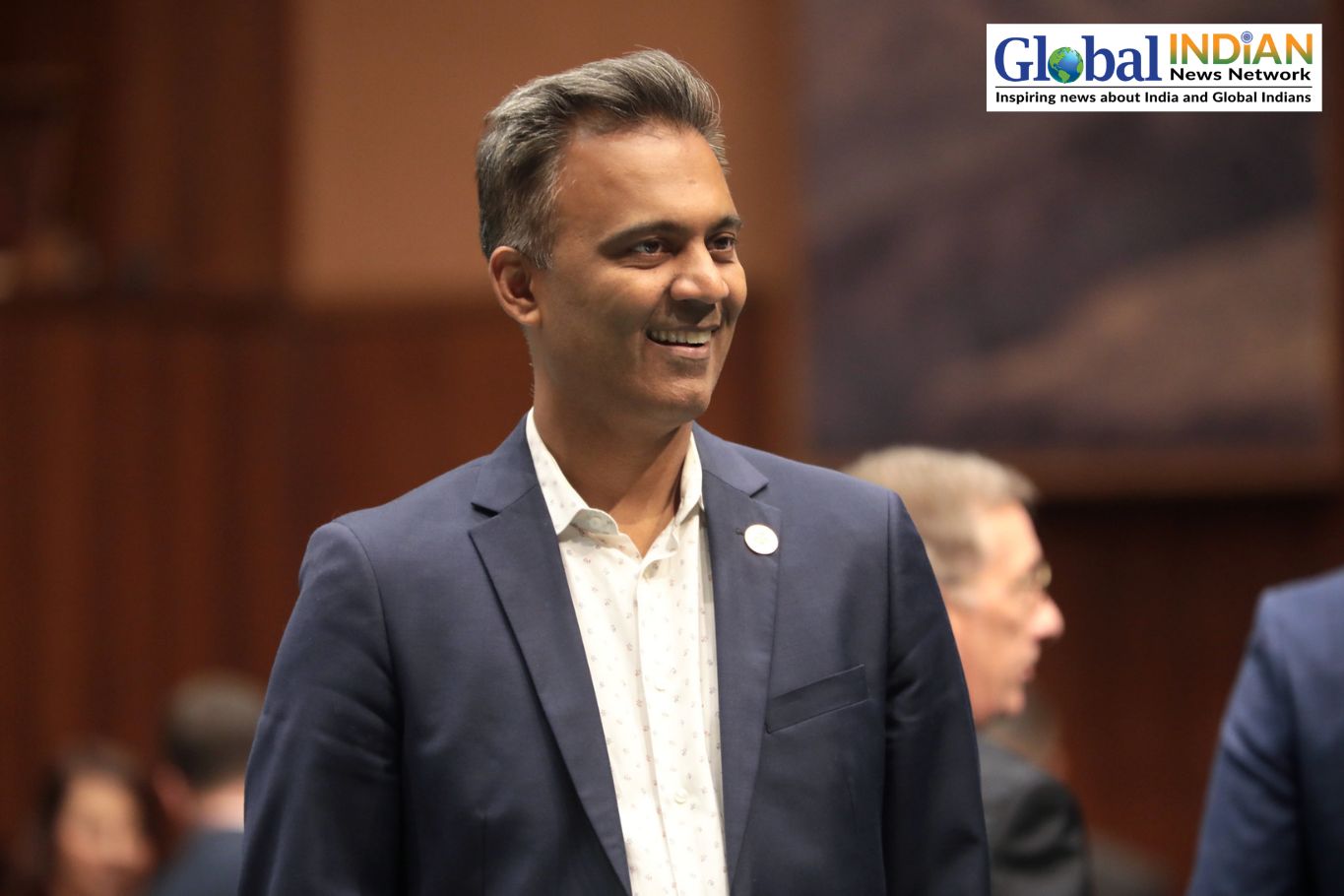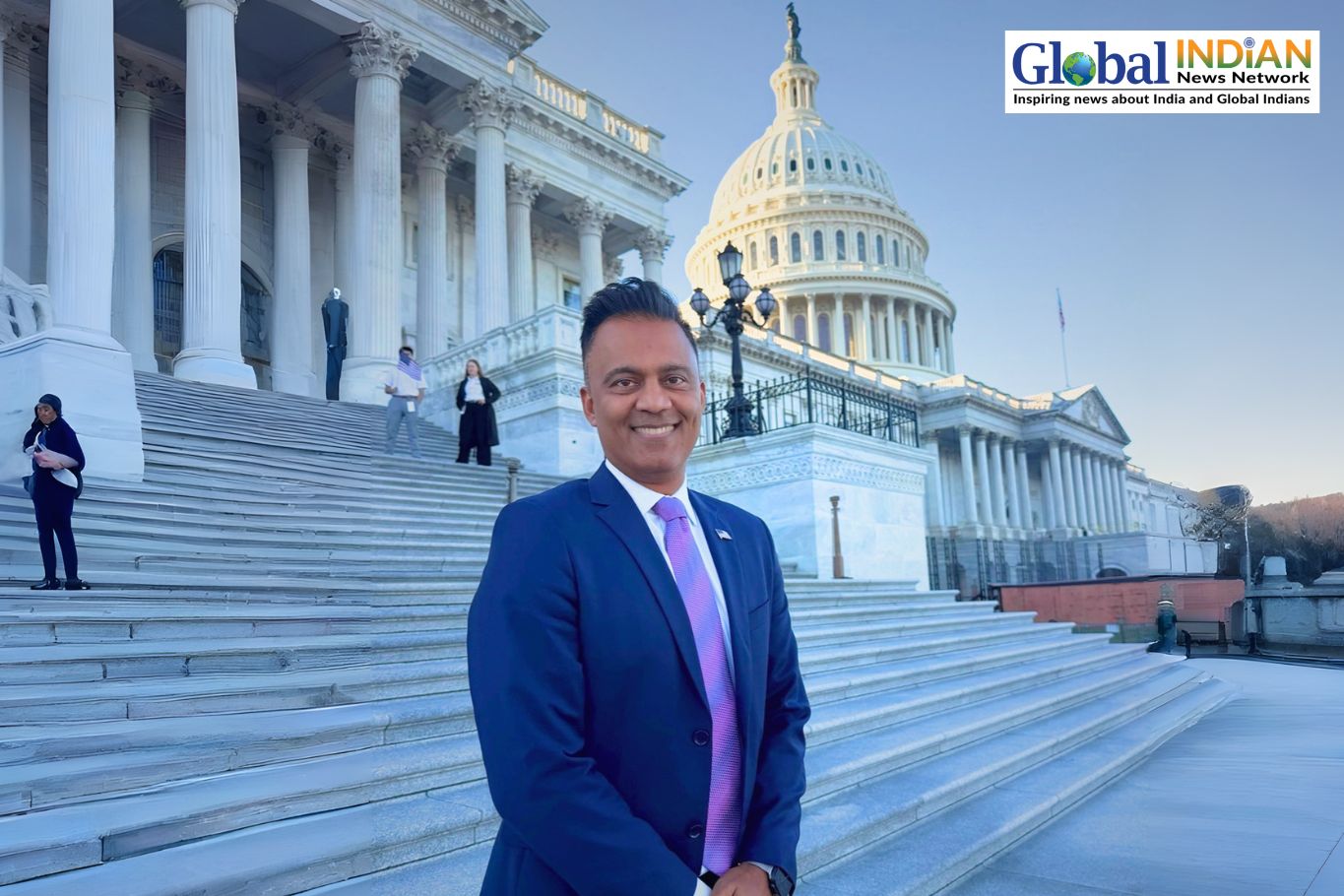
US Congressman-elect Amish Shah has outlined plans to challenge the country’s tariff policies, support Indian-American entrepreneurs, and address growing anti-Indian hostility. Speaking with Indian journalists on Wednesday, Shah said reducing financial pressures on businesses and families would be among his primary objectives when he takes office.
He intends to push for reversing existing tariffs and restoring Congress’s authority over trade duties, which he believes should not rest solely with the White House. Shah said Indian-American business owners had approached him with concerns about frequently changing tariffs and their impact on operating expenses. Recalling a conversation with the owner of a restaurant he regularly visits, Pizza Heaven, he explained how rising tomato prices had forced the business to consider increasing pizza prices.
Shah also emphasized the importance of stronger relations between India and the United States. Describing both nations as strategic and economic partners, he expressed interest in joining the India Caucus and addressing trade disagreements. However, he said his immediate focus would remain on Arizona’s needs, particularly living costs, healthcare access, and water security.
Another major concern for Shah is the reported increase in anti-Indian hostility over the past six to twelve months. He condemned discriminatory remarks targeting Indian Americans, including students, and urged public officials to speak against such behavior. He also called for legislative measures to improve community safety, particularly at places of worship.
On healthcare, Shah supported introducing a public option that would allow Americans to purchase Medicare coverage. He believes this could broaden access, reduce private insurance premiums, and improve Medicare’s financial stability. He also promised bipartisan cooperation, drawing on his experience working with Republican lawmakers in Arizona’s state legislature.
Regarding the Iran conflict, Shah called for greater congressional oversight, an end to hostilities, preventing Iran from acquiring nuclear weapons, and reducing fuel costs.
Shah’s family history reflects deep Indian connections. His mother moved to Bombay as a child, while his paternal grandfather established a tea and spices business in Cochin. His mother later moved to the United States in 1969 to study at the Milwaukee School of Engineering with financial sponsorship. Shah recalled these family experiences as examples of the opportunities and generosity that helped shape his journey.