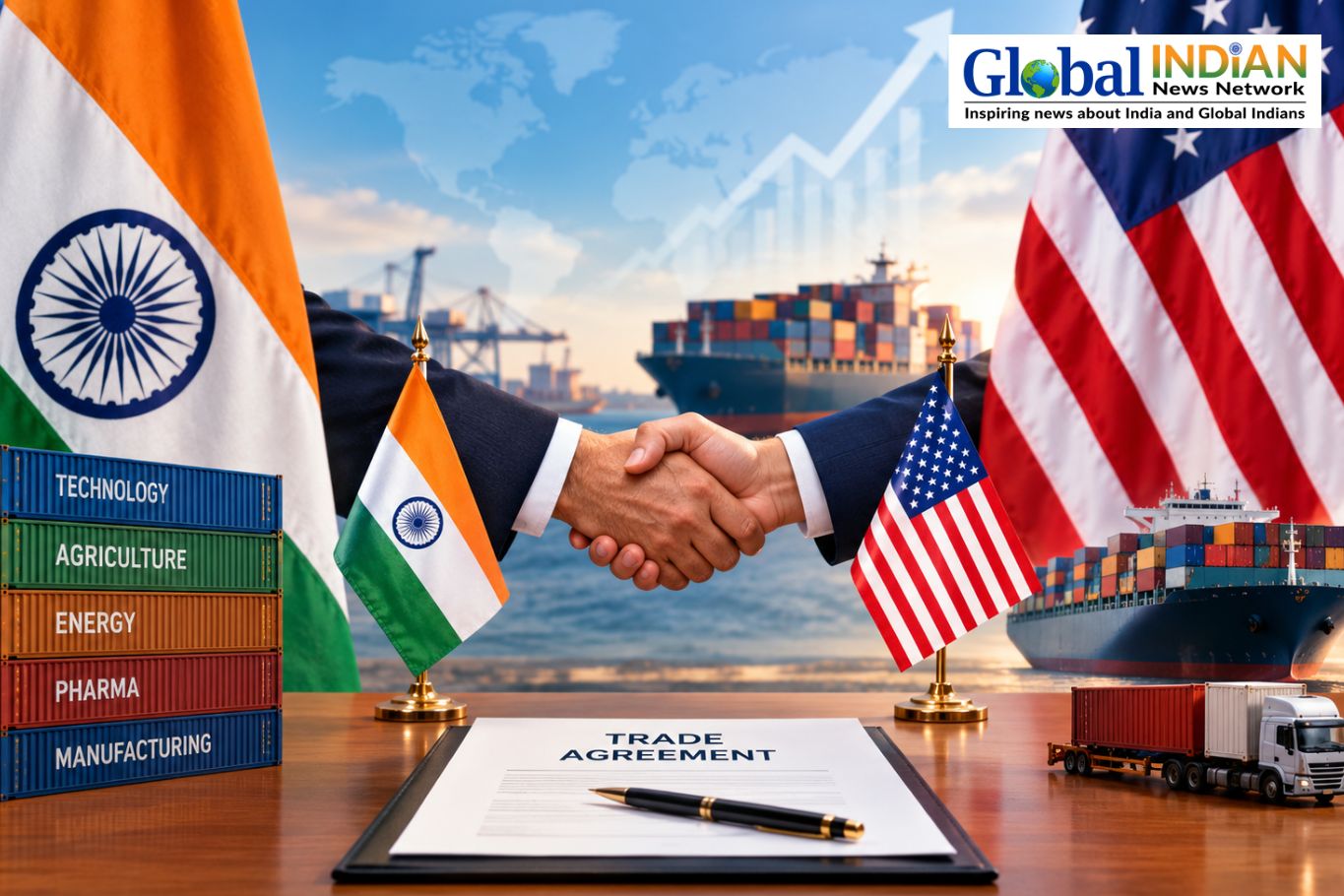
 The upcoming trade agreement between India and the United States is set to open a new chapter in bilateral commerce, with several Indian industries poised to benefit from reduced tariffs. The annual trade volume between the two nations currently stands at about $125 billion, with India exporting roughly $80–85 billion worth of goods while importing around $40 billion. This imbalance, which results in a trade deficit for the US, had earlier prompted Washington to impose heavy tariffs on Indian products.
US President Donald Trump has now confirmed that a deal could soon be finalized, bringing tariff rates on Indian exports down from nearly 50% to around 15%. This reduction is expected to spark significant momentum across India’s manufacturing and export-driven sectors. Market analysts report that stocks in various industries have already surged between 5% and 15% in anticipation of the agreement.
Among the major winners, the textile industry stands out. With India accounting for nearly 40% of textile imports to the US, companies like Gokaldas Exports, KPR Mill, Arvind, Welspun Living, and Trident could see substantial growth once the new tariff structure takes effect.
The auto component sector is also expected to benefit. Stocks of Bharat Forge have already climbed about 5%, while Motherson Sumi, Sona Comstar, and Sundram Fasteners are also seeing upward trends.
The gems and jewelry segment is another key beneficiary, with companies such as Titan, Kalyan Jewellers, and Rajesh Exports predicted to gain from stronger US demand. Similarly, the seafood and shrimp industry, which contributes nearly 50–60% of America’s total imports in that category, will likely experience a sharp rise in export orders. Firms like Avanti Feeds, Apex Frozen, and Waterbase could see a surge in market performance.
Additionally, India’s energy sector is expected to profit from increased oil and gas imports from the US, potentially lifting stocks of Reliance and ONGC. The metals segment, particularly steel and aluminum producers like Tata Steel and JSW Steel, will also benefit from lower export duties.
Overall, the trade deal marks a strategic step toward balanced growth, with multiple Indian industries poised to gain billions of dollars in export value and market capitalization in the months ahead.