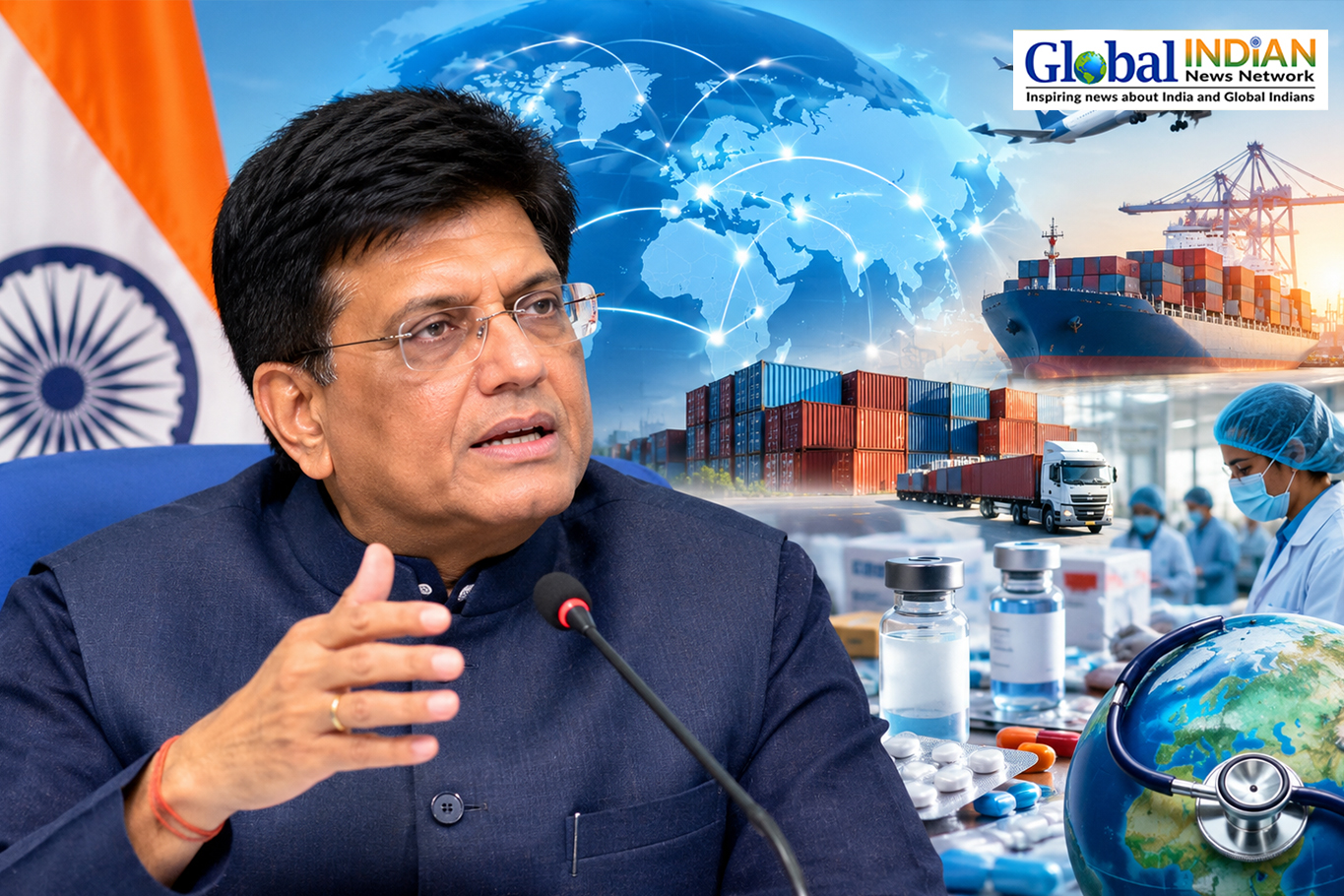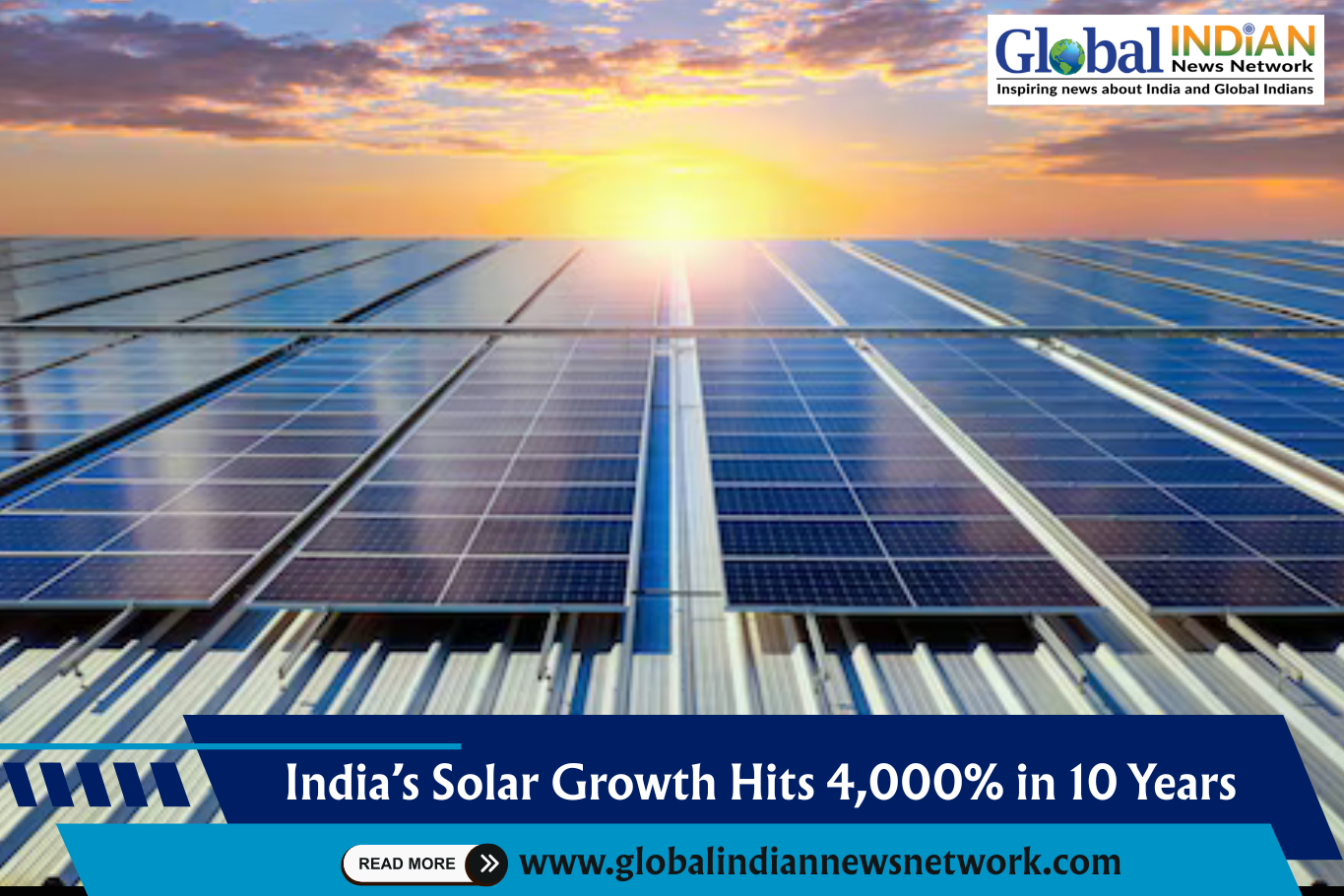
At the 11th edition of India Energy Storage Week (IESW) 2025 held in New Delhi, Union Minister of Commerce and Industry, Mr. Piyush Goyal, spotlighted India’s extraordinary journey in clean energy. Over the past ten years, India’s solar power capacity has grown an astounding 4,000%, pushing the country’s total renewable energy capacity to 227 gigawatts (GW). He proudly stated that India is likely the first G20 nation to meet its climate goals as per its Nationally Determined Contributions (NDCs) under the Paris Climate Agreement.
He shared the success of Palli village in Jammu & Kashmir, which became India’s first carbon-neutral panchayat, symbolizing the nation’s strong grassroots commitment to sustainability. Goyal praised landmark initiatives like the PM Surya Ghar Yojana, which aims to install rooftop solar in 10 million homes, and the PM-Kusum Yojana, which encourages solar pumps for farmers. Backed by the Production Linked Incentive (PLI) scheme, solar module manufacturing has surged 38 times, and solar cell production has grown 21 times in recent years.
Goyal presented a four-pillar strategy to achieve energy self-reliance: fuel innovation, develop infrastructure, strengthen supply chains, and expand the clean energy ecosystem. He drew attention to a major boost in funding, with the government approving a Research, Development, and Innovation (RDI) fund worth $11.67 billion, which could potentially attract $70–81 billion in R&D investments, matching global leaders.
Recognizing the importance of 24×7 clean power, Goyal stressed the need to scale advanced energy storage systems like batteries, pumped hydro, and solid-state technologies. He urged industries to invest in battery-swapping infrastructure, recycling systems, and cutting-edge innovations that support green transition.
With the country aiming to reach 500 GW of renewable energy by 2030, energy storage, he said, will become the backbone of India’s clean power mission. Goyal’s address painted a confident picture of a self-reliant, sustainable India leading global clean energy efforts through policy, innovation, and industry collaboration.