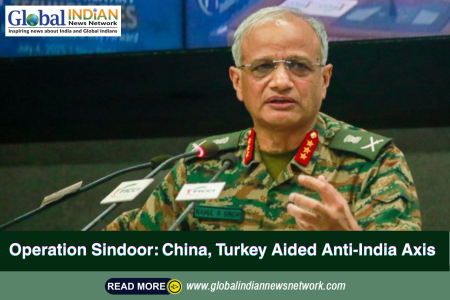
 In the wake of Operation Sindoor, India’s military brass is sounding a loud call to arms—not just on the battlefield, but on the budget sheet. With the close military collaboration between China and Pakistan now undeniably exposed, defense experts are urging the government to increase its annual defense allocation to at least 2.5% of the country’s GDP. That’s a sharp jump from the current 1.9%, which many say is inadequate to handle the growing strategic complexities.
As both adversaries align more closely along India’s borders, the threat of a two-front conflict has become more than just theoretical. China’s long-standing military dominance and continued support of Pakistan as a tactical partner make it India’s foremost strategic challenge for the foreseeable future, according to top military officials.
Recent skirmishes have highlighted the growing Chinese footprint in Pakistan’s arsenal. During the May 7–10 conflict window, Pakistan deployed a range of Chinese-supplied weapons, from J-10 fighter jets with PL-15 long-range missiles to HQ-9 air defense systems. Future acquisitions, including up to 40 J-35A stealth jets and HQ-19 missile batteries, could further shift the regional balance.
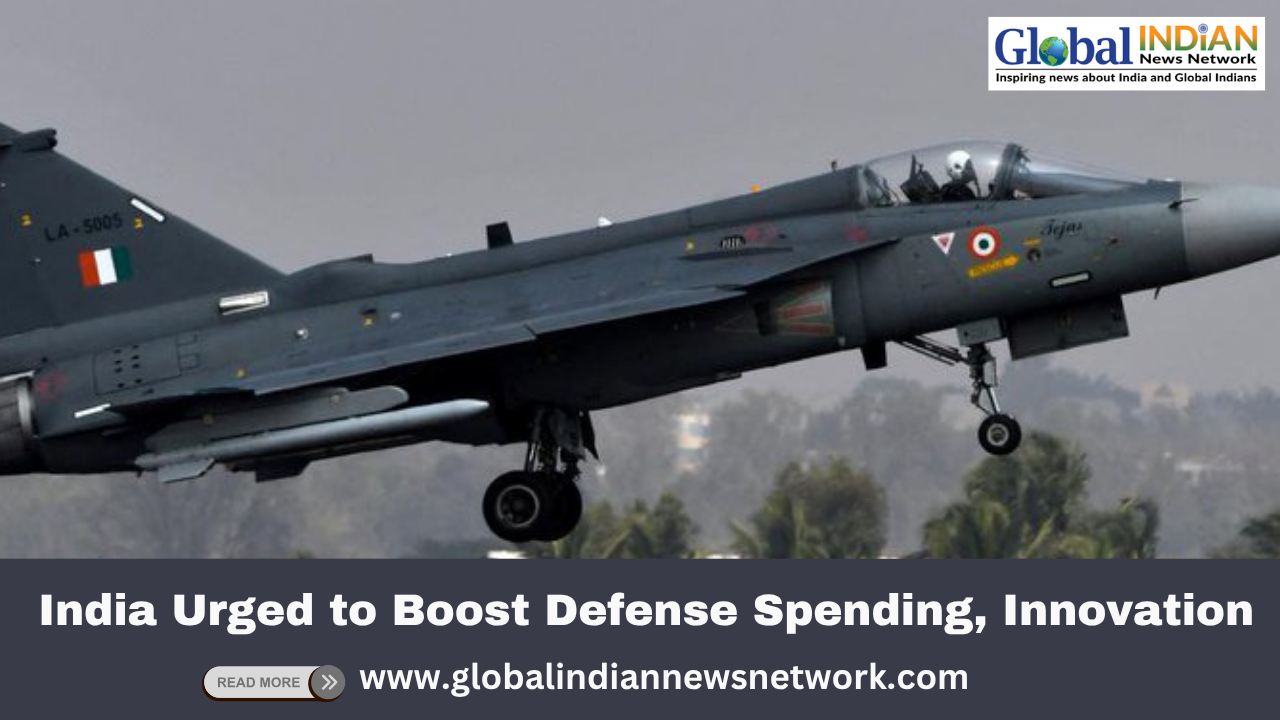
With over 75% of the defense budget currently consumed by salaries, pensions, and maintenance, little remains for actual modernization. Emergency procurements offer stop-gap solutions, but strategic autonomy can only come through sustained investments in indigenous platforms. Accelerating programs like the Advanced Medium Combat Aircraft (AMCA) and developing 110 kN jet engines domestically are no longer optional—they are mission-critical.
India’s air force currently operates just 30 fighter squadrons, far short of the 42.5 squadrons deemed necessary. Drones, UCAVs, and standoff weapons are also redefining modern combat, demanding urgent domestic scale-up.
Operation Sindoor underlined the importance of India’s multi-tier air defense system, involving Russian S-400s, Israeli-Indian Barak-8s, and indigenous Akash missiles. The DRDO’s work on short and long-range missile systems—like the 6 km VSHORAD and 350 km range Project Kusha—must be completed at pace.
Finally, the road to military readiness also runs through deep structural reforms. Cutting redundant personnel, streamlining procurement, and setting up integrated theater commands will ensure India’s military is not only equipped but also organized for future wars—fought increasingly with tech, speed, and strategic clarity.