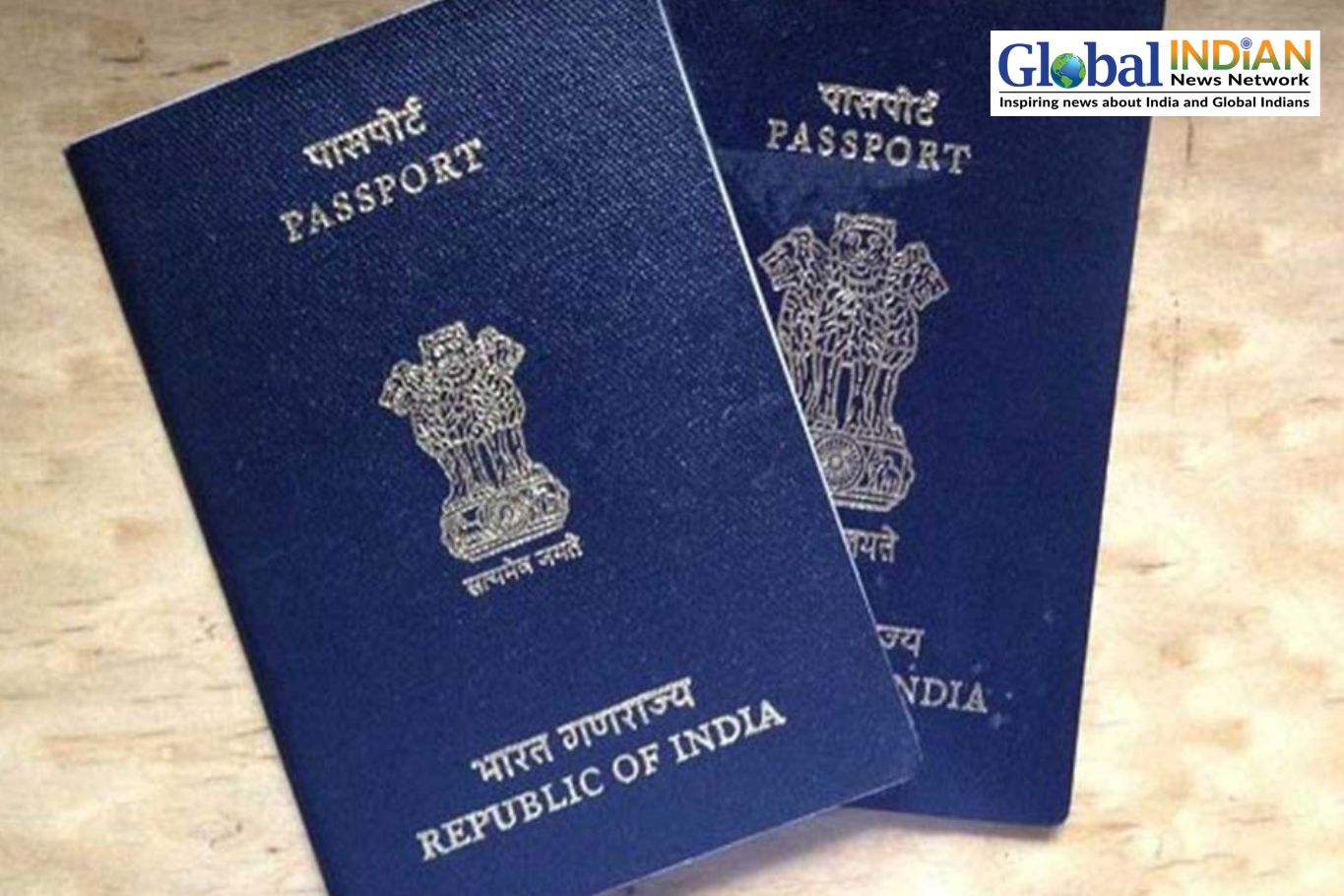
The Indian government has introduced a major overhaul of the country’s visa framework, reducing the number of main visa categories from 13 to nine and sub-categories from 49 to 23. The reform aims to simplify the application process, reduce administrative complexities and make India more accessible to international visitors.
The Ministry of Home Affairs (MHA) has also reduced the number of fields required in visa application forms by 65 to 70 per cent across all 23 sub-categories. The move is expected to make applications easier and faster for foreign nationals travelling to India for tourism, business, education, healthcare, research and other purposes.
The revised framework is designed to eliminate confusion arising from overlapping visa categories and provide applicants with clearer options based on their travel requirements. The government expects the changes to encourage foreign tourist arrivals, promote medical value travel, attract international students and facilitate business engagements.
Under the new system, the nine principal visa categories are Business, Diplomatic, Work, Journalist, Medical, Official, Student, Visitor and Miscellaneous visas.
One of the most significant changes is the renaming of the Tourist Visa as the Visitor Visa, with a broader scope covering several activities beyond conventional sightseeing. The revised category is intended to accommodate different types of short-term and extended visits under a more streamlined framework.
The Visitor Visa has been divided into two sub-categories. The V-1 category permits short visits for tourism, business meetings, medical consultations, wellness retreats and short-term cultural or language courses. It carries a validity of 30 days with multiple-entry facilities.
The V-2 category is designed for longer stays and offers visa validity of one, five or 10 years, depending on the applicant’s eligibility and applicable conditions.
The government has also reorganised medical, student and business visa provisions to make the application process more straightforward. Medical visas will cover both conventional medical treatments and AYUSH-based healthcare services, reflecting India’s growing position as an international healthcare destination.
Similarly, the revised Student Visa framework distinguishes between regular academic programmes and other activities, including research, internships and exchange programmes. The changes are expected to make it easier for international students and researchers to identify the appropriate visa category.
According to the Ministry of Home Affairs, reducing the number of application fields will significantly lower the time and effort required from applicants while improving administrative efficiency and scrutiny. The ministry also examined visa systems followed by developed countries and international standards before finalising the revised framework.
The new visa structure received government approval on August 27, 2026. The ministry is currently upgrading the necessary information technology infrastructure to implement the changes across the visa application and processing system.
Visas under the revised framework are expected to begin issuance by the end of 2026.
The reform represents an important step towards modernising India’s immigration procedures and improving the overall experience for international visitors. By simplifying visa categories and reducing documentation requirements, India aims to strengthen its appeal as a destination for tourism, education, healthcare, investment and international business.