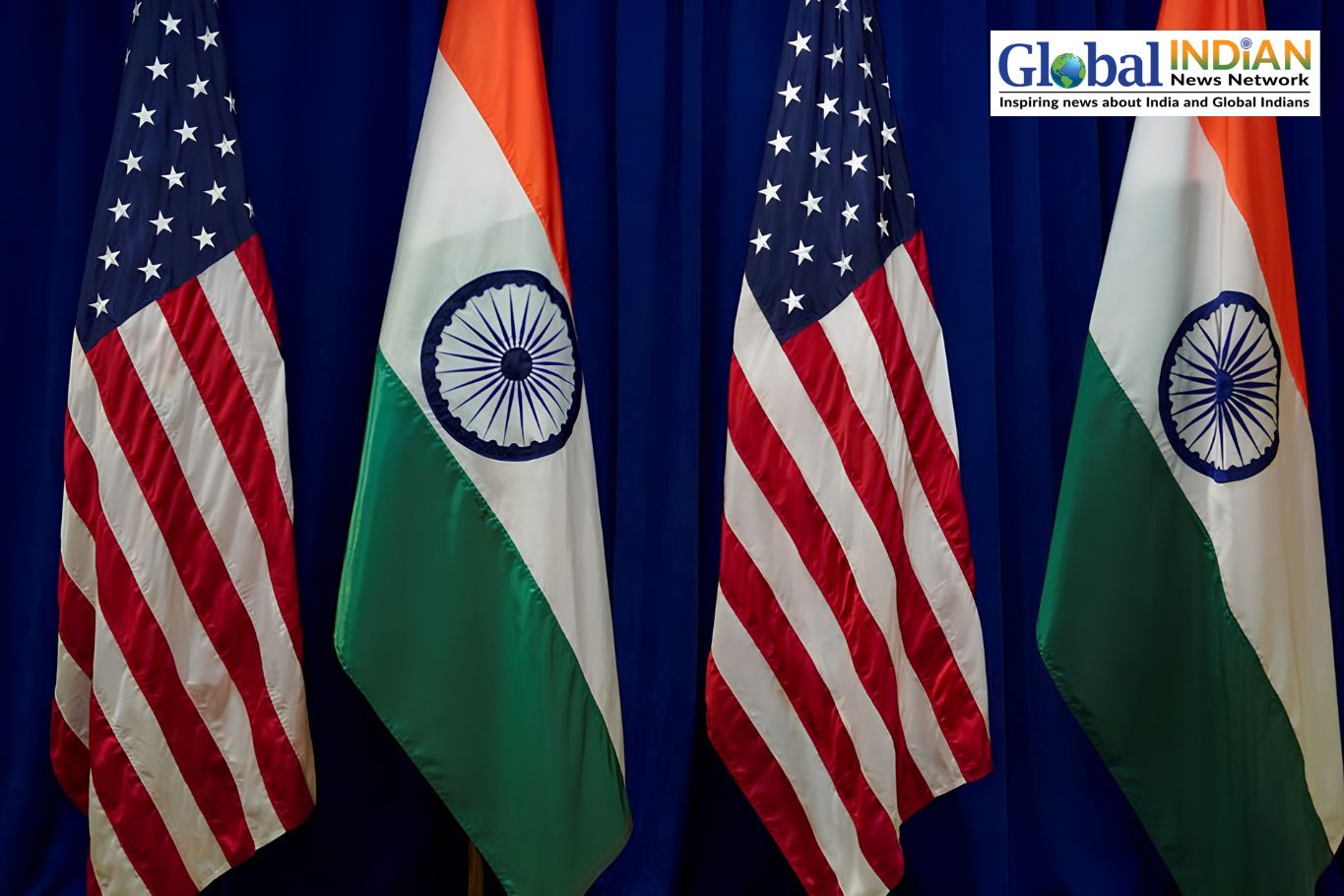
India has reiterated that its relationship with the United States enjoys strong bipartisan support, emphasising that the strategic partnership between the two countries remains important regardless of political changes in Washington. The statement came after the Democratic Party secured victories in both chambers of the US Congress in the 2026 midterm elections, dealing a setback to US President Donald Trump’s Republican Party.
Responding to questions about the election results, Ministry of External Affairs spokesperson Randhir Jaiswal described the midterm elections as an internal matter of the United States and said India had no specific comments on the outcome. However, he underlined that India-US relations continue to enjoy strong support across the political spectrum in Washington.
Jaiswal reiterated India’s commitment to strengthening its Comprehensive Global Strategic Partnership with the United States, signalling continuity in bilateral engagement despite the changing political landscape.
The Democratic Party’s victories in both the Senate and the House of Representatives mark an important development in American domestic politics. The results are widely being viewed as a referendum on Trump’s second presidential term and could influence the administration’s domestic and international policy priorities.
For India, maintaining strong relations with both major American political parties remains a significant diplomatic priority. Cooperation between New Delhi and Washington extends across defence, trade, technology, energy, regional security and strategic affairs. Continued bipartisan backing is particularly important for ensuring stability in these areas.
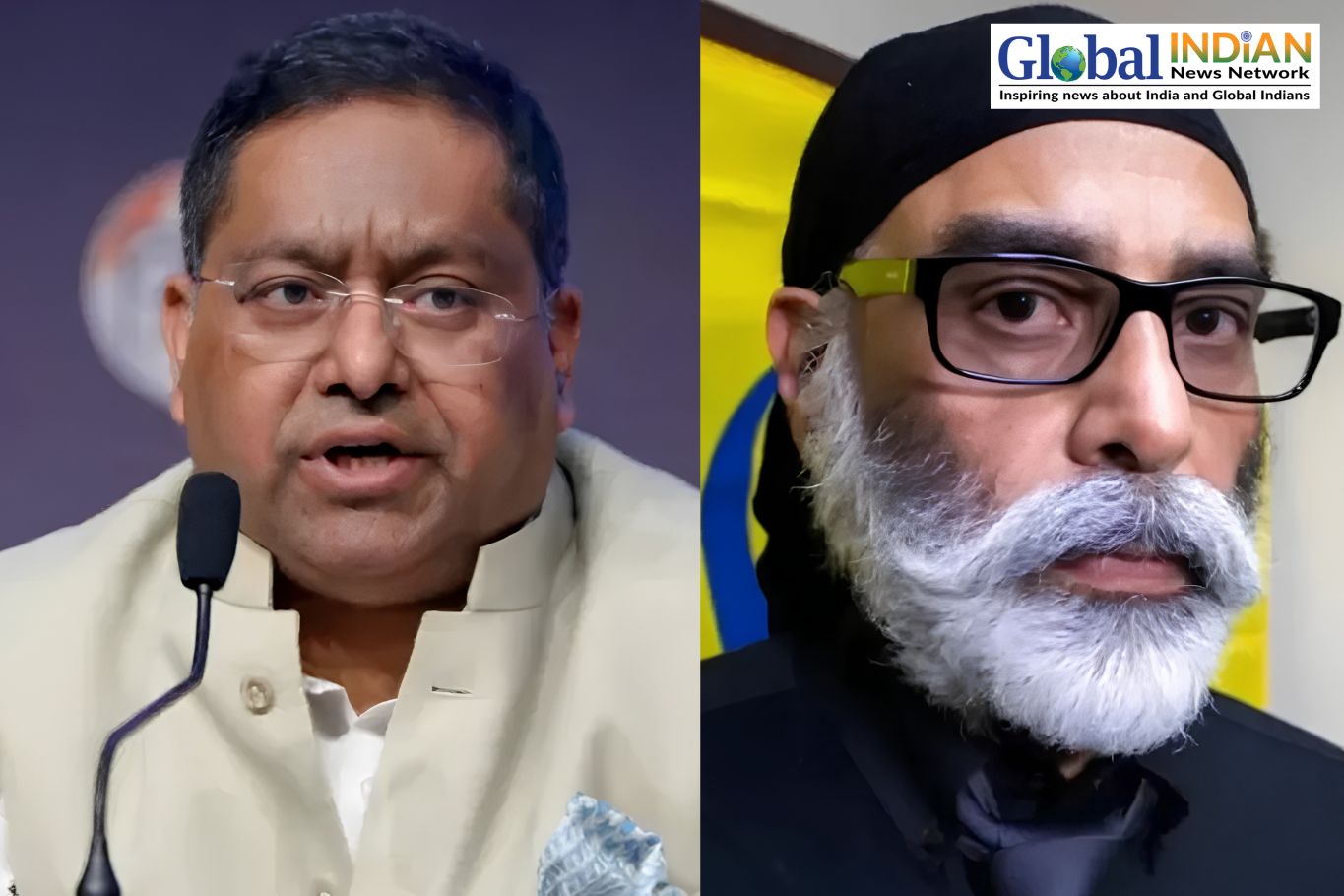
In a separate development, India also rejected allegations raised by Khalistani separatist Gurpatwant Singh Pannun in a lawsuit filed against Indian officials in the United States. The case reportedly names National Security Adviser Ajit Doval and former Research and Analysis Wing chief Samant Goel.
India dismissed Pannun’s allegations and attacks against senior Indian security officials, maintaining its position against what it considers unfounded accusations.
The two developments highlight the range of issues shaping India-US relations, from political changes in Washington to security-related concerns and diplomatic disagreements. While the new congressional balance could influence debates over American foreign policy, India has reiterated its intention to maintain constructive engagement with the United States.
New Delhi’s emphasis on bipartisan support reflects its broader diplomatic approach of building long-term institutional relationships in Washington rather than relying solely on political ties with a particular administration.