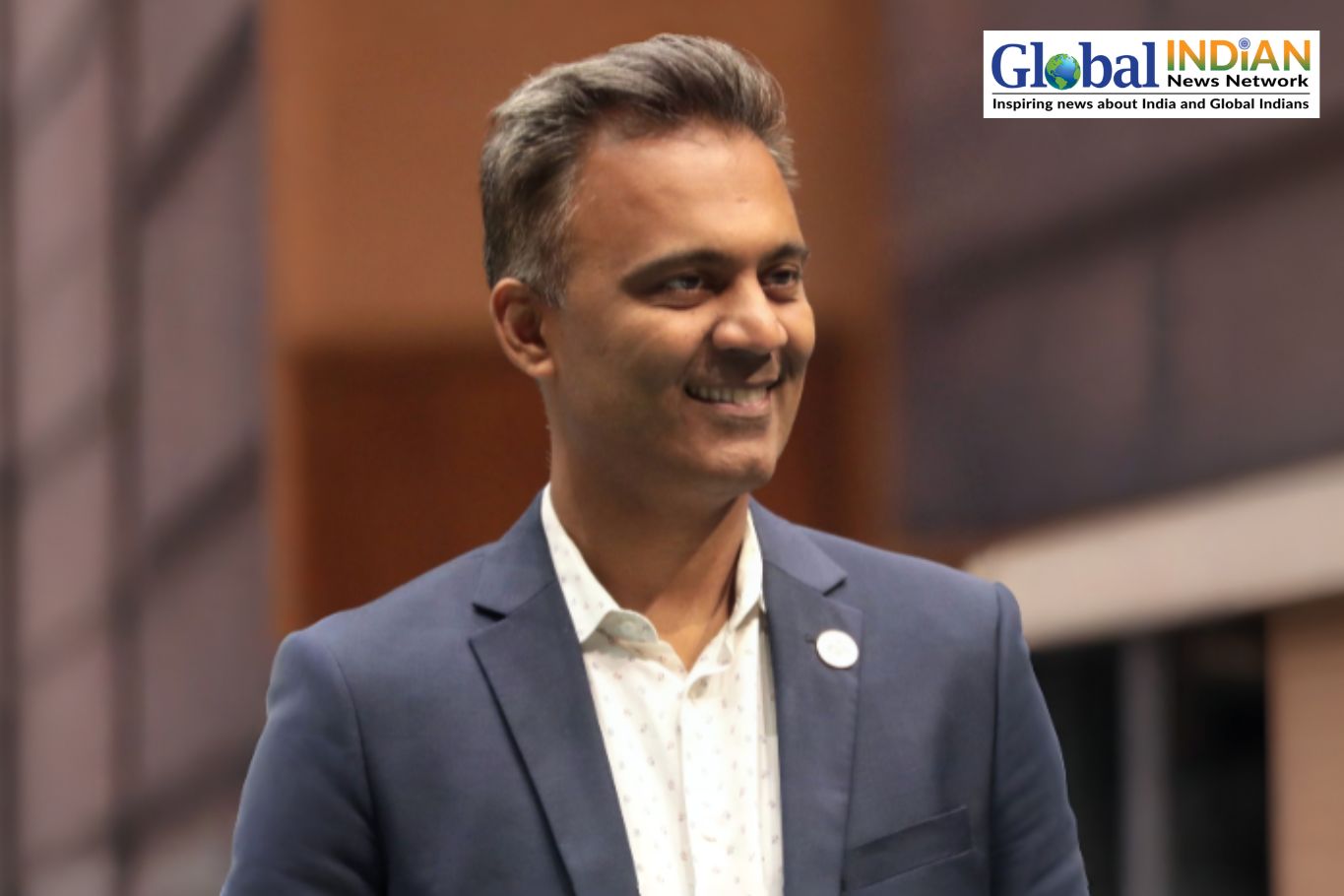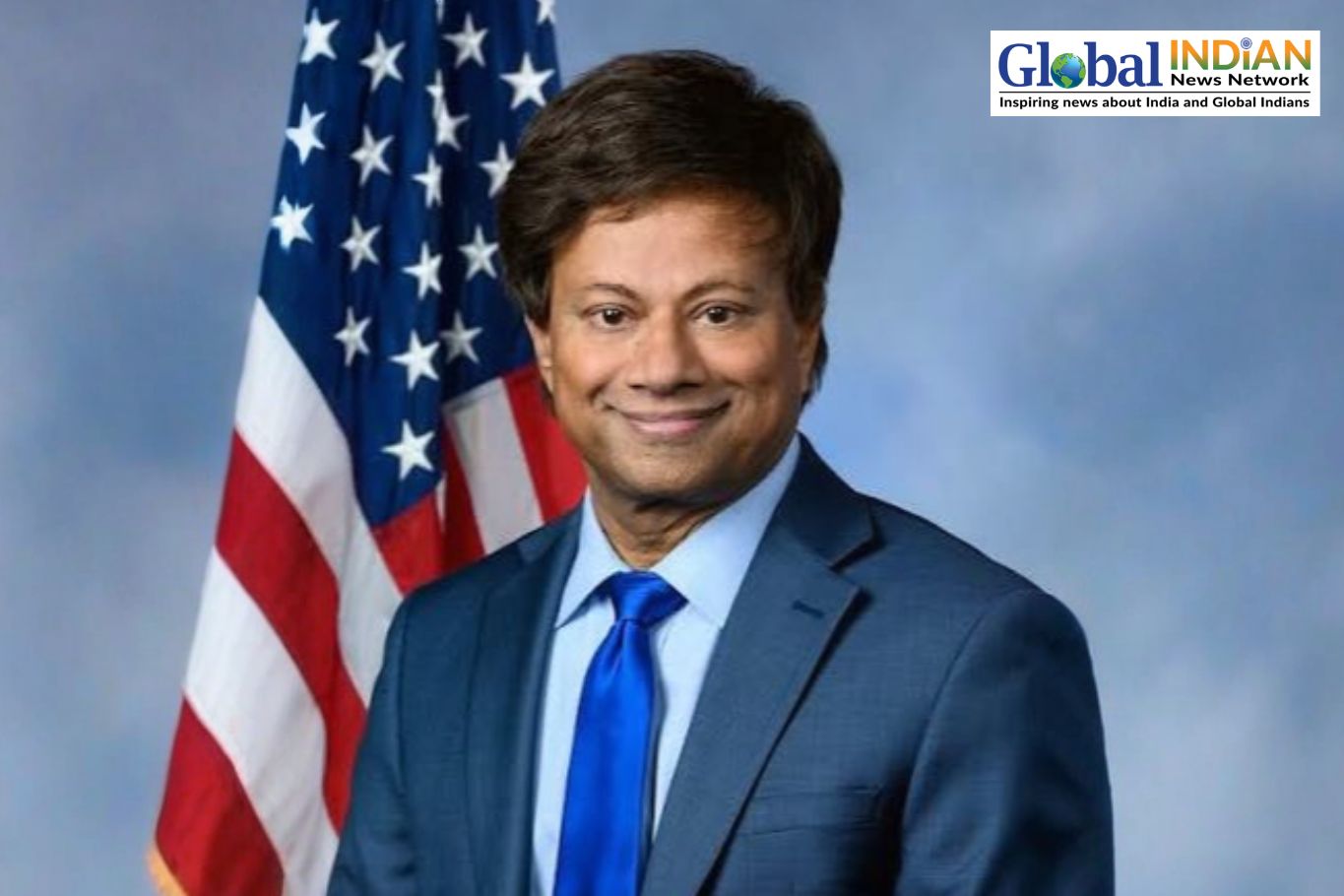
Indian-American Congressman Shri Thanedar has attributed the Republican Party’s losses in the 2026 US midterm elections to growing public dissatisfaction with President Donald Trump’s leadership, pointing to rising living costs, trade tariffs, the Iran conflict and allegations of corruption within the administration.
Thanedar, a Democrat representing Michigan’s 13th Congressional District in the US House of Representatives, said the election results reflected voter frustration with Trump’s policies rather than necessarily indicating increased support for the Democratic Party.
“I don’t see this as support for the Democratic Party. This I see as dissatisfaction with Trump. This is really on Trump,” Thanedar said while commenting on the electoral outcome.
The Congressman argued that Trump’s economic and foreign policy decisions had become central issues for voters, effectively turning the midterm elections into a referendum on the President’s performance.
He identified tariffs, the administration’s handling of the Iran war and concerns over international relations as major factors behind the Republican setback. According to Thanedar, voters were increasingly questioning the administration’s economic management and foreign policy decisions.
Rising living costs emerged as another major concern. Thanedar said Americans across political and geographical divisions were struggling with the increasing prices of essential goods and services, including fuel, food, fertilisers and healthcare.
Describing the situation as an affordability crisis, he argued that the economic pressures facing households had contributed significantly to voter dissatisfaction.
The Congressman also criticised Trump’s handling of the Iran conflict and trade policy, alleging that the President had exceeded his constitutional authority by taking tariff powers into his own hands and disregarding Congress’s role.
Thanedar further raised allegations of corruption within the administration, claiming that members of Trump’s family had benefited financially to the tune of billions of dollars. He described these alleged financial benefits as a significant source of public concern.
According to Thanedar, dissatisfaction with the President was not limited to Democratic voters or political independents. He argued that sections of the Republican electorate were also expressing regret over their earlier support for Trump.
“This is a message to the President, not only by the Democrats or the independents, but also by his own Republican voters,” he said, describing the outcome as an indication of growing frustration among voters who had previously supported the President.
He also highlighted the widespread nature of economic concerns, arguing that traditionally Republican and Democratic states were experiencing similar financial pressures.
“The red states are hurting as much as the blue states. The Republicans are hurting as much as the Democrats,” Thanedar said.
The projected Democratic victories in both chambers of Congress represent a significant shift in Washington’s political balance. If the projected results hold, Democrats will gain control of the House of Representatives and the Senate, potentially limiting Trump’s ability to advance his legislative agenda during the remaining two years of his presidency.
A Democratic-controlled House could increase congressional scrutiny of the administration through committee investigations, hearings and subpoenas. Control of the Senate would also strengthen the party’s influence over legislation and presidential nominations.
The Republican losses mark a major political setback for the Trump administration, with voter concerns over economic conditions, tariffs and foreign policy emerging as prominent themes in the election.
For Indian-American lawmakers such as Thanedar, the results also provide an opportunity to highlight the role of economic accountability, congressional oversight and public confidence in shaping the country’s political direction.