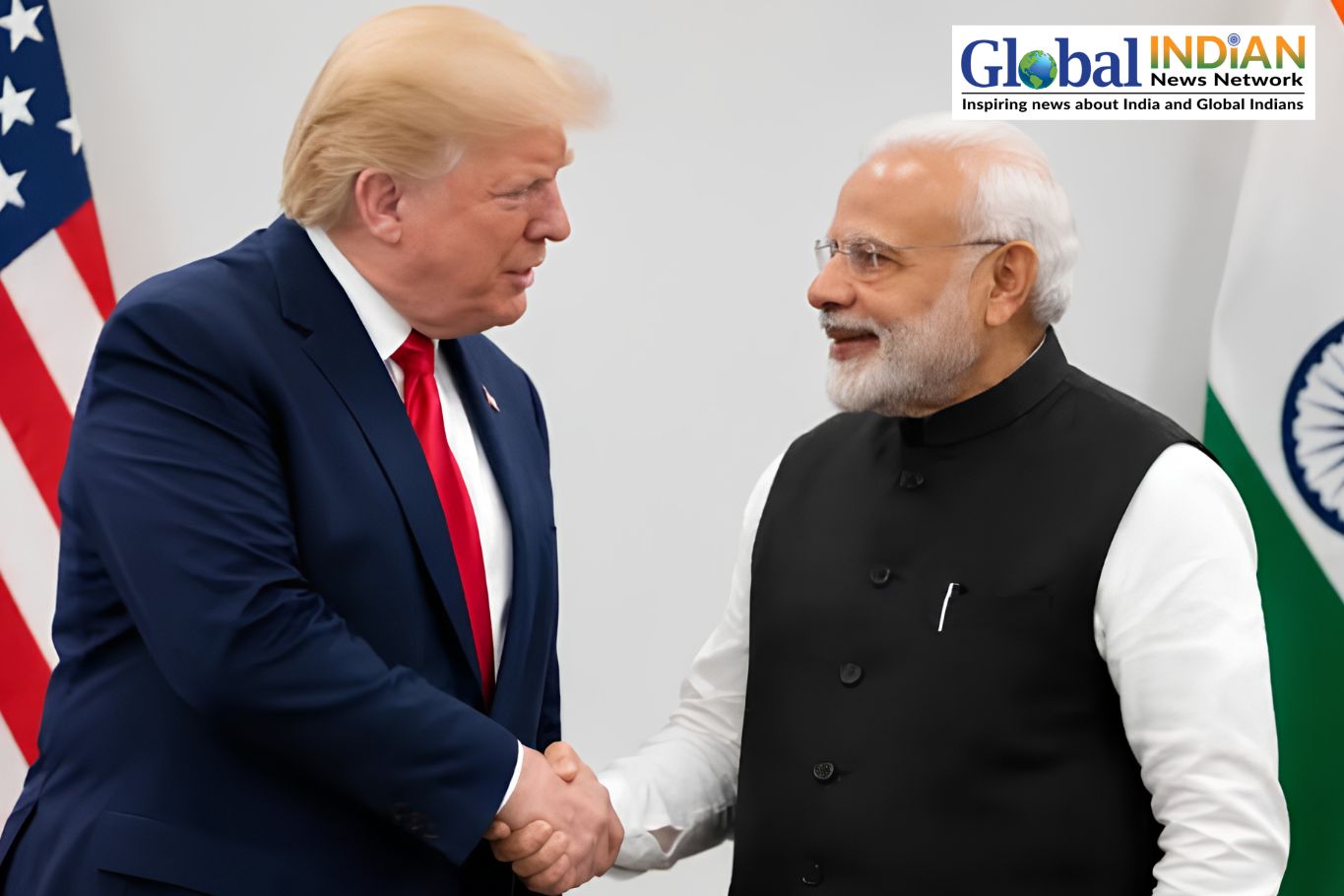
US President Donald Trump has indicated that India and the United States are moving closer to a bilateral trade agreement, saying the two countries are likely to reach a deal that could differ significantly from previous trade arrangements.
Speaking to reporters during an Oval Office interaction alongside Vice President JD Vance, Trump said India was keen to conclude negotiations with Washington. Responding to a question about the prospects of an agreement, he remarked, “They want to make a deal. We’re going to make a deal pretty close.”
Trump added that the proposed arrangement would be “a much different kind of deal” from those the United States had negotiated previously. However, he did not provide details about the proposed framework or explain how it would differ from existing trade agreements.
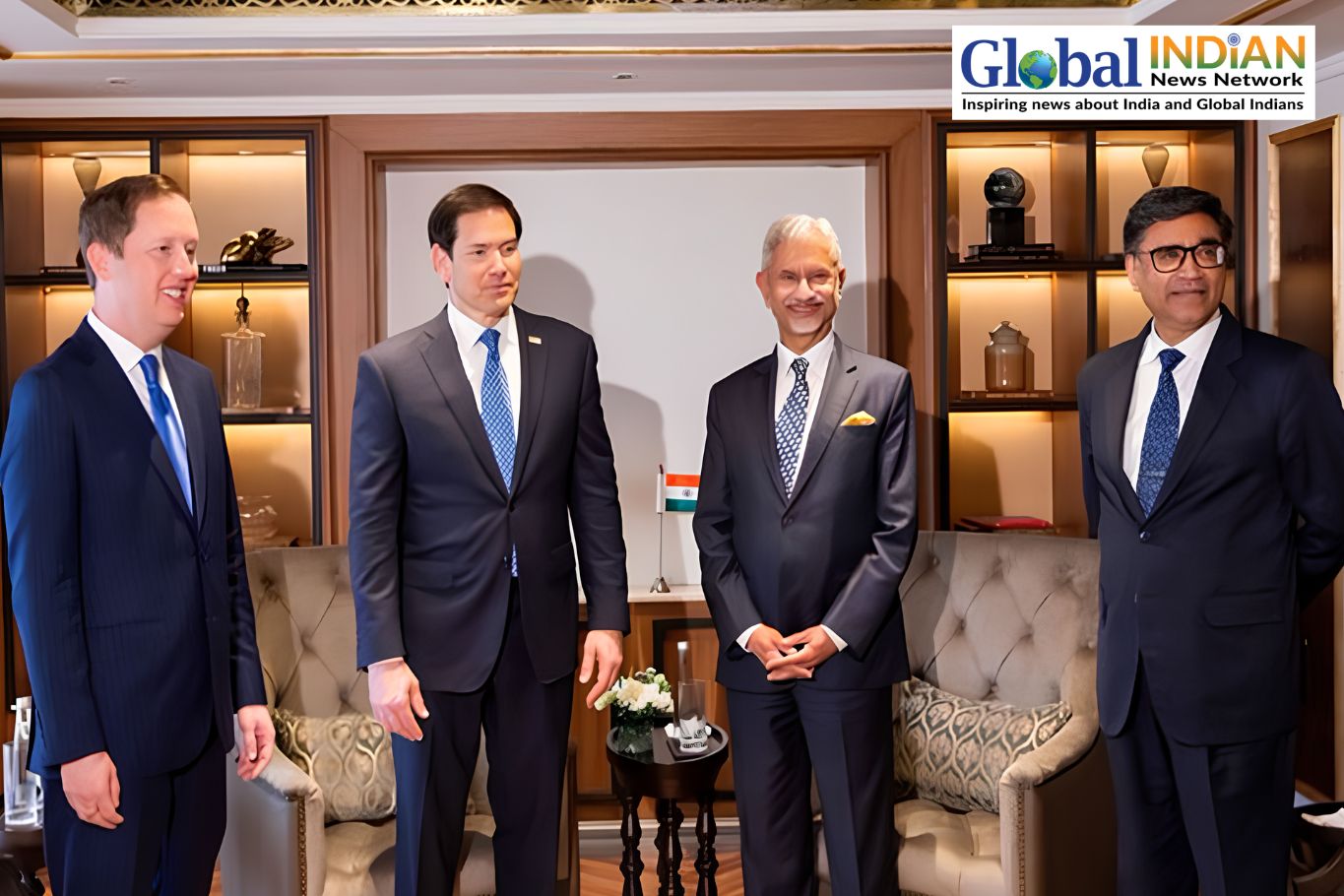
The remarks came amid renewed diplomatic engagement between New Delhi and Washington, with US Secretary of State Marco Rubio visiting India for discussions with External Affairs Minister S. Jaishankar. The meetings underscored the importance both governments attach to strengthening bilateral ties, including cooperation on trade, investment, technology and strategic issues.
Despite Trump’s optimistic assessment, several important aspects of the proposed agreement remain unclear. The US President did not announce a timeline for concluding negotiations, identify outstanding issues or confirm whether the two sides had reached a consensus on tariffs and market access.
India and the United States have been working towards a trade arrangement intended to expand commercial opportunities and address longstanding differences over tariffs, agricultural products, industrial goods and regulatory barriers.
Trade negotiations have gained greater significance under Trump’s second administration, which has placed tariffs and reciprocal market access at the centre of its economic policy. Washington has repeatedly called for improved access for American businesses in overseas markets and fewer barriers to US exports.
For India, a potential agreement could have important implications for export-oriented sectors, including pharmaceuticals, textiles, engineering goods and electronics. The outcome could also influence broader commercial cooperation and investment flows between the two economies.
American companies, meanwhile, are seeking greater access to India’s expanding consumer market and manufacturing sector. A mutually beneficial agreement could create additional opportunities for businesses in both countries, although the impact would depend on the final terms and the sectors covered.
The United States is one of India’s largest trading partners, with bilateral commerce encompassing goods and services across a range of industries. The economic relationship also includes significant investment and commercial partnerships in technology, manufacturing, pharmaceuticals and financial services.
Trump’s latest comments came during an Oval Office event focused primarily on efforts to combat fraud involving federal government programmes. During the interaction, he also discussed trade deficits with major partners, including Canada, Mexico and the European Union, while defending his administration’s approach to tariffs and domestic manufacturing.
The President portrayed his trade policies as part of a broader effort to strengthen American production, encourage industrial investment and support employment. However, he did not specifically address India’s tariffs, the bilateral trade balance or the concessions being considered in the ongoing negotiations.
His remarks therefore signal optimism about the direction of the talks rather than confirmation that a final agreement has been reached.
The ongoing diplomatic engagement between India and the United States provides an opportunity for both sides to address unresolved trade concerns and establish a framework for deeper economic cooperation. The negotiations are taking place against the backdrop of broader collaboration in defence, technology, energy security and investment.
Whether the agreement can be finalised will depend on the ability of both governments to reconcile their respective priorities on tariffs, market access and domestic economic interests.
For businesses and investors, Trump’s statement that a deal is pretty close offers an encouraging indication of progress. However, the absence of specific commitments, a formal announcement or an implementation timetable means that the final outcome remains uncertain.
The details of the proposed agreement, once officially established, will determine whether the negotiations deliver meaningful gains for exporters, manufacturers and consumers in both countries.