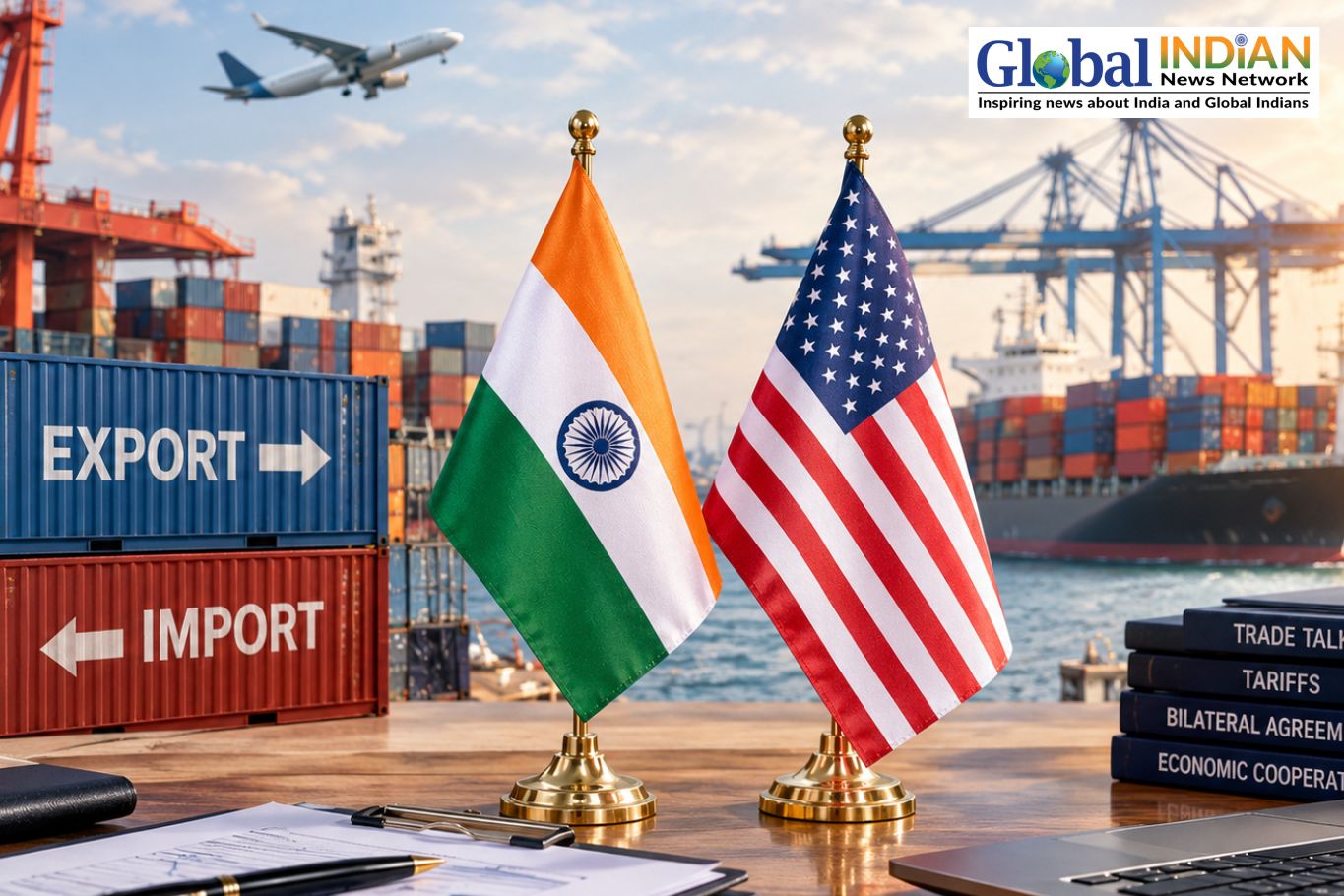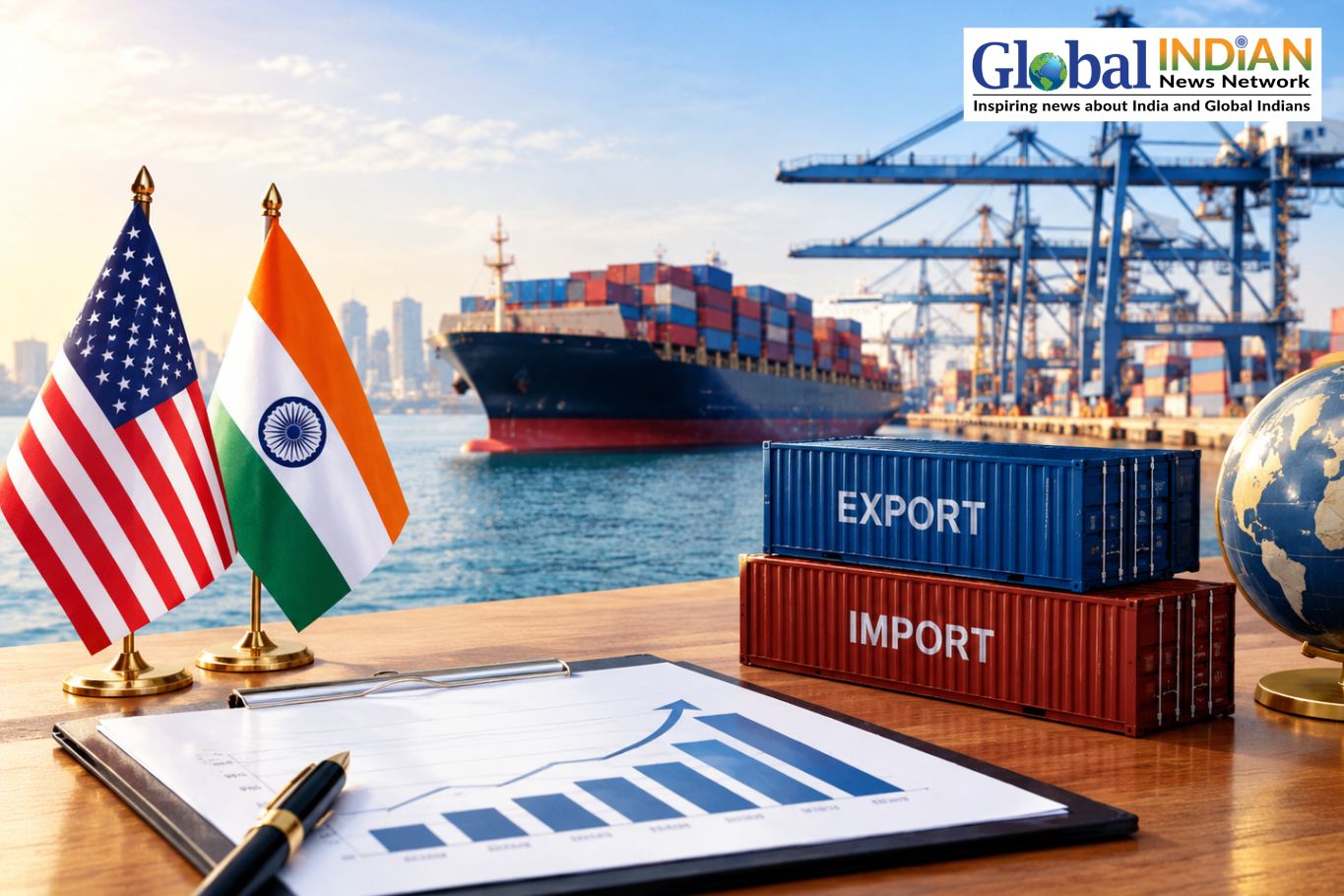
The United States is setting an ambitious target to more than double its trade with India, aiming to surpass $500 billion within the next three years. The initiative reflects Washington’s push to deepen economic engagement with New Delhi across strategic industries, including energy, defense, semiconductor manufacturing, and advanced artificial intelligence.
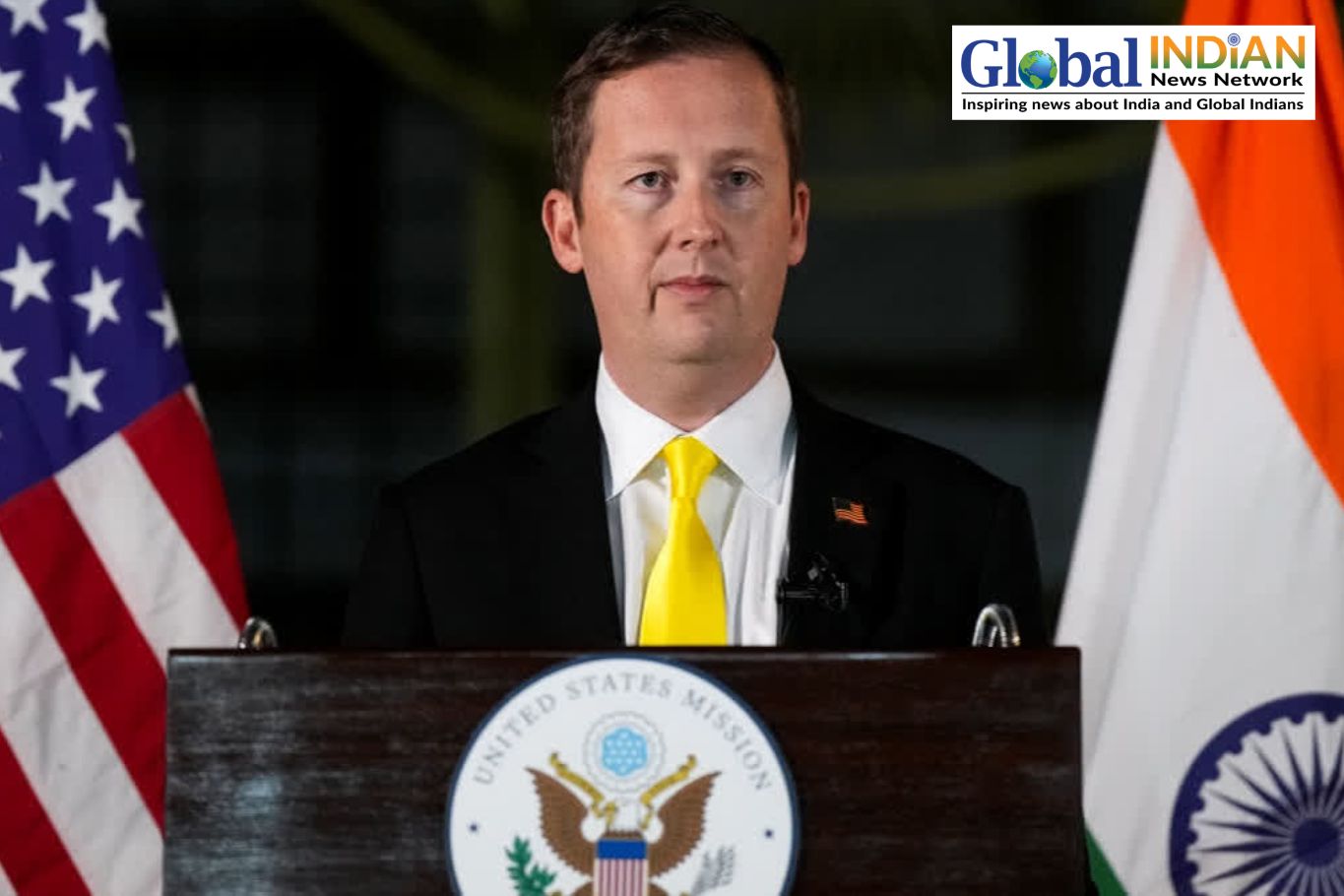
US Ambassador to India Sergio Gor announced the goal on October 20 while speaking to business leaders and diplomats at the Freedom 250 reception in Mumbai. He said bilateral trade had reached a record $240 billion, providing a strong foundation for further economic expansion.
Gor explained that President Donald Trump had given him a clear responsibility: turn diplomatic commitments into measurable outcomes. He added that Trump and Indian Prime Minister Narendra Modi had reiterated their commitment to strengthening economic ties during recent discussions. The new target, he said, would require sustained efforts to expand commercial cooperation.
- The proposed growth spans industries considered vital to future economic and national security interests. These include critical minerals, energy, defense, semiconductors, and advanced intelligence technologiesStrategic technology and energy cooperation
. Gor portrayed the partnership as extending beyond conventional trade, encompassing infrastructure, research, manufacturing, and commercial space exploration.
Mumbai remains central to this relationship, serving as a major base for American businesses and investors. According to Gor, more than 500 prominent US companies operate in the city, including Google, Meta, IBM, Procter & Gamble, Johnson & Johnson, Pfizer, Abbott, Merck, Citi, Bank of America, and JPMorgan Chase.
He also highlighted the substantial role of American institutional investors in Indian equity markets, describing their investments as a strong endorsement of India’s economic prospects.
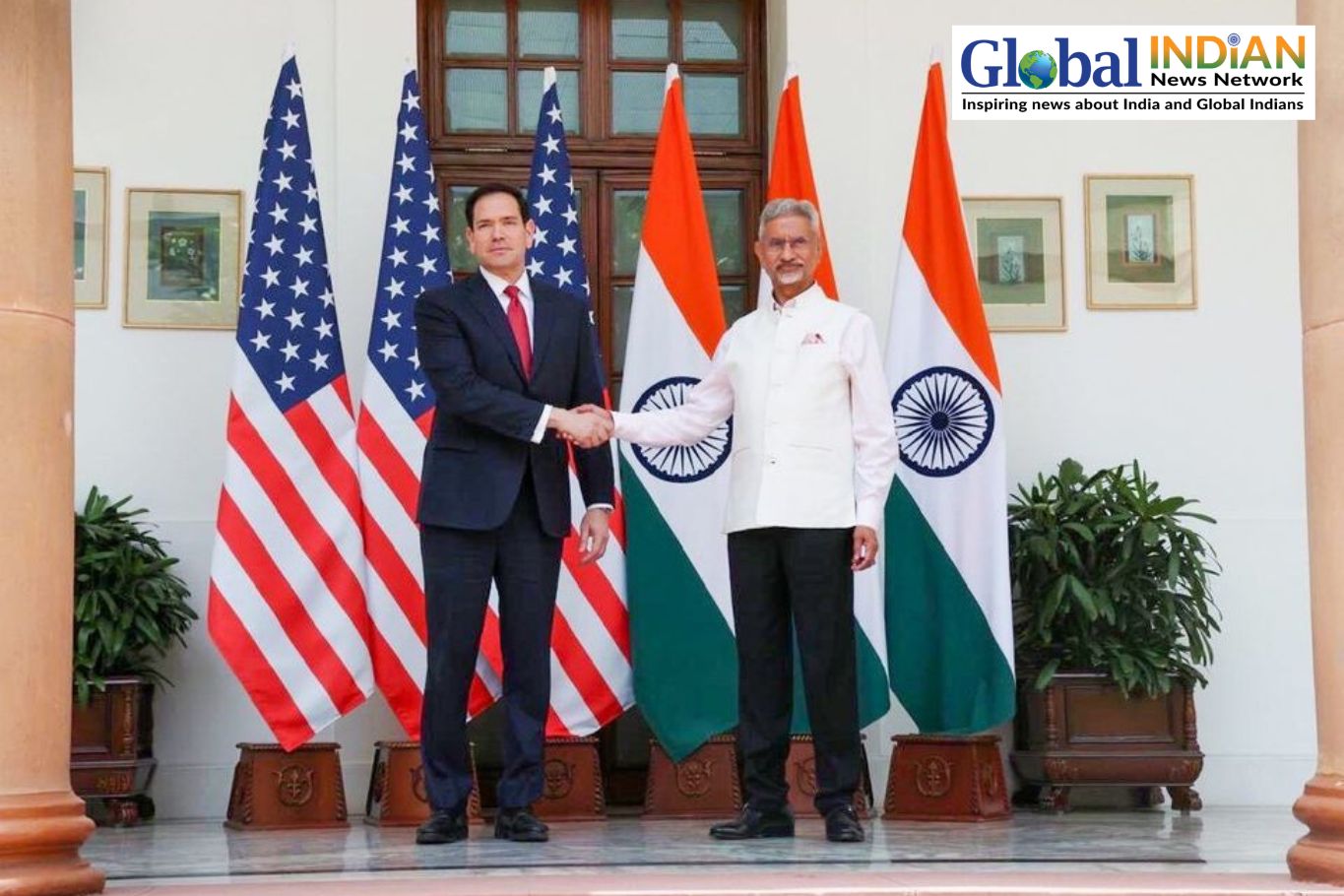
US Secretary of State Marco Rubio, who is visiting India from October 20 to 22, also emphasized the importance of the bilateral relationship. He acknowledged that the two governments would sometimes disagree but argued that their overlapping strategic interests offered significant opportunities for cooperation. He pointed to the countries’ economic strength and India’s growing population as factors that could help shape global developments in the 21st century.
The trade ambitions come as Washington and New Delhi work toward an interim trade agreement. Announced in February, the framework seeks to improve market access and address trade barriers. India’s Commerce Ministry has identified textiles, leather, engineering goods, and pharmaceuticals among the sectors covered by the proposed arrangement.
However, the final agreement remains under negotiation, with tariff concessions and implementation details yet to be confirmed.
India’s official trade figures show that merchandise exports to the United States reached $87.31 billion in fiscal year 2025–26. The source material does not provide a complete figure for India’s imports from the United States, making the total bilateral merchandise trade value unavailable from the supplied data.
Reaching the $500 billion ambition will depend on translating diplomatic commitments into concrete agreements, expanding business opportunities, and resolving outstanding trade issues. The target signals the scale of economic cooperation both governments hope to achieve in the coming years.