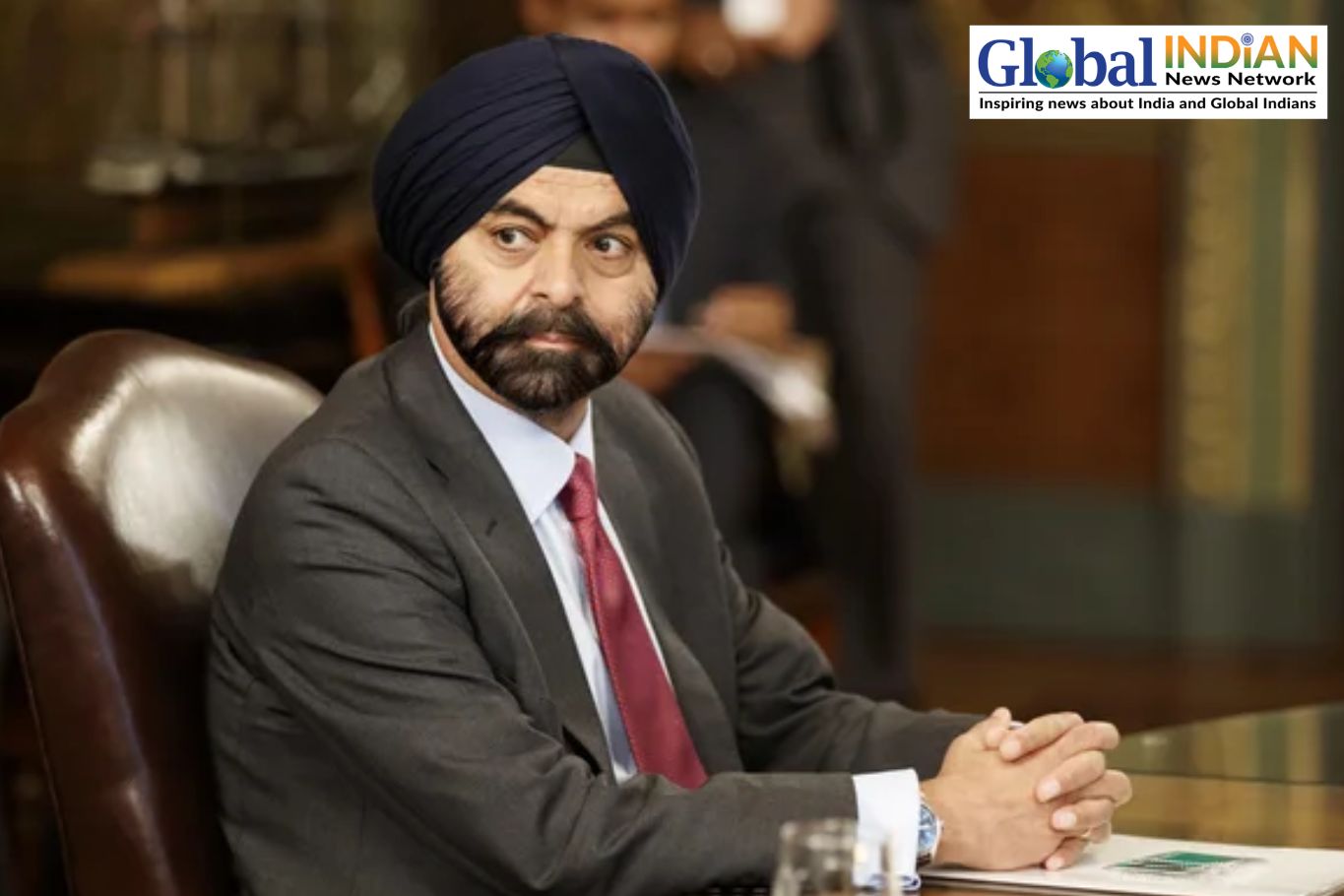
 The World Bank is putting nuclear energy back into its development strategy, with President Ajay Banga making financing for the sector a key priority, according to US Treasury Secretary Scott Bessent. The move represents a major change for an institution that has largely stayed away from nuclear power for several decades.
Speaking before the House Financial Services Committee, Bessent said the US Treasury had emphasized the importance of nuclear energy to Banga and that the World Bank chief had subsequently adopted the issue as a priority. He argued that nuclear power could help developing nations strengthen their economies by providing dependable electricity and supporting higher living standards.
The World Bank began rebuilding its involvement with nuclear energy in June 2025, ending a lengthy period of limited engagement with the sector. A significant step came through an agreement with the International Atomic Energy Agency (IAEA), which can provide technical knowledge to the bank. The partnership is expected to support existing nuclear facilities while also allowing the institution to assess technologies such as small modular reactors.
House Financial Services Committee Chairman French Hill also highlighted the creation of a Nuclear Energy Assistance Trust Fund. He said the fund had received its first contribution and expressed hope that additional US Treasury support would follow. Hill argued that developing economies require dependable and reasonably priced electricity to expand economic activity.
The renewed nuclear focus comes as the World Bank reassesses how it allocates development financing. The institution plans to phase out lending to China by 2031, a decision welcomed by Hill. He argued that China now has significant domestic financial resources and has developed into an important international creditor, making it less dependent on World Bank assistance.
Bessent also discussed China’s economic relationship with the International Monetary Fund, saying discussions are underway over economic imbalances and potential implications for global financial stability.
Banga, who was born in Pune, took over as World Bank president in June 2023 after previously serving as Mastercard’s chief executive. During his tenure, the bank has emphasized employment, infrastructure, private investment and broader access to reliable energy in developing economies.