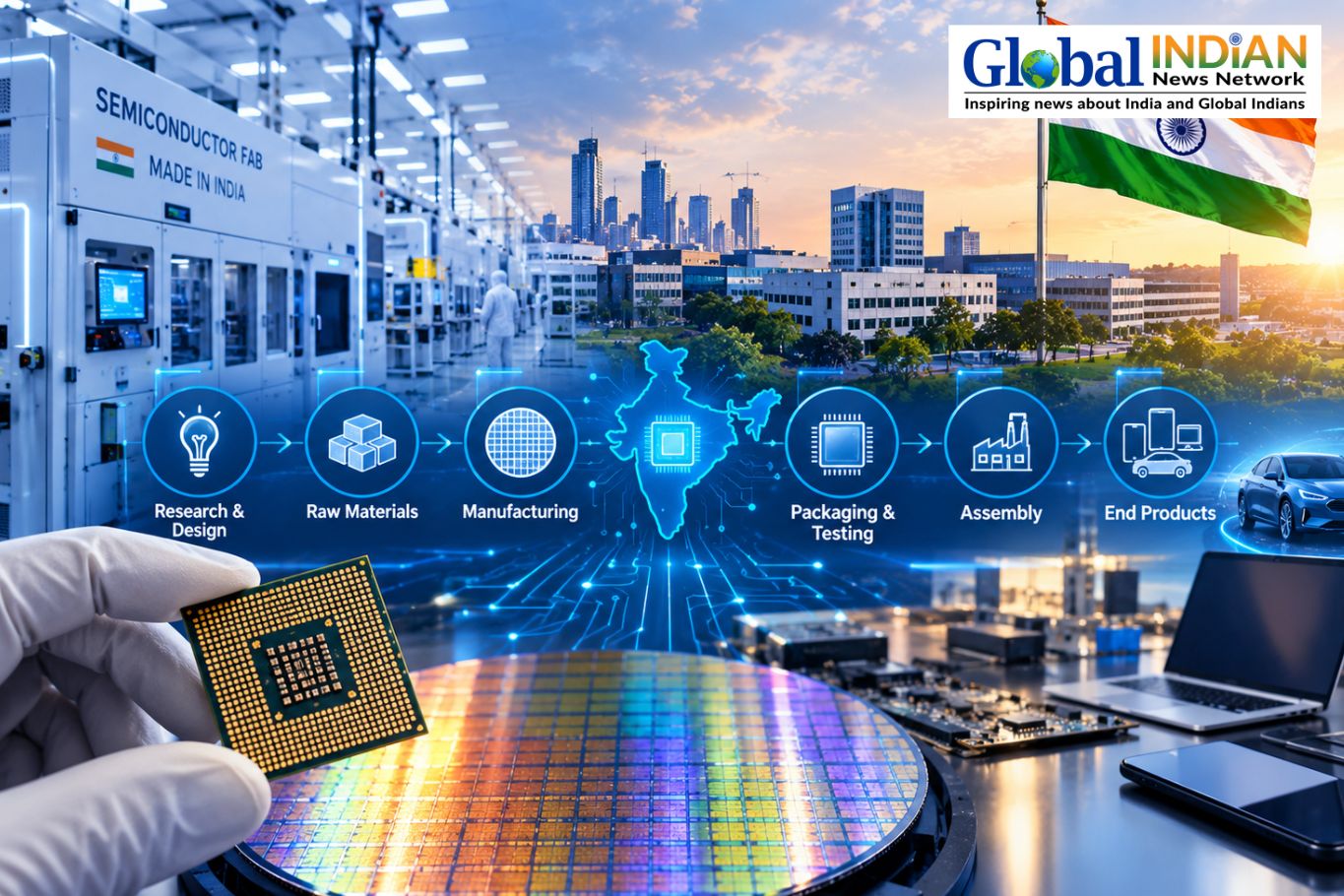
 India is entering a broader phase of its semiconductor development, shifting its focus from ambitions around chip manufacturing toward building a complete ecosystem covering design, packaging, testing, equipment, materials, research and skilled talent. The country’s expanding electronics industry is providing an important foundation for this transition.
Prime Minister Narendra Modi is scheduled to inaugurate SEMICON India 2026 at Yashobhoomi in Dwarka on September 17. The event, themed “Silicon to Systems: Building the Ecosystem,” is expected to highlight India’s efforts to develop capabilities across the semiconductor value chain rather than concentrating solely on fabrication.
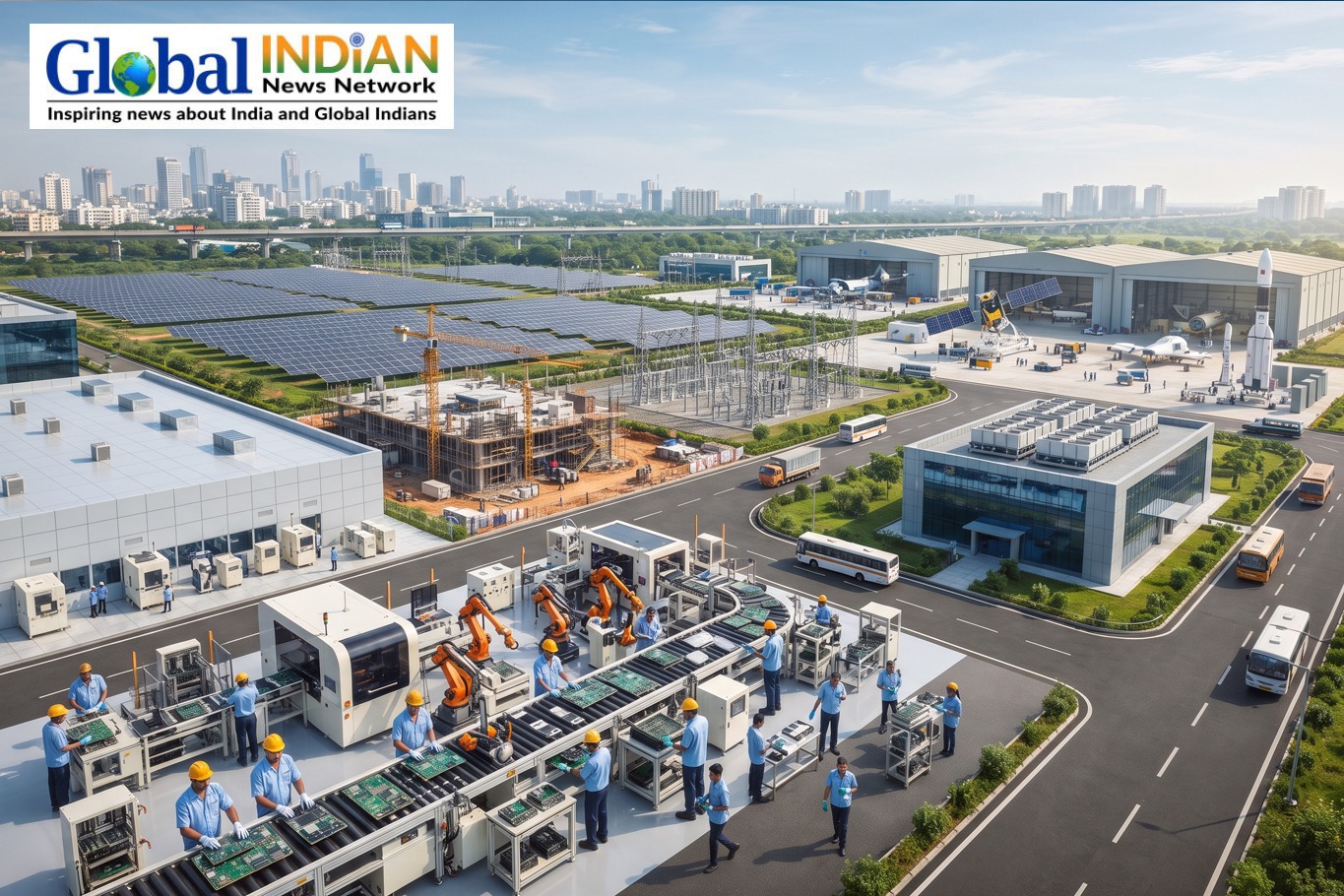
India’s electronics manufacturing sector has expanded substantially over the past decade. Production increased from about $31.06 billion in 2014-15 to approximately $148.35 billion in 2025-26. During the same period, electronics exports climbed from around $6.21 billion to nearly $47.98 billion, reflecting the country’s growing role in global electronics manufacturing.
The mobile phone industry has also recorded significant expansion. Production rose from roughly $2.94 billion in 2014-15 to about $70.94 billion in 2025-26. India now manufactures approximately 99.2% of the mobile phones used domestically and has moved into a position as a net exporter of mobile devices. The sector supports an estimated 2.5 million jobs.
Government support for the semiconductor sector began with the Semicon India programme in 2021, backed by an initial allocation of $10.21 billion. In July 2026, the government introduced Semicon India Programme 2.0 with a stated outlay of $134.25 billion, covering areas such as chip design, fabrication, semiconductor equipment, advanced packaging, research and development, and workforce development.
Twelve semiconductor projects have so far received approval across six states, representing investment commitments exceeding $172.68 billion. Three of the approved facilities have already entered commercial production, marking progress from planned investments toward operational capacity.
India is also seeking stronger international cooperation to reinforce semiconductor supply chains. Its participation in the Pax Silica coalition is intended to support greater resilience across global silicon supply networks.
SEMICON India 2026 will bring together more than 600 exhibitors, including 300 international companies, alongside over 150 speakers. The event is expected to provide a platform for industry leaders, technology companies and policymakers to examine India’s growing semiconductor capabilities and the development of a wider domestic ecosystem.