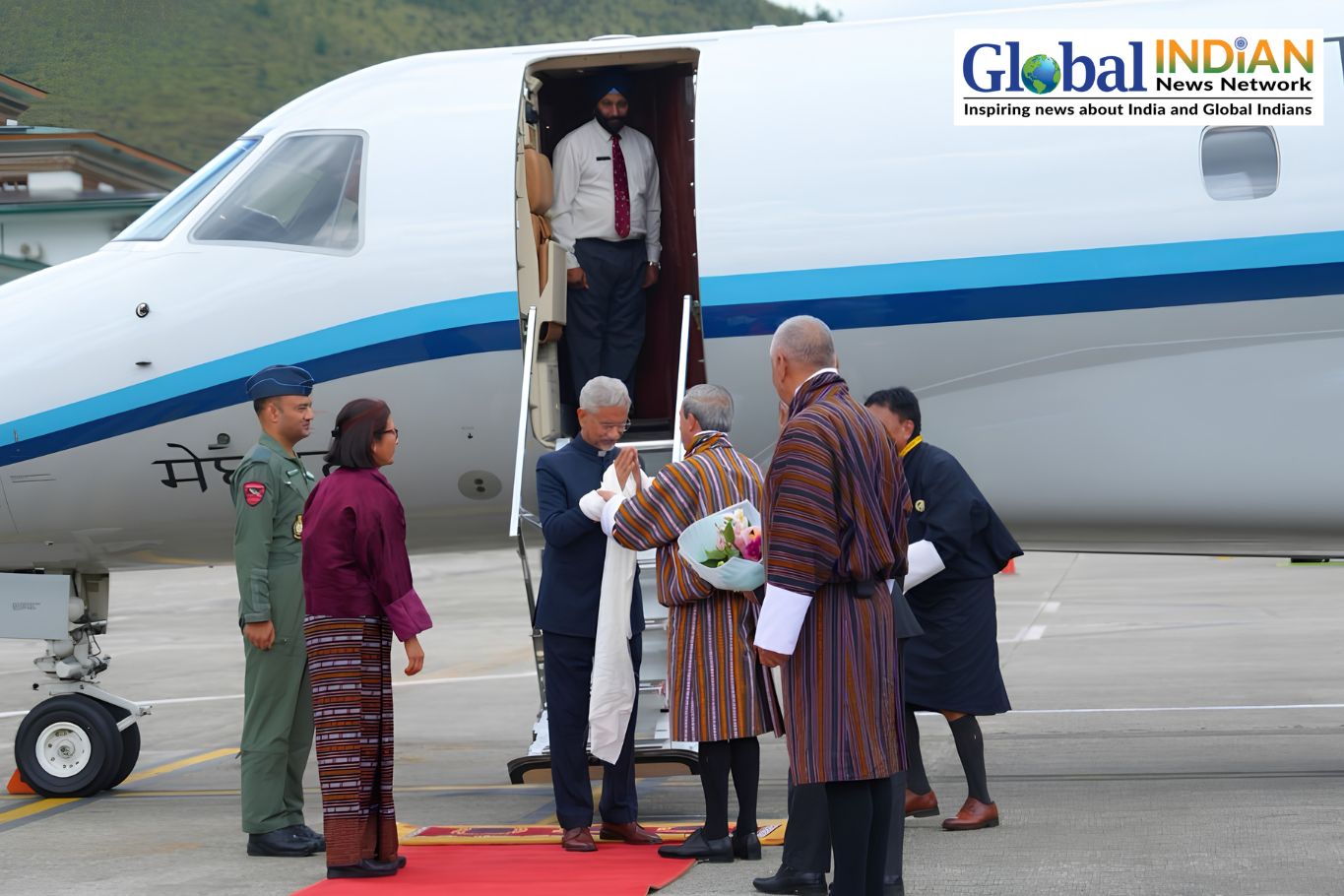
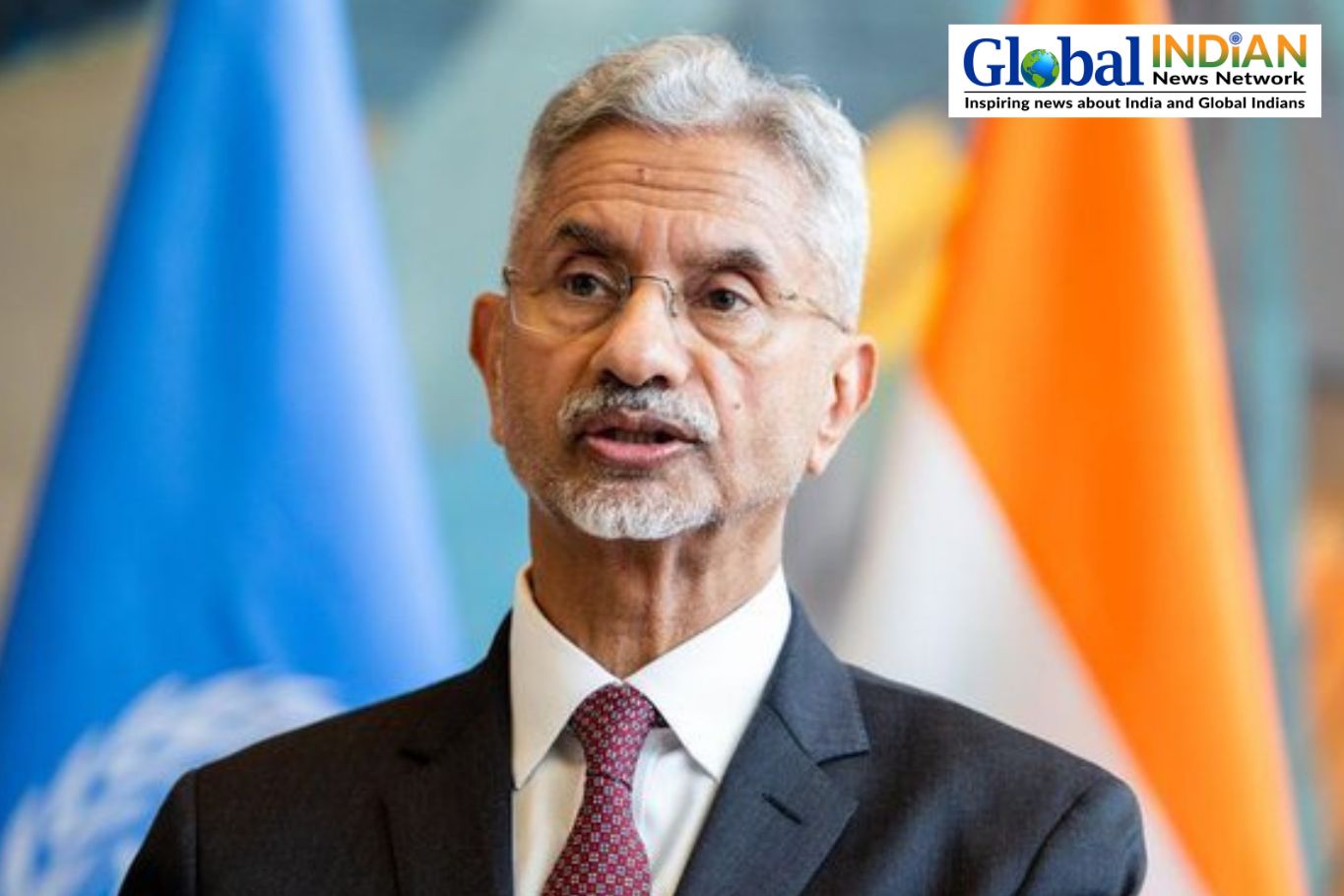
 India’s expanding global footprint requires a diplomatic approach that can evolve with changing international realities, External Affairs Minister S. Jaishankar said Tuesday. Speaking at the opening session marking the 25th anniversary of the Indian Council of World Affairs (ICWA) in New Delhi, he stressed that India’s growing interests and widening network of partners demand continuous reassessment of its foreign policy choices.
Jaishankar pointed to the ongoing conflicts in the Gulf and Ukraine as examples of the challenges facing Indian diplomacy. With New Delhi maintaining relationships with multiple sides in both situations, he said there is no simple formula for responding to such crises. Instead, India needs to carefully balance competing interests and focus on practical outcomes rather than rigid positions.
He also highlighted broader pressures affecting the global economy, including the increasing use of trade and economic measures as strategic tools, unpredictable tariff policies and rising competition between countries. In such an environment, he argued, India must consider how best to prevent, manage or reduce emerging risks.
According to Jaishankar, India’s transformation into a country with broader international interests and greater exposure to global developments makes adaptability essential. He said diplomatic responses should be continuously refined, with strategic optimization often proving more effective than choosing between absolute positions.
The minister also underlined the importance of developing approaches suited specifically to India. While the country can learn from the experiences of other nations, its own history, priorities and circumstances require customized solutions. He described diplomacy as an exercise that depends heavily on nuance and said institutions such as ICWA can provide an important forum for these discussions.
Reflecting on ICWA’s journey, Jaishankar noted that the institution has spent decades examining international affairs and strengthening India’s intellectual engagement with the wider world. Its recognition by Parliament as an institution of national importance, he said, reflects the distinctive role it has played in this area.
He added that India now interacts with a significantly broader range of countries and regions, while its global responsibilities and international expectations have also increased. As New Delhi speaks with greater confidence on issues affecting the Global South and other global challenges, its intellectual engagement must evolve alongside its international role.
Jaishankar said ICWA can help advance this effort by encouraging discussions rooted in Indian experiences and perspectives. He stressed that a rising India should contribute its own ideas, concepts and terminology to international relations while actively participating in debates surrounding the emergence of a major global power.