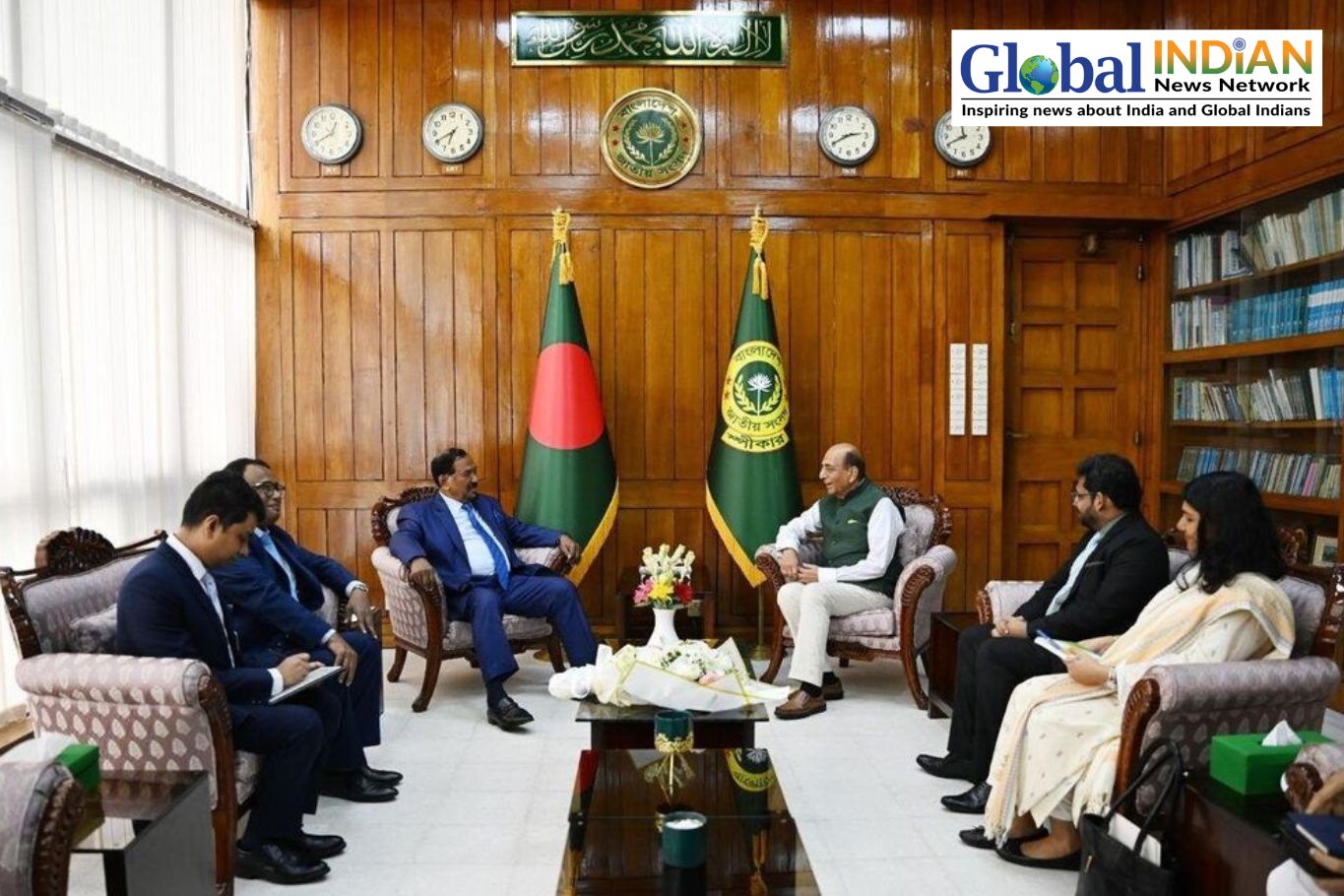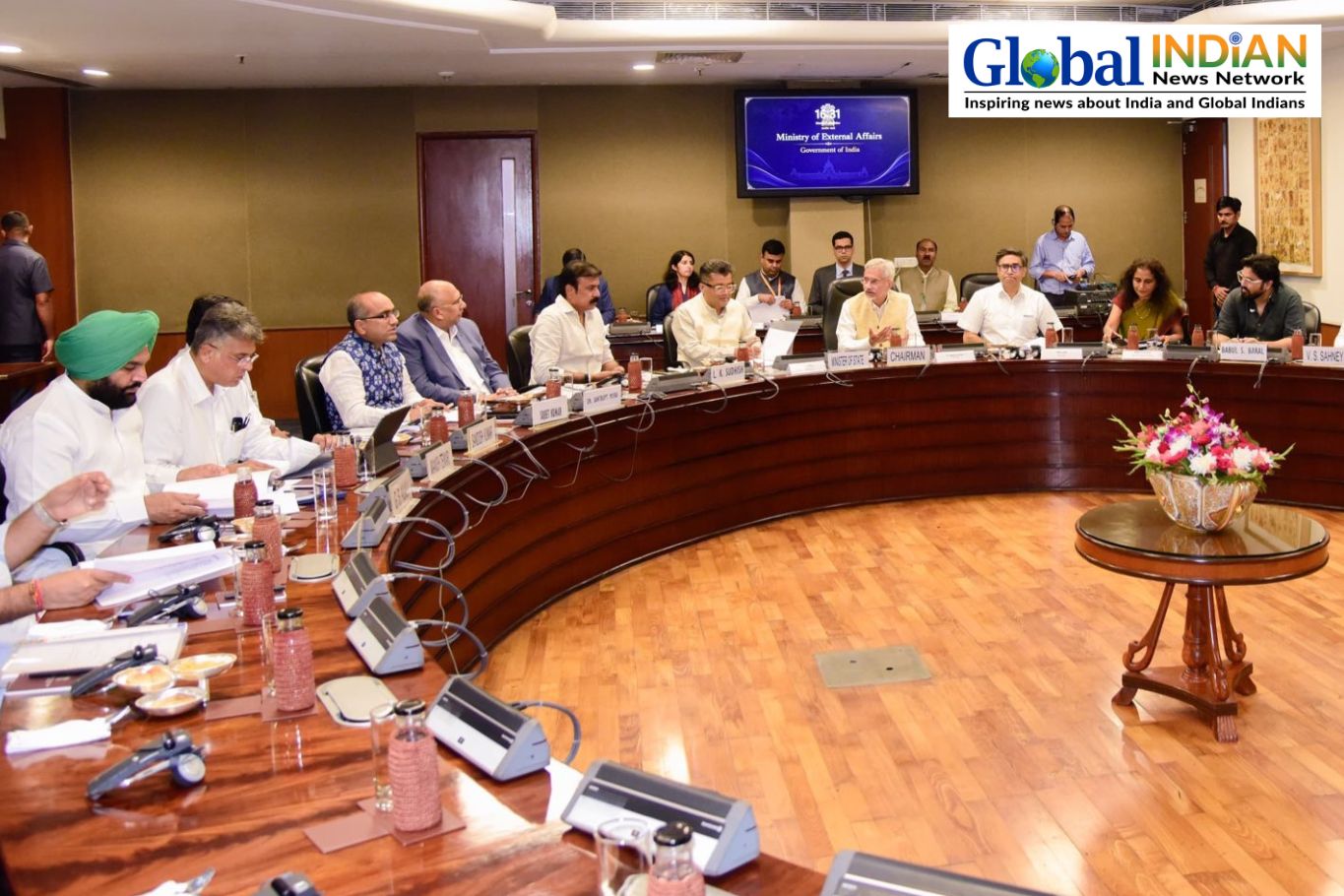
External Affairs Minister S. Jaishankar has emphasized the importance of India’s longstanding relationships with the Gulf and the wider West Asia and North Africa region as the ongoing conflict continues to create economic and security challenges. He discussed the country’s regional priorities during a Consultative Committee meeting held in New Delhi on September 7.
Jaishankar highlighted the broad nature of India’s engagement with countries across the region, pointing to established partnerships covering commerce, investment, energy, maritime cooperation, and connections between people. These relationships have become particularly significant as instability in West Asia raises concerns over energy supplies, trade routes, and the safety of Indian citizens working and living in affected areas.
A major focus of the discussion was the welfare of millions of Indians in the region. Jaishankar said the government is continuing efforts to protect their interests while maintaining essential economic and strategic links with West Asian countries. India is also working to preserve energy and fertilizer supplies while keeping trade and connectivity channels functioning despite the conflict.
Minister of State for External Affairs Pabitra Margherita, Foreign Secretary Vikram Misri, and other senior officials participated in the meeting. Their discussions come against the backdrop of continued government efforts to assess and manage the potential impact of the regional crisis on India.
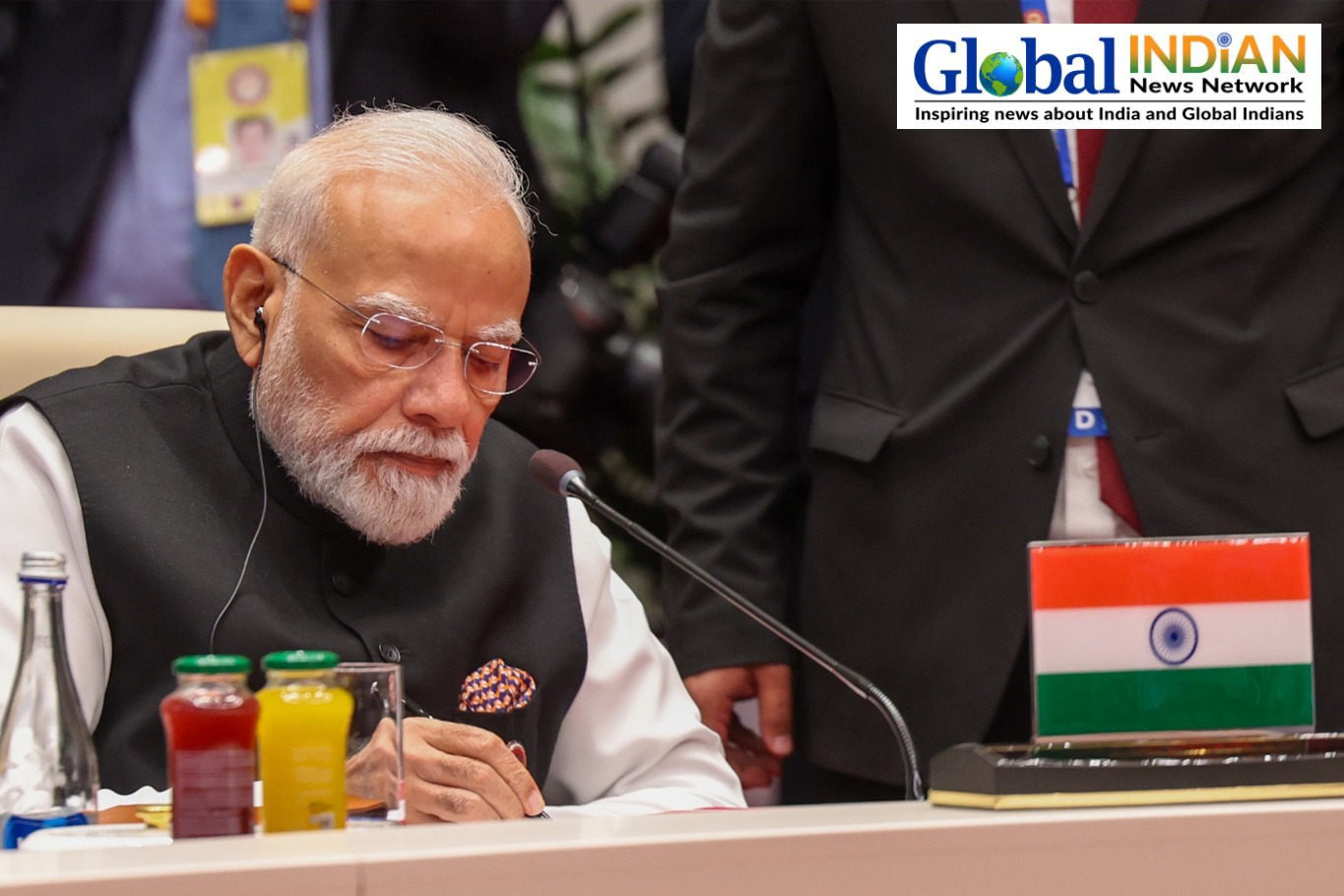
Earlier, Prime Minister Narendra Modi chaired a meeting of the Cabinet Committee on Security to examine India’s preparedness as tensions in West Asia intensified. The review covered several areas considered critical to the country’s economic stability, including petroleum products, liquefied natural gas, liquefied petroleum gas, and fertilizers.
The government has taken steps to diversify sources for LPG supplies, while domestic refineries have continued operating at high utilization levels to maintain the availability of fuel products. Authorities have also been monitoring fertilizer supplies ahead of the Rabi agricultural season and examining alternative procurement options to prevent disruptions.
Natural gas access has also received attention, with efforts underway to expand piped natural gas connections. Ensuring reliable energy availability remains particularly important because prolonged disruption in global energy markets could affect transportation, industry, and household costs.
The safety of Indian seafarers operating on domestic and foreign-flagged vessels in conflict-affected areas was another important concern. The government has been working on mechanisms to provide these workers and their families with timely updates, emergency assistance, and counseling when required.
As the conflict continues, India’s approach is centered on balancing regional relationships with domestic economic security. Maintaining stable energy and fertilizer supplies, protecting Indian citizens, and preserving trade and connectivity remain key priorities while New Delhi closely monitors developments across West Asia.