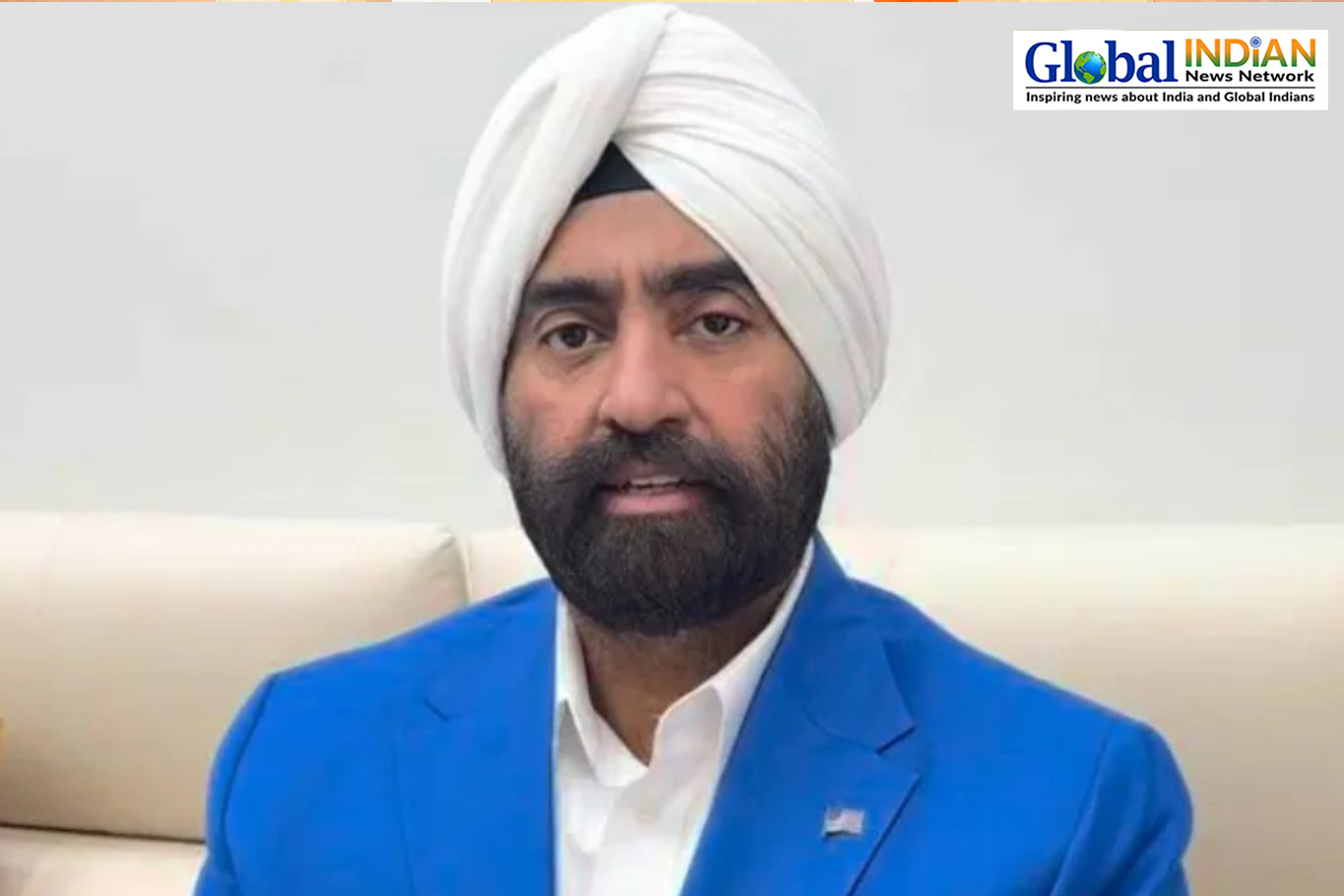
 Sikh American leader Jasdip Singh Jassee has welcomed RSS chief Mohan Bhagwat’s visit to the United States, describing it as a potential opportunity for direct communication on concerns affecting Sikh and other minority communities.
Jassee said Bhagwat’s current US engagements have attracted significant attention because of their scale and visibility. He noted that the RSS chief’s planned interactions with members of the Indian American community represent an unusually prominent appearance in the country and could provide an important platform for broader discussions.
According to Jassee, Bhagwat’s visit also highlights the importance of freedom of expression in the United States. He said American society allows organizations and individuals to participate publicly even when their views may face criticism or opposition.
The Sikh American leader acknowledged that the RSS has faced criticism in certain sections of the US community. Rather than allowing disagreements to deepen, he suggested that Bhagwat use his visit to explain the organization’s purpose, values and long-term objectives directly to American audiences.
Jassee also anticipated demonstrations during Bhagwat’s visit but emphasized that peaceful protests are part of the democratic process. At the same time, he argued that meaningful conversations could be more effective in resolving disagreements and addressing concerns than confrontation.
He further said he would be willing to discuss issues concerning the Sikh community with Bhagwat if an opportunity for a direct meeting emerged. Jassee described such an interaction as a chance to raise minority-related concerns while encouraging constructive communication.
The RSS, or Rashtriya Swayamsevak Sangh, was established in Nagpur in 1925 and completed 100 years in 2025. Over the decades, it has built a broad network of affiliated organizations involved in areas including social work, education, culture and public life.
Bhagwat has led the organization as its Sar Sanghchalak, or chief, since 2009. His US visit has consequently generated attention not only among supporters but also among communities and groups seeking greater clarity about the organization’s ideology and activities.
Jassee’s comments underline the potential for dialogue to bridge differences, particularly when questions surrounding minority communities and the RSS remain subjects of discussion in the United States.