India’s next phase of digital growth could increasingly come from small businesses, farmers and workers outside the country’s largest urban centers, according to Google India Managing Director Preeti Lobana. Speaking at the ET World Leaders Forum 2026, Lobana highlighted the importance of ensuring that artificial intelligence becomes accessible to a much broader section of India’s economy.
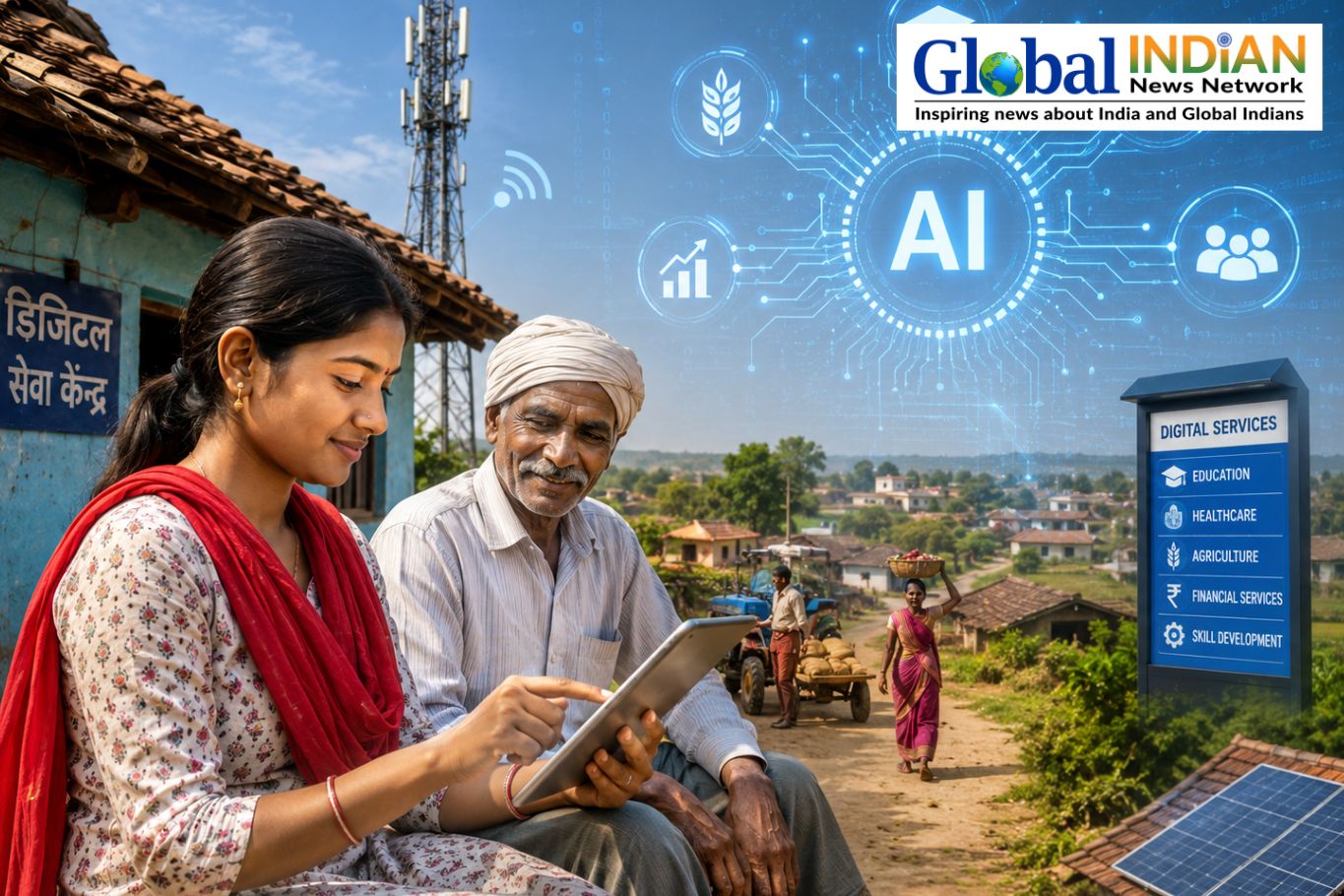
As India works toward its goal of building a $1 trillion digital economy, Lobana emphasized that growth cannot remain concentrated among large corporations or a relatively small number of technology users. Businesses and communities in Tier-2 and Tier-3 cities, as well as rural regions, could become important contributors to the country’s digital expansion if they gain wider access to AI tools and infrastructure.
Small enterprises, agricultural communities and individual workers represent a significant part of India’s economic base. Greater use of digital technologies could help these groups improve productivity, access new opportunities and participate more actively in the technology-driven economy.
The conversation also reflected a shift in how businesses are approaching artificial intelligence. Companies are increasingly moving beyond simply testing AI and are beginning to incorporate the technology into everyday operations. This transition could make AI a more practical tool for solving business challenges rather than remaining largely an experimental technology.
Cybersecurity is another area where AI could provide meaningful benefits. As more individuals and businesses move their activities online, stronger digital protection will become increasingly important. AI-powered systems could help identify threats and improve security for both enterprises and users.
However, broader adoption will depend on the availability of reliable digital infrastructure and sufficient computing capacity. Without these foundations, smaller businesses and communities may struggle to access advanced AI capabilities at the scale required for widespread adoption.
Expanding infrastructure beyond India’s major technology hubs could therefore play a crucial role in making digital growth more inclusive. Bringing stronger connectivity, computing resources and AI access to smaller cities and rural areas could allow more people to benefit from technological advances.
With 2030 approaching, integrating smaller enterprises, farmers and workers into India’s growing digital ecosystem could become an important part of the country’s economic strategy. Wider AI adoption has the potential to distribute the benefits of digital transformation across a much larger portion of India’s population and economy.