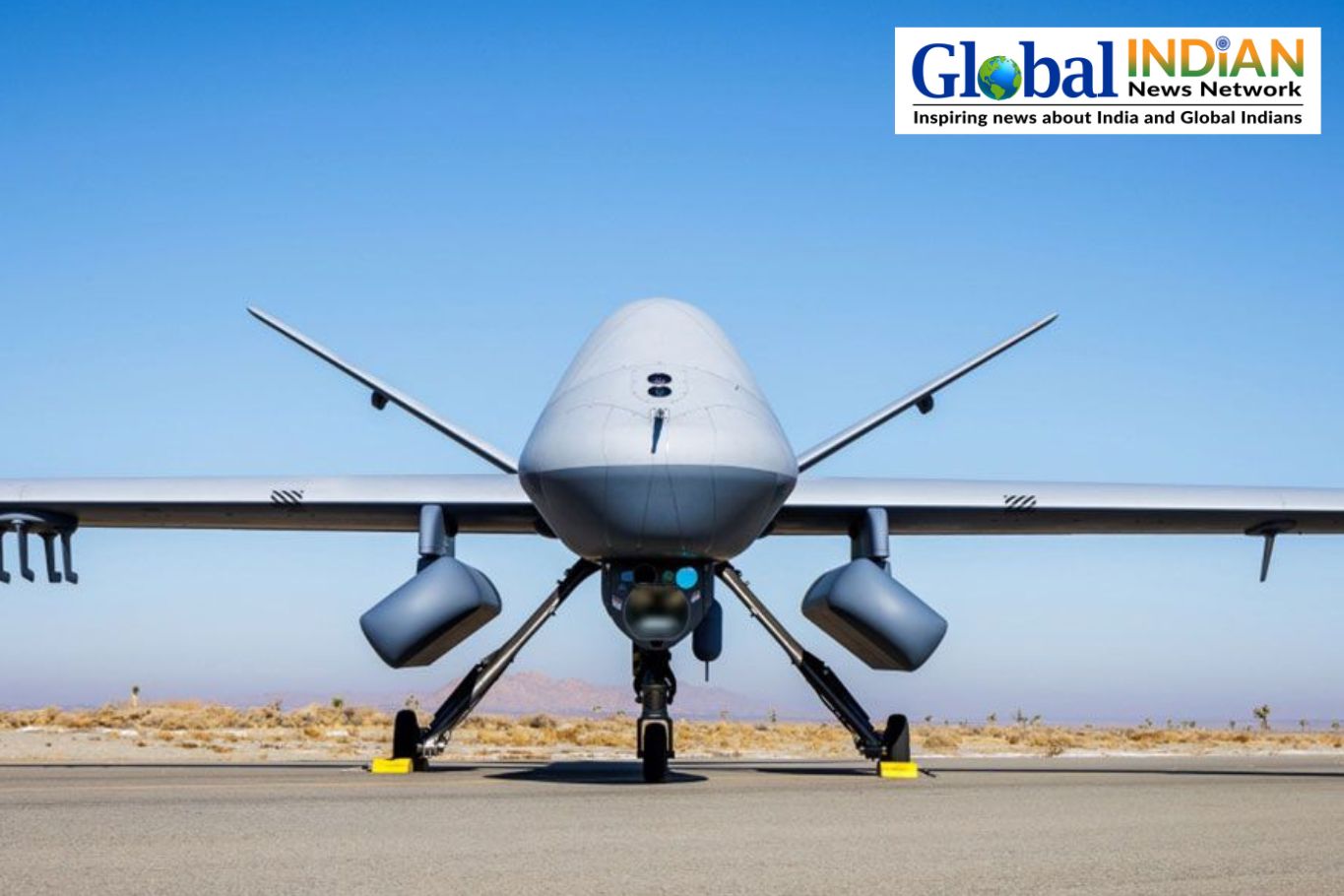
The United States has welcomed India’s decision to lease two MQ-9B Sea Guardian aircraft for the Indian Navy, describing the agreement as an important step toward stronger maritime security cooperation between the two countries.
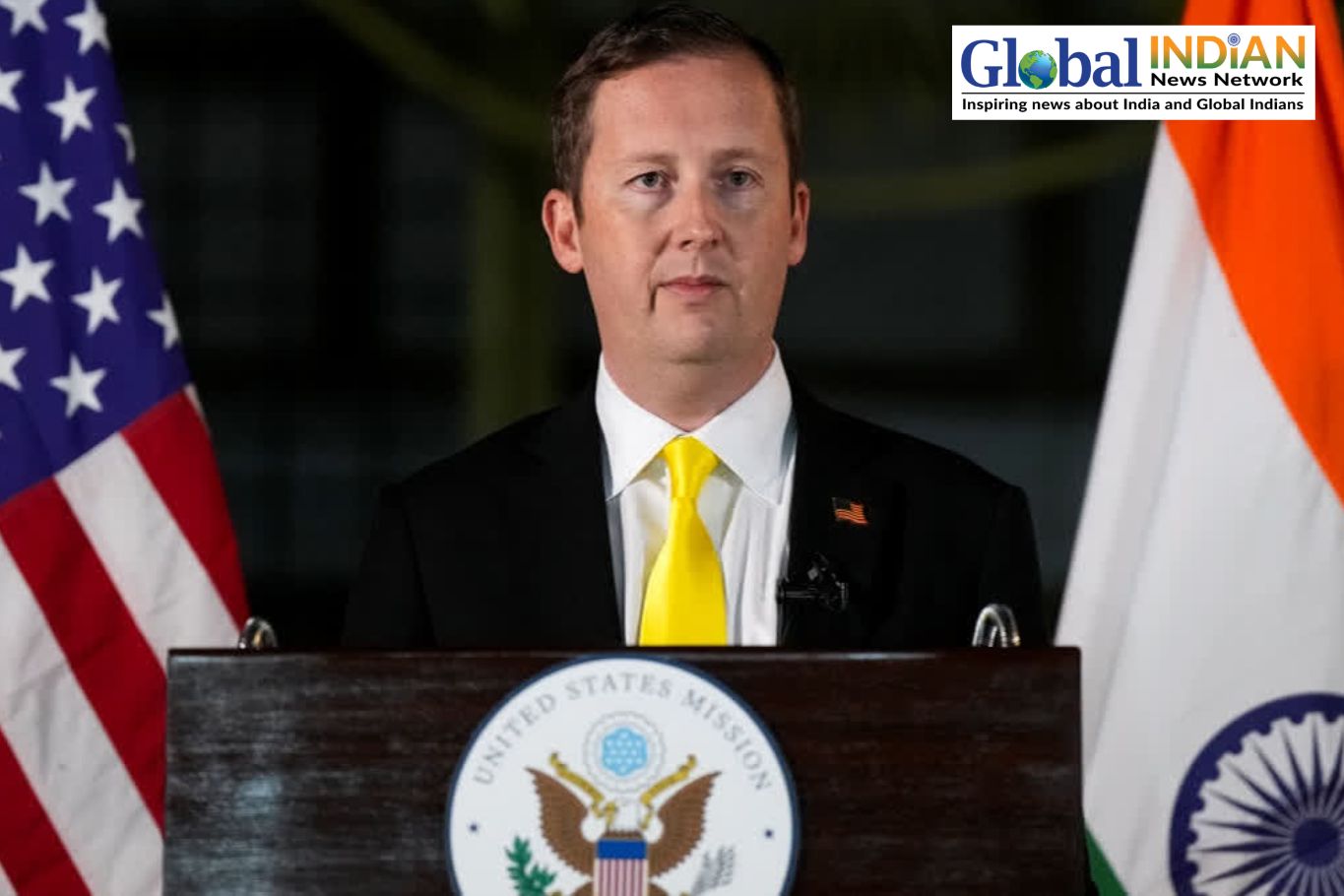
The US Embassy in India said the new capability would improve India’s maritime domain awareness and provide persistent intelligence, surveillance and reconnaissance coverage across the Indian Ocean Region. Washington also linked the development to its broader goal of supporting a free, open and secure Indo-Pacific.
The statement comes after India’s Ministry of Defense finalized an agreement with General Atomics Aeronautical Systems, Inc. to lease two MQ-9B Sea Guardian High-Altitude Long-Endurance remotely piloted aircraft systems for 30 months. The contract, worth approximately $225 million, was signed in New Delhi on Monday.
The MQ-9B Sea Guardian platforms are equipped with advanced mission systems, sophisticated sensors and specialized payloads designed to support extended maritime surveillance operations. Their deployment is expected to give the Indian Navy greater visibility across large areas of ocean and strengthen its ability to monitor activity at sea.
With their long-endurance capabilities, the aircraft can support sustained intelligence, surveillance and reconnaissance missions. This could allow naval authorities to maintain a continuous watch over strategically important maritime areas, track developments and gather information needed to evaluate potential changes in the operating environment.
The systems are expected to be particularly valuable across the Indian Ocean Region, where maintaining awareness of maritime movements is an important component of regional security. Improved surveillance could help India identify and assess developments over wider stretches of water and respond more efficiently when situations evolve.
The agreement also adds momentum to the expanding defense relationship between India and the United States. The US Embassy said it expects continued progress in the bilateral defense partnership, signaling Washington’s interest in further cooperation on capabilities that support shared security objectives.
For India, the lease provides access to advanced long-endurance surveillance technology while expanding the Navy’s ability to maintain persistent coverage over distant maritime areas. The arrangement may also provide operational experience with the MQ-9B platform as India continues strengthening its maritime monitoring capabilities.
The US endorsement underscores the strategic importance Washington places on India’s growing role in maintaining security across the Indo-Pacific. Together, the agreement and the diplomatic response point to continued efforts by both countries to deepen defense cooperation and strengthen maritime awareness in the region.