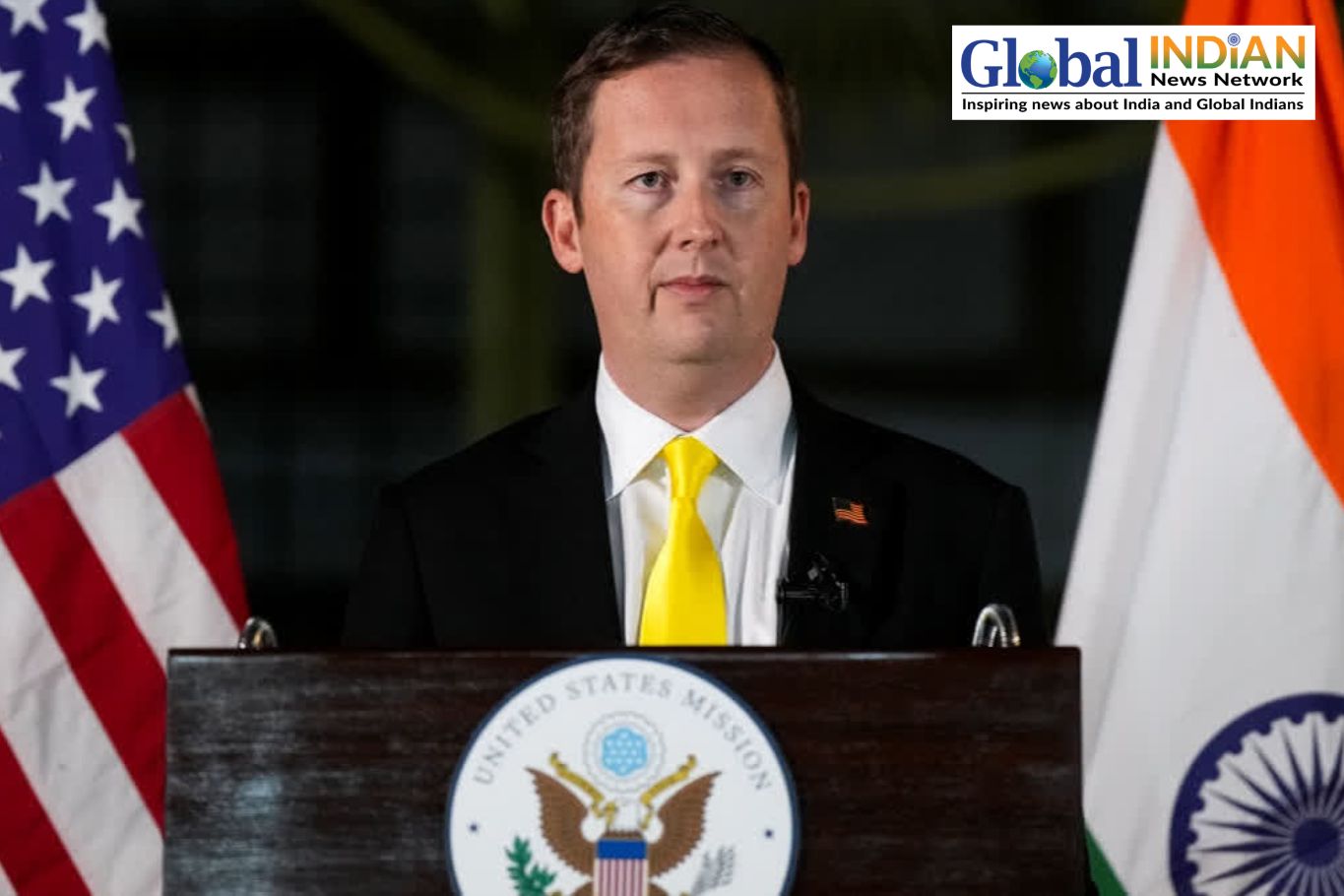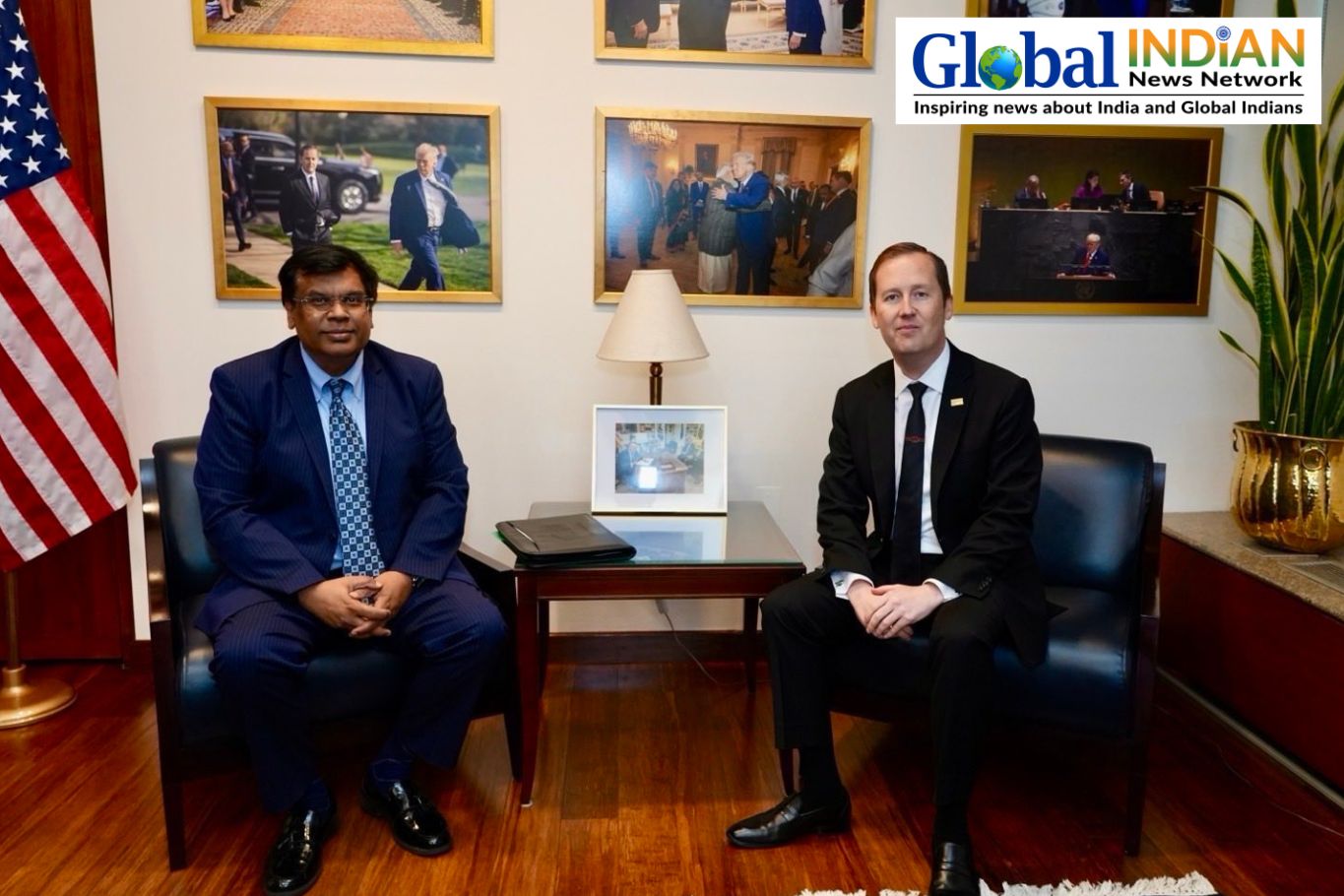
US Ambassador Sergio Gor and General Atomics executive Vivek Lall discussed opportunities to expand cooperation between Washington and New Delhi in aerospace, defense and energy during a meeting in New Delhi on August 17.
Gor said the talks covered collaboration in advanced technologies and nuclear energy, alongside broader engagement in strategic sectors. The meeting took place as India moved ahead with a new arrangement involving General Atomics Aeronautical Systems, underscoring the company’s growing role in strengthening India’s maritime security capabilities.
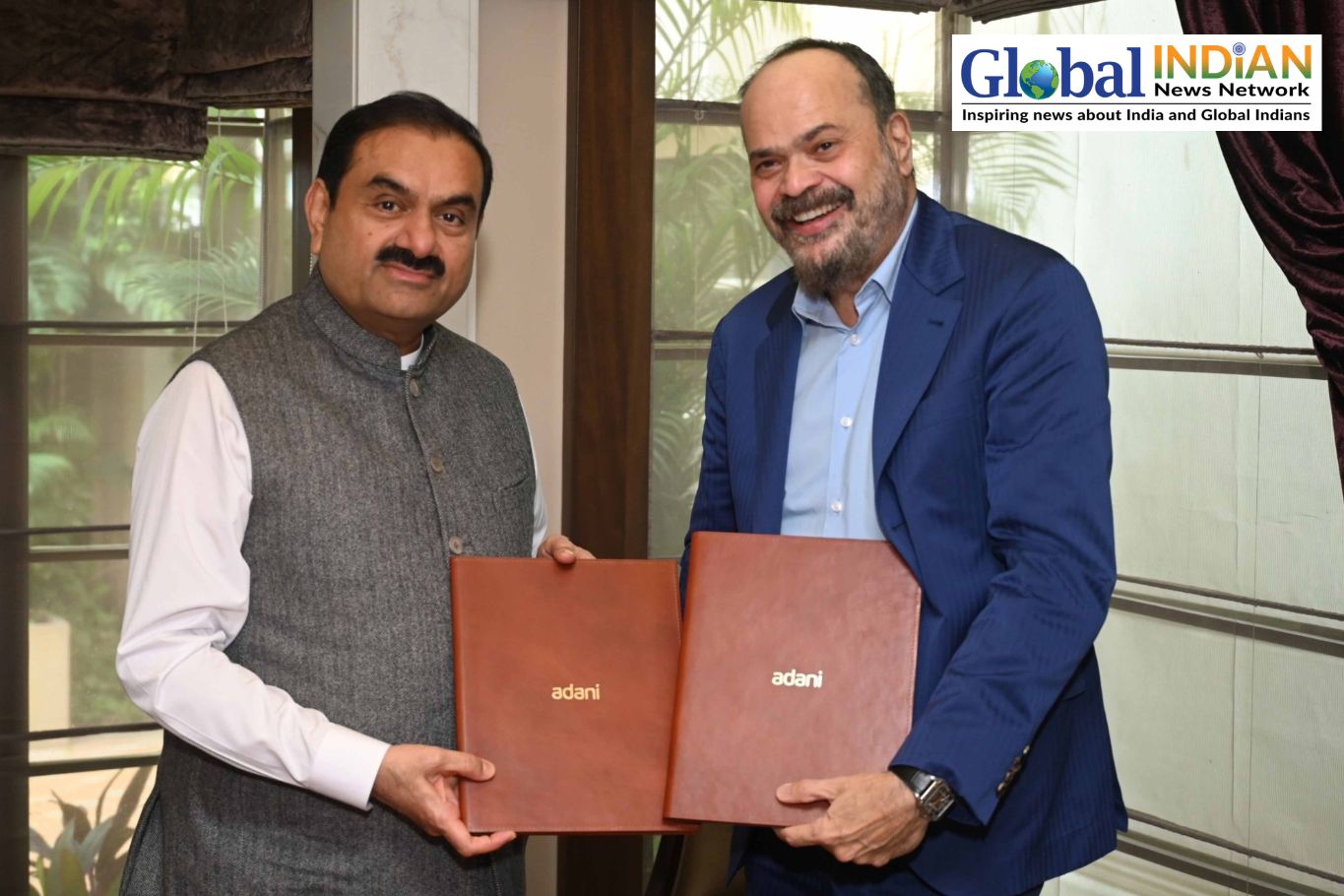
Earlier that day, India’s Ministry of Defense announced a contract with General Atomics Aeronautical Systems to lease two MQ-9B SeaGuardian remotely piloted aircraft systems to the Indian Navy for 30 months. The agreement, signed in New Delhi, is valued at approximately $225 million.
The SeaGuardian aircraft are designed for long-duration, high-altitude operations and feature sophisticated sensors, mission systems and advanced payloads. For the Indian Navy, the platforms are expected to improve its ability to observe maritime activity across extensive areas and maintain a continuous understanding of developments at sea.
One of the principal advantages will be enhanced intelligence, surveillance and reconnaissance coverage. Their ability to remain airborne for extended periods can support persistent monitoring across large sections of the maritime domain, providing naval authorities with additional information to assess changing situations and identify activities requiring attention.
The deployment is especially significant for the Indian Ocean Region, where comprehensive maritime awareness is increasingly important for national security and regional stability. The aircraft are expected to help the Navy monitor activity across distant waters while strengthening its ability to assess emerging developments and respond more effectively.
The agreement also highlights the expanding strategic partnership between India and the United States. Defense and advanced technology cooperation between the two countries has grown in recent years, with both sides seeking stronger capabilities in areas supporting security, innovation and technological development.
The discussion between Gor and Lall consequently extends beyond the aircraft lease. Its focus on aerospace, defense, energy and advanced technologies reflects a broader effort to build cooperation across several strategic sectors.
For the Indian Navy, the 30-month lease offers an opportunity to gain operational experience with advanced surveillance platforms while strengthening maritime monitoring capabilities. It also provides another avenue for closer engagement between Indian defense institutions and US technology providers as both countries pursue deeper strategic cooperation.