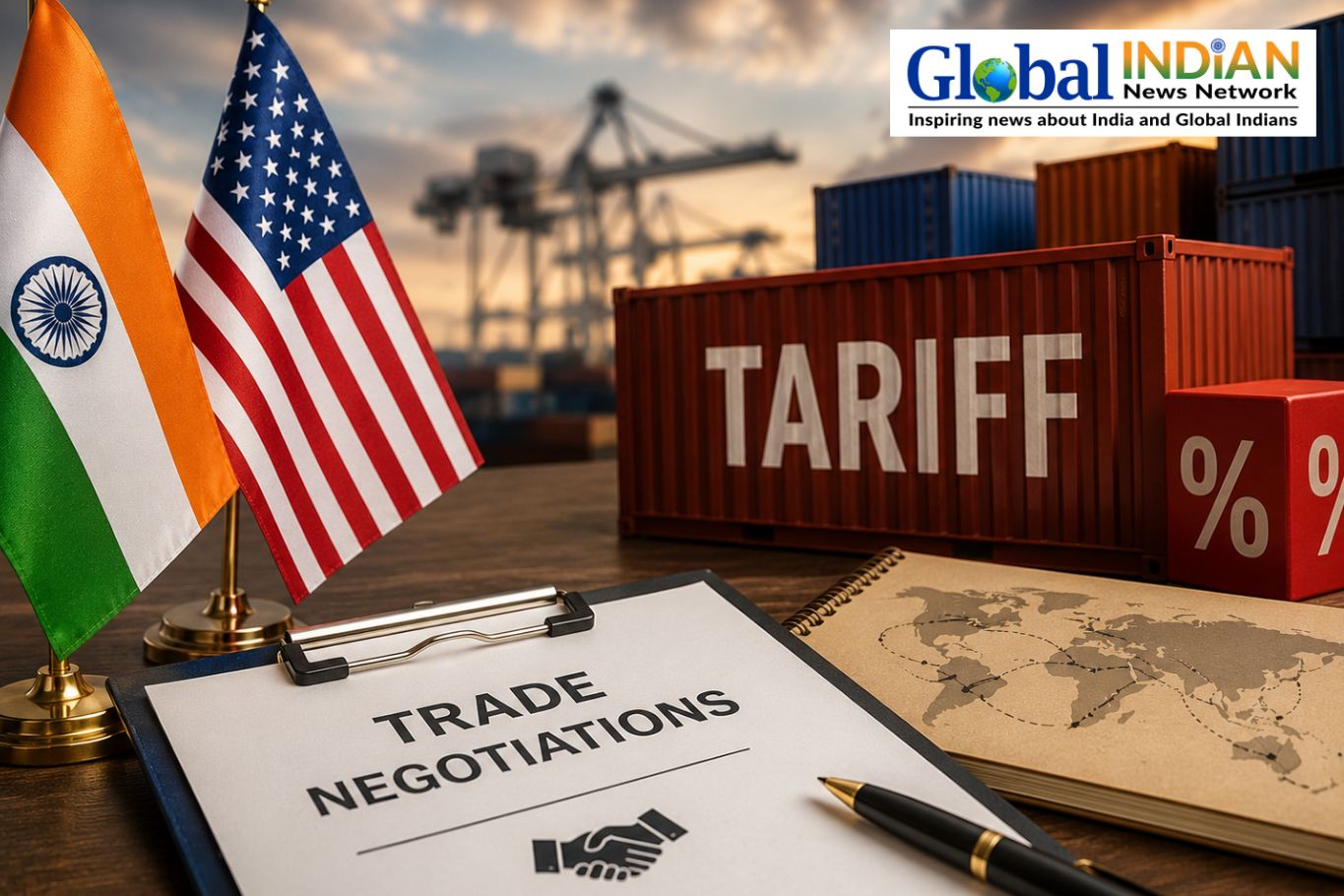
India has reaffirmed its commitment to ongoing trade discussions with the United States following Washington’s decision to introduce a 10% tariff on imports from the country. The Indian government said it would continue working toward completing a bilateral trade agreement with the US while addressing sector-specific concerns during negotiations.
The latest tariff measures announced by the Trump administration include duties ranging from 10% to 12.5% on goods from 60 trading partners. The US stated that the move was aimed at addressing concerns related to imports linked to forced labor practices. India’s newly imposed tariff rate is lower than the 12.5% duty that had been considered earlier in June.
According to India’s commerce ministry, several important categories, including generic medicines, smartphones, steel, aluminum, and automotive components, have been excluded from the additional tariff. The ministry noted that around 45% of India’s exports to the US would remain unaffected due to these exemptions, while approximately 55% of shipments would be subject to the additional 10% charge.
The new tariff will be applied in addition to existing US most-favored-nation duties, potentially increasing costs for some Indian exporters. Despite the policy change, both nations are continuing discussions to resolve trade-related challenges and improve market access opportunities.
India and the US have been negotiating a bilateral trade agreement since last year as both sides aim to expand economic cooperation and strengthen commercial ties. The Indian government emphasized that it remains focused on achieving an early conclusion of the agreement while continuing dialogue on industries that require further attention, including textiles.
The revised tariff structure could create difficulties for Indian textile and apparel exporters, who may face stronger competition from other Asian suppliers that receive more favorable trade treatment. Industry participants are closely monitoring the impact of the new duties on export competitiveness and future business prospects.
The latest development highlights the complexities involved in balancing trade relationships, protecting domestic interests, and encouraging international economic partnerships. Both India and the US are expected to continue negotiations as they work toward a mutually beneficial trade framework.