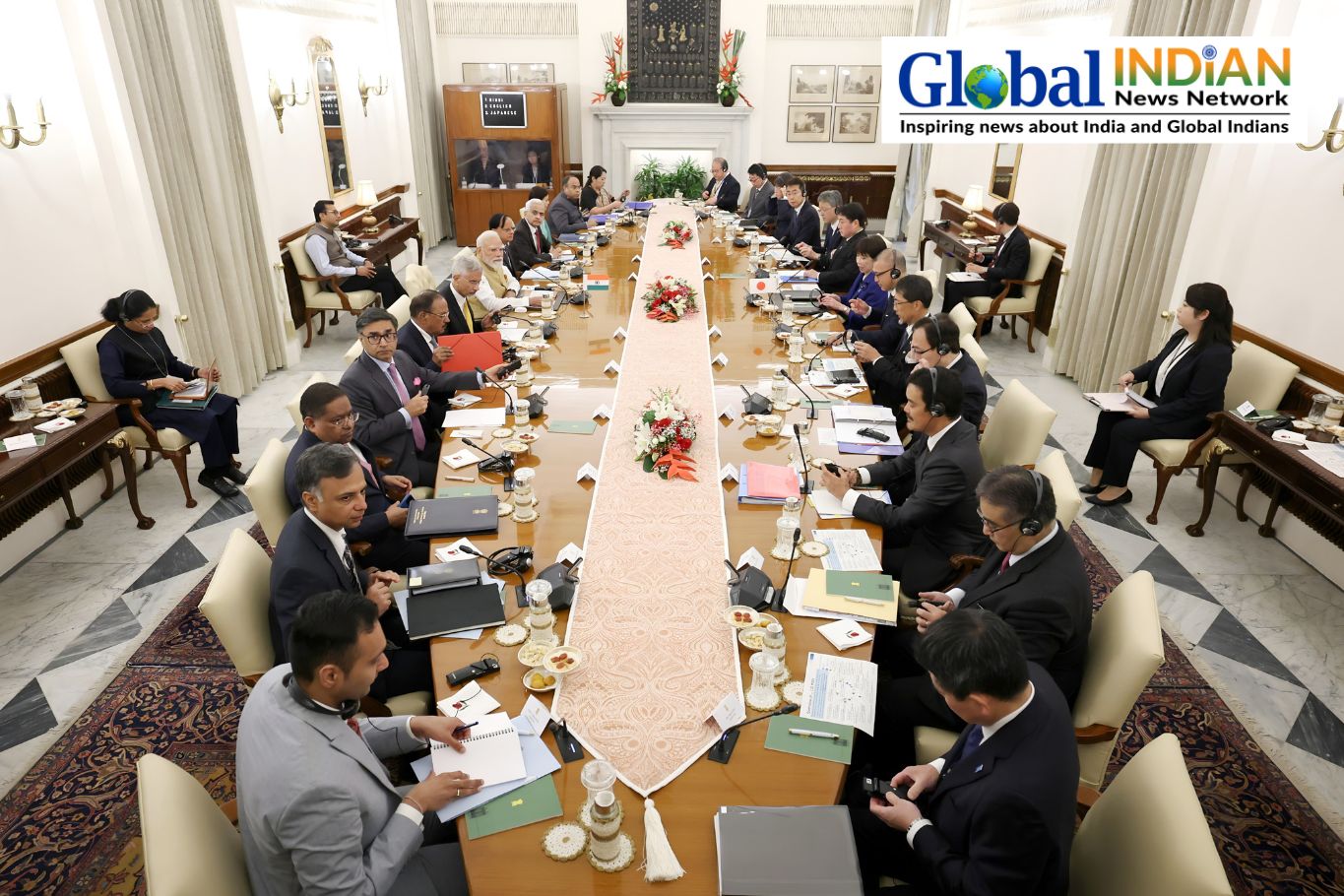
 India and Japan have reinforced their Special Strategic and Global Partnership by announcing a wide-ranging set of agreements focused on defense, artificial intelligence, economic security, healthcare, clean energy, and emerging technologies. The initiatives were unveiled during the 16th India-Japan Annual Summit in New Delhi, where Prime Minister Narendra Modi welcomed Japanese Prime Minister Sanae Takaichi on her first official visit to India.
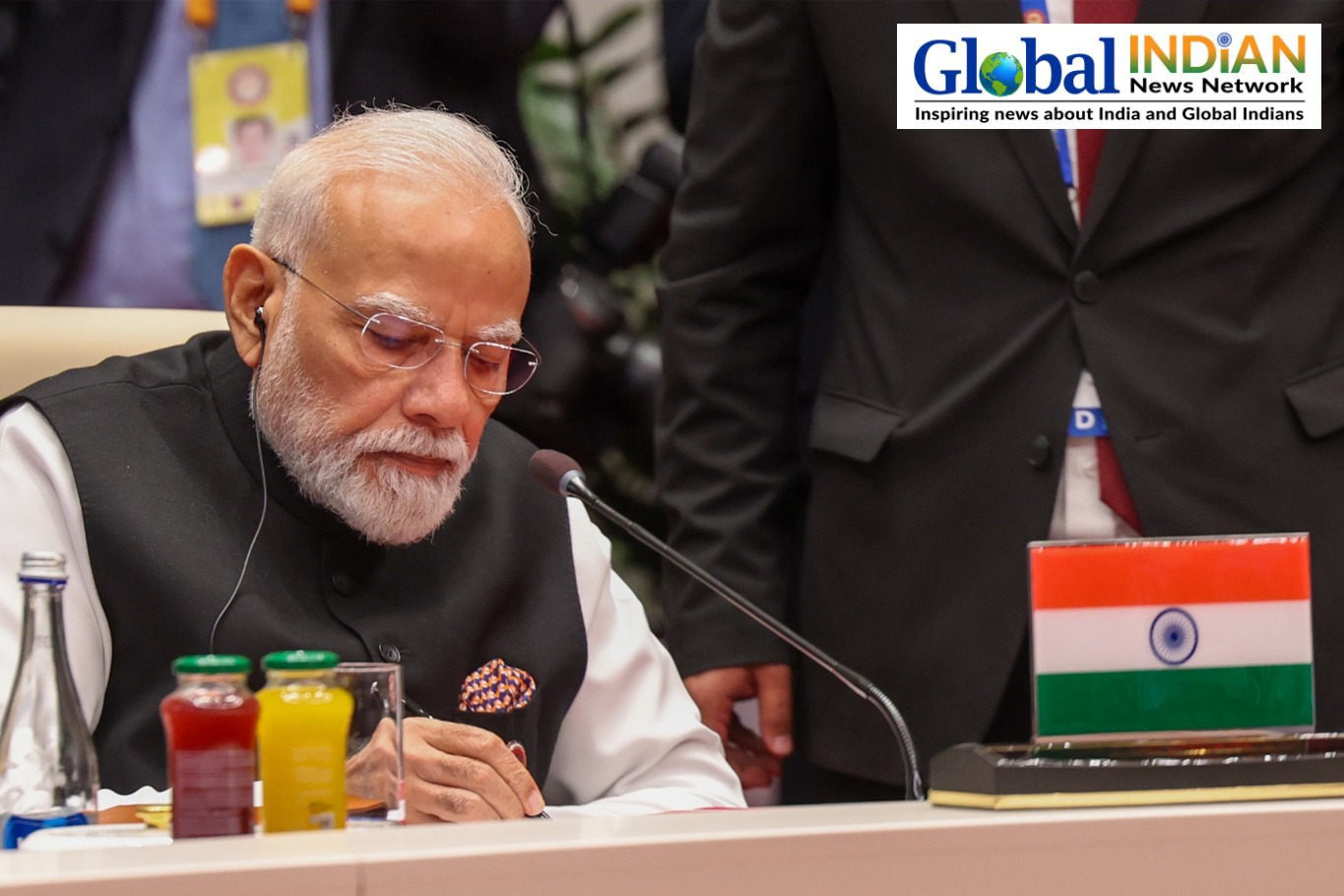
During a joint press briefing, Modi described Japan as one of India’s most reliable partners, emphasizing that decades of mutual trust have laid the foundation for a stronger future. He noted that the latest agreements represent the beginning of a new phase in bilateral relations, with both countries aiming to deepen cooperation across strategic and economic sectors. Modi also highlighted the cultural connection between the two nations, mentioning Takaichi’s roots in Japan’s Nara Prefecture, an area closely associated with Buddhist heritage.
The leaders reaffirmed their shared commitment to maintaining a free, open, and rules-based Indo-Pacific. Modi said India and Japan, as two of the world’s largest democratic and market economies, intend to work together to promote regional peace, stability, and long-term prosperity through expanded collaboration.
Technology emerged as a key focus of the summit. Both governments adopted a Joint Statement on Artificial Intelligence while leading institutions from India and Japan signed separate cooperation agreements. The initiative aims to combine Japan’s advanced engineering capabilities with India’s software expertise to accelerate innovation and support the responsible development of AI technologies.
Defense cooperation also achieved a historic milestone with the signing of the first-ever co-development project between the two countries. The agreement centers on the joint development of a naval radio antenna system, paving the way for broader collaboration in defense technology while strengthening maritime security and regional stability.
Healthcare collaboration expanded through agreements covering pharmaceuticals, biotechnology, and medical devices. Both nations said they would leverage India’s manufacturing scale and Japan’s technological strengths to improve access to affordable and advanced healthcare solutions while contributing to global health security.
Economic ties received another boost as Modi announced that more than 100 business agreements concluded over the past year are expected to generate investments exceeding $10 billion in India. The two governments also agreed to facilitate additional capital flows and continue efforts to significantly increase Japanese investment while encouraging more Japanese companies to establish operations in the country.
To address growing geopolitical and economic uncertainties, India and Japan introduced a Joint Roadmap on Economic Security focused on building resilient supply chains in strategic industries, including semiconductors, quantum technologies, and advanced materials. The summit also produced a Joint Statement on Energy Resilience and expanded cooperation in green hydrogen, batteries, nuclear energy, and other clean energy initiatives. Among the key announcements was support for establishing 1,000 biogas and organic fertilizer plants across India.
The leaders further launched the India-Japan Next Generation Mobility Partnership Framework, extending cooperation into shipbuilding, aviation, and logistics. They also committed to strengthening collaboration in education, research, innovation, startup ecosystems, and workforce development while preparing celebrations for the 75th anniversary of diplomatic relations next year. According to India’s Ministry of External Affairs, the summit concluded with multiple agreements and memorandums aimed at advancing long-term cooperation across strategic, economic, technological, and cultural sectors.