 As the United States approaches its 250th independence anniversary in 2026, the Indian American community stands out as one of the most influential immigrant groups in the country. Although they represent just a little over 1% of the US population, Indian Americans have built a significant presence across key sectors such as technology, healthcare, business, education, and government. Their rise over the past several decades reflects both the success of skilled immigration and the evolving multicultural identity of America.
According to US Census data from 2023, approximately 5.2 million people in the United States identify as Indian origin, making them one of the fastest-growing Asian communities in the nation. They account for around 21% of the Asian American population, highlighting their demographic strength. This growth has been driven largely by immigration reforms in 1965, which opened doors to highly skilled professionals from India, particularly in engineering, medicine, and research fields.
A major factor behind their success is education. Around 77% of Indian Americans hold a bachelor’s degree or higher, placing them among the most educated groups in the country. This strong academic foundation has translated into economic prosperity. In 2023, households led by Indian Americans recorded a median income of about $151.2 million (or $151,200), while individuals aged 16 and above earned an average of $85,300 annually, significantly higher than the broader Asian American average of $52,400.
Their influence is especially visible in the technology sector. Indian-origin leaders have risen to top positions in global companies, including Sundar Pichai at Google and Satya Nadella at Microsoft, symbolizing their dominance in Silicon Valley and beyond. This presence has also extended into entrepreneurship, research, and innovation-driven industries, further strengthening their economic footprint.
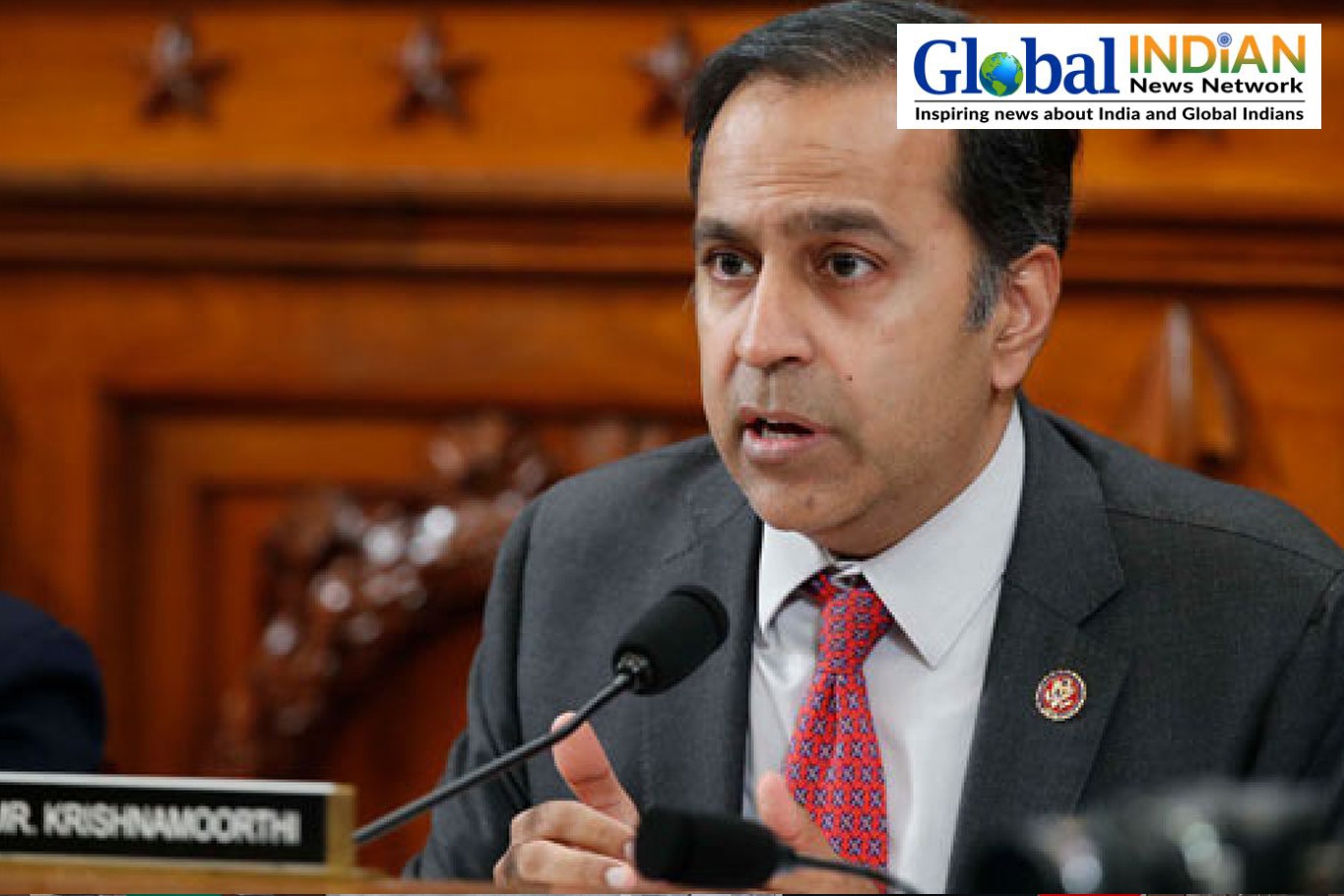
Politically, Indian Americans have also gained visibility. Leaders such as Nikki Haley and Bobby Jindal have served as governors, while others now hold seats in Congress and state legislatures. By 2024, Indian Americans accounted for five members in Congress and nearly 40 in state legislatures, making them one of the most represented Asian-origin groups in American politics. Their role is also becoming increasingly important in swing states and national elections.
From post-1965 migration waves to modern-day leadership roles, Indian Americans have transitioned from a small immigrant group to a powerful force shaping America’s future.