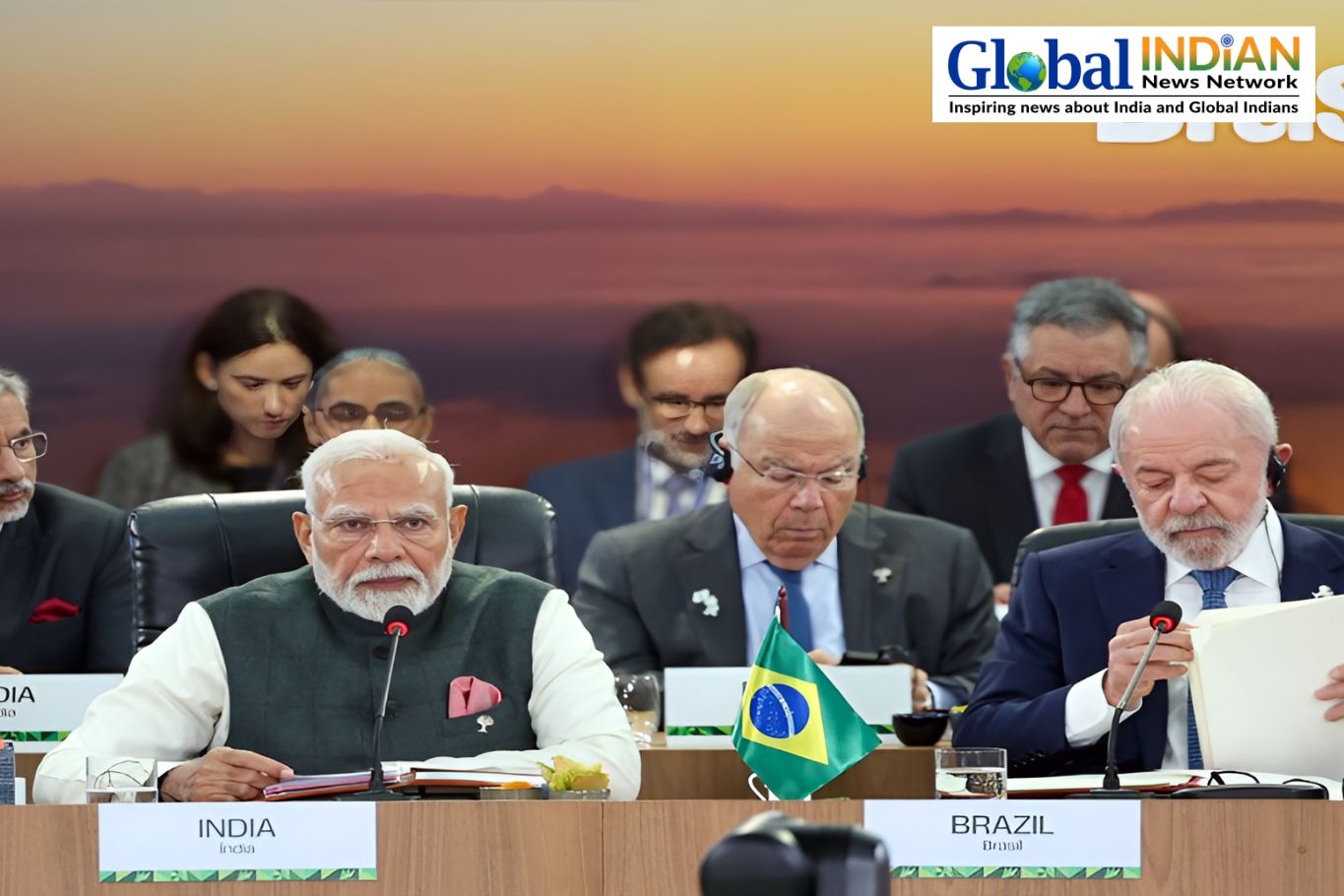
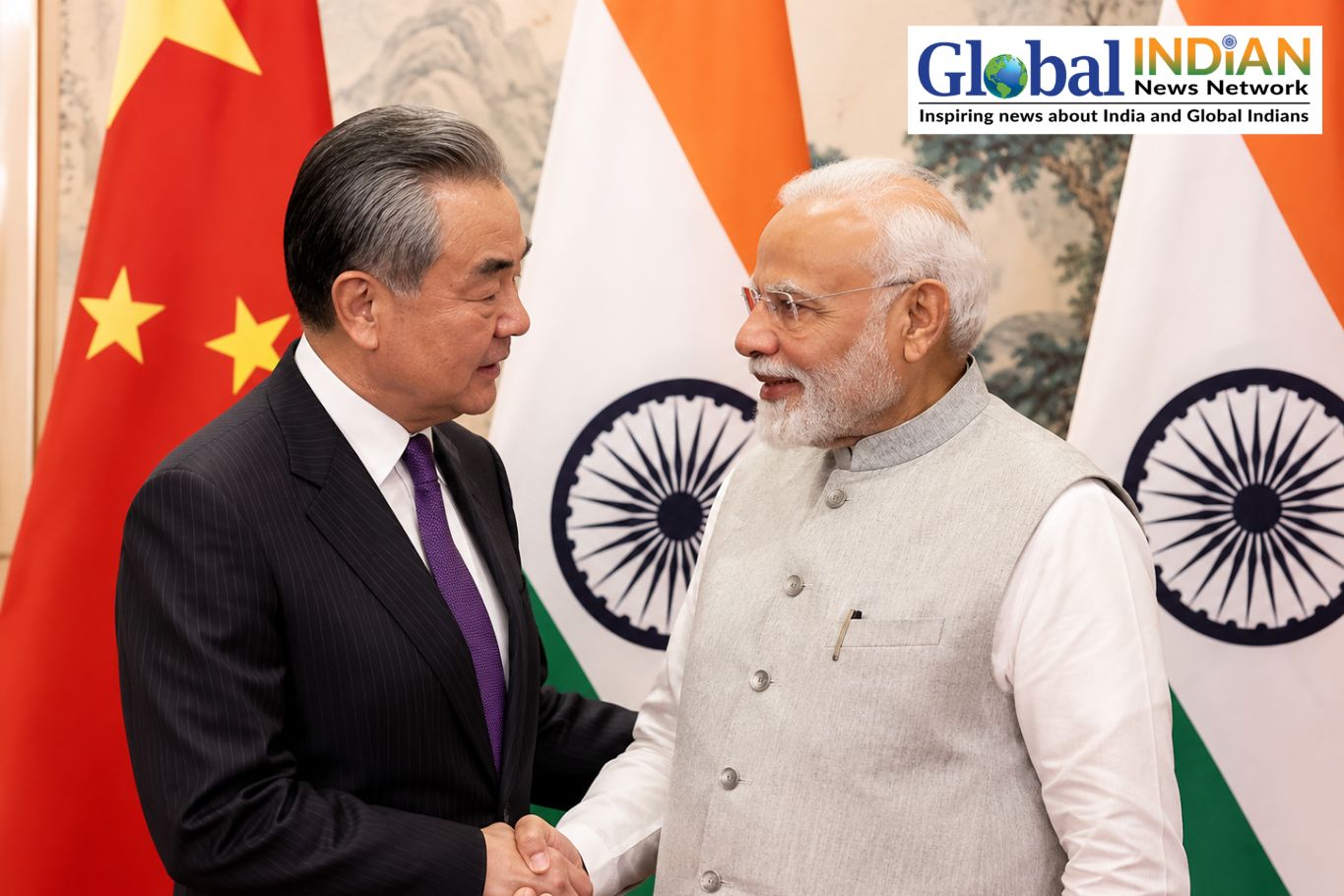
 Chinese Foreign Minister Wang Yi has expressed Beijing’s willingness to work closely with India to strengthen mutual confidence and maintain positive momentum in bilateral relations. During a meeting with Prime Minister Narendra Modi on Tuesday, Wang emphasized the importance of implementing the understandings reached by the leadership of both nations and managing sensitive matters through dialogue and trust-building.
According to Chinese state media, Wang reaffirmed Beijing’s commitment to expanding practical cooperation and promoting shared development. He stressed that China seeks to deepen mutually beneficial engagement with India while supporting New Delhi’s role as the rotating chair of BRICS this year. He also conveyed China’s readiness to collaborate with India to ensure steady progress within the grouping.
Wang’s visit to New Delhi came in connection with the BRICS National Security Advisers conference. During discussions, he highlighted the need to continuously build trust, address differences constructively, and remove lingering doubts that have affected ties in recent years. He noted that, as two of the world’s largest developing nations and influential members of the Global South, India and China have a responsibility to promote cooperation, self-reliance, and solidarity among emerging economies.
Relations between the neighboring countries have gradually improved over the past year following years of tension triggered by the deadly clashes in the Galwan Valley in 2020 and the prolonged military standoff that followed. Since then, both sides have introduced measures aimed at restoring communication and rebuilding confidence.
Chinese Foreign Ministry spokesperson Guo Jiakun later emphasized the importance of deeper security cooperation among BRICS nations. Speaking in Beijing, he said that the current international environment requires member countries to work together on both conventional and emerging security challenges. He cited Wang’s remarks at the conference, calling on BRICS members to strengthen coordination, address global risks collectively, and contribute to improved governance in new sectors.
Guo also highlighted China’s preparations to assume the rotating BRICS chairmanship in 2027. Beijing, he said, intends to work closely with partner nations to promote development, strengthen stability, encourage cultural exchanges, and support more balanced global governance.
Originally formed by Brazil, Russia, India, China, and South Africa, BRICS has expanded significantly in recent years with the addition of Egypt, Ethiopia, Iran, the United Arab Emirates, and Indonesia. The grouping now represents nearly half of the world’s population, about 40 percent of global economic output, and roughly one-quarter of international trade, further enhancing its influence on global affairs.