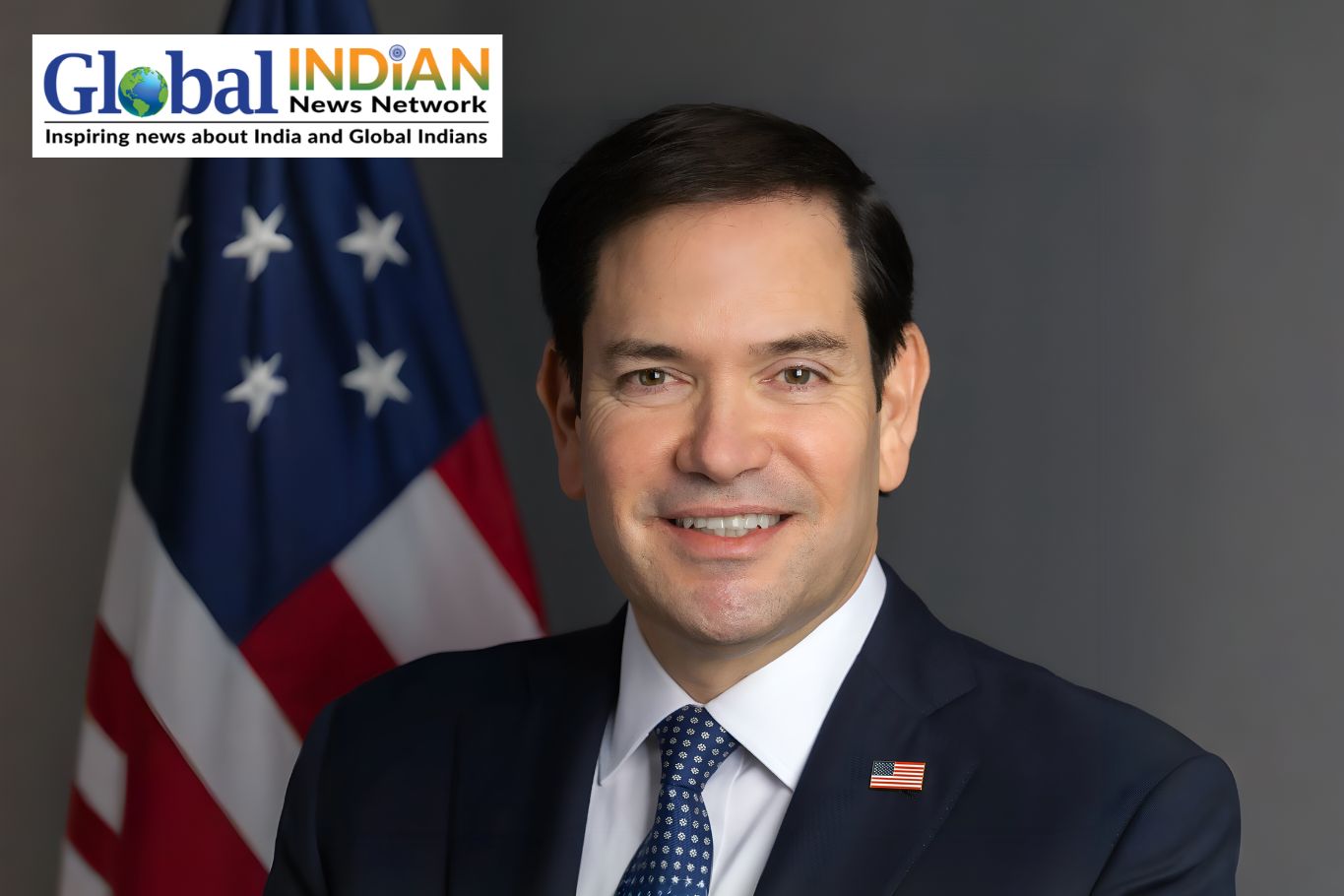
 India emerged as a central focus in the United States’ Indo-Pacific strategy during recent congressional testimony by U.S. Secretary of State Marco Rubio, where he repeatedly referenced New Delhi while outlining Washington’s diplomatic priorities. His remarks highlighted India’s expanding role in trade, security cooperation, and regional stability efforts.
Appearing before the House Foreign Affairs Committee on June 4, Rubio discussed the State Department’s budget request and emphasized the importance of strengthening ties with key Indo-Pacific partners. Among them, India featured prominently across multiple areas of cooperation, including ongoing trade negotiations and multilateral strategic frameworks.
Responding to questions from lawmakers about his recent visit to India, Rubio said that both countries are nearing the conclusion of a trade agreement. He noted that negotiations are in their final stages, stating that the two sides are “a few weeks away from being able to conclude” the deal, and added that there is mutual interest in finalizing the agreement soon.
Rubio also underscored the significance of the Quad alliance, which includes India, the United States, Japan, and Australia. He informed lawmakers that the grouping has held multiple recent meetings, including one hosted in India, and that a leaders’ summit is expected later this year. According to him, preparations are underway for continued high-level engagement among member nations.
A key area of discussion within the Quad, Rubio explained, is maritime domain awareness. He said member countries are working together to pool resources to better monitor activities across the Indo-Pacific region. This includes tracking shipping routes, safeguarding undersea communication cables, and identifying potential sanctions evasion or other illicit maritime activities. He emphasized that such cooperation strengthens regional security and stability.
In addition to security cooperation, Rubio highlighted a major international initiative focused on critical minerals and rare earth supply chains. He referred to a ministerial meeting involving more than 30 countries aimed at reducing global dependency on China for essential materials used in advanced technologies and clean energy systems. The initiative seeks to diversify supply networks and ensure stable access for participating economies.
Throughout his testimony, Rubio repeatedly positioned India as a key partner in advancing U.S. strategic interests in the Indo-Pacific region. His remarks reflected Washington’s continued focus on deepening engagement with New Delhi across trade, defense coordination, maritime security, and supply chain resilience, reinforcing India’s growing importance in global geopolitical planning.