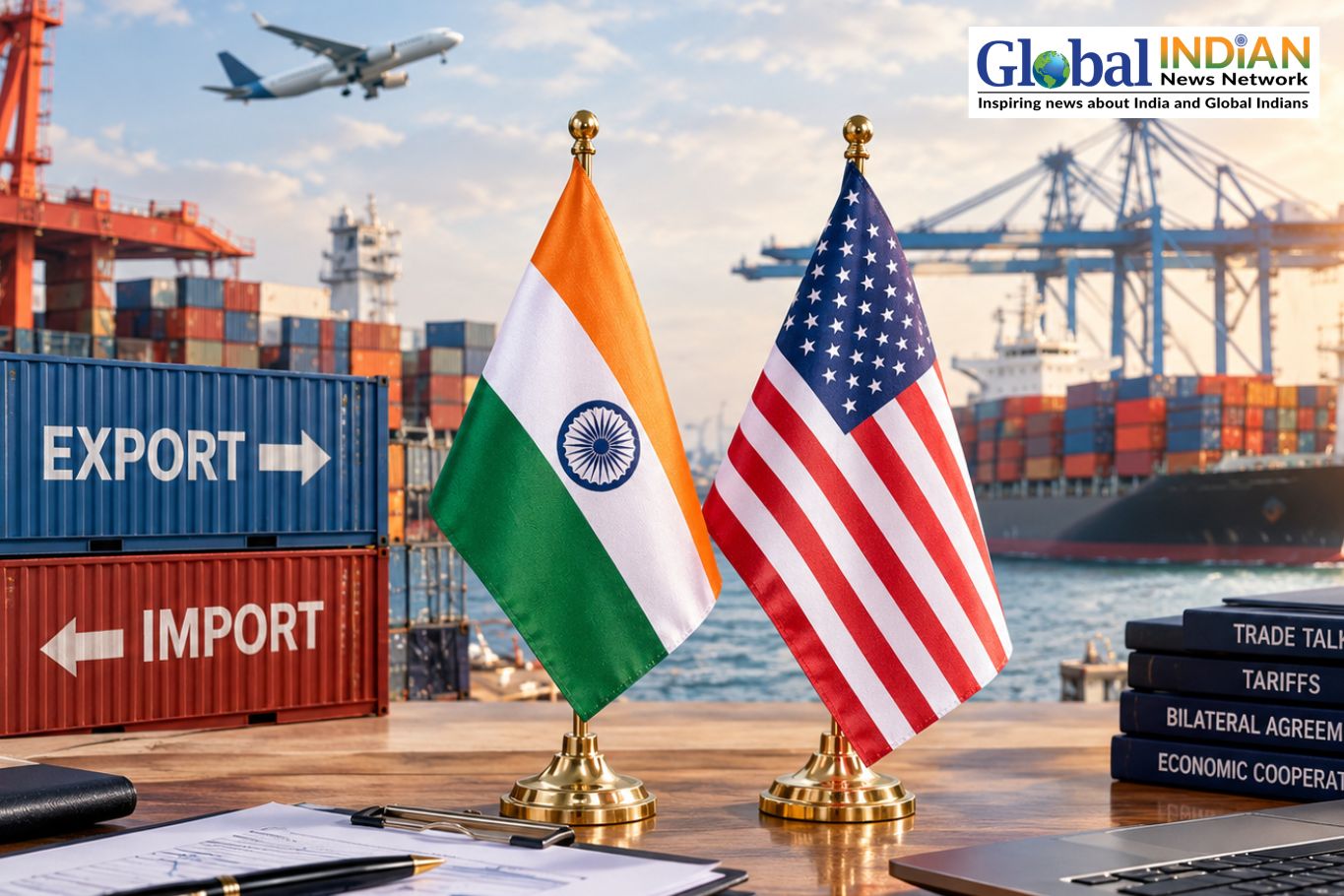
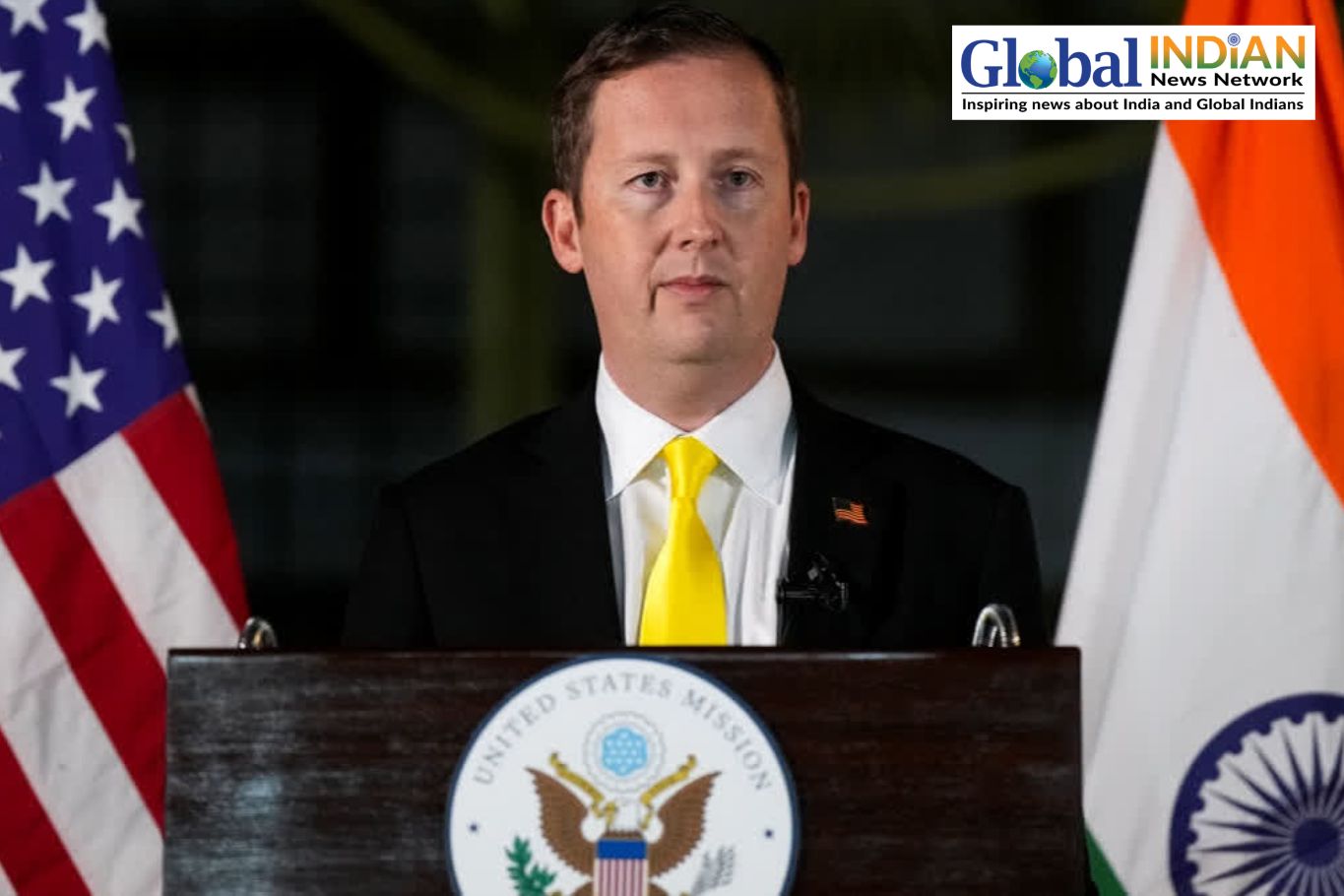
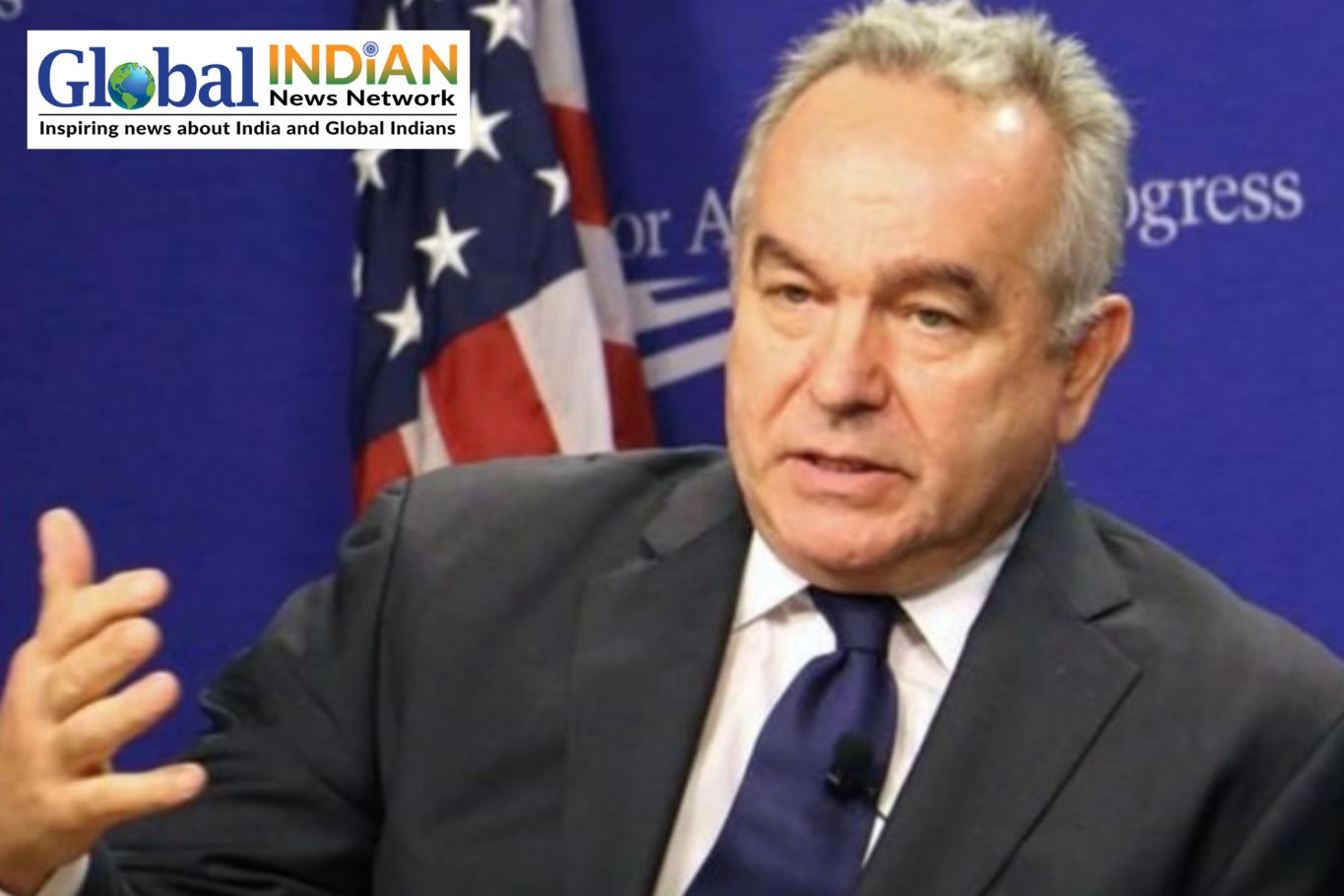
 Former US Deputy Secretary of State Kurt Campbell has identified India as the United States’ most crucial strategic partner of the 21st century, while also acknowledging that recent developments have introduced visible strain in bilateral ties. Speaking at the New India Conference organized by the Hudson Institute, he emphasized that the relationship between the two democracies will play a defining role in shaping global geopolitics in the coming decades.
Campbell noted that despite challenges, the partnership remains fundamentally strong, though he expressed concern over the need to repeatedly emphasize mutual respect between the two nations. This, he suggested, reflects underlying tensions that require careful diplomatic attention.
He highlighted the strength of people-to-people connections, particularly the Indian-American community, which has played a significant role during global crises. Recalling the Covid-19 pandemic, he described how diaspora networks in the United States mobilized rapidly to support India by organizing large-scale shipments of medical supplies, calling it one of the most remarkable humanitarian coordination efforts in recent history.
Education and technology were identified as central pillars of future cooperation. Campbell pointed to a US-led initiative that saw overwhelming interest from Indian applicants, with approximately 6,000 candidates competing for just 25 opportunities, illustrating both ambition and talent depth. He stressed the importance of expanding academic exchanges and innovation partnerships to strengthen long-term collaboration.
However, he also pointed out structural and bureaucratic hurdles within the US system that complicate deeper engagement, particularly in defense and strategic frameworks that span multiple regions. He argued that India must be more fully integrated into the Indo-Pacific security architecture to ensure balanced regional stability.
Campbell further warned that ongoing global conflicts could reshape strategic priorities, with US military resources increasingly diverted to other regions. This shift, he suggested, may weaken deterrence in the Indo-Pacific and create long-term strategic imbalances.
He also noted that global disruptions are not limited to security concerns but extend to economic systems, including supply chains, energy flows, and manufacturing networks, with effects measured in trillions of dollars globally.
Despite these concerns, Campbell maintained that the structural foundation of US-India relations remains strong. He called for sustained political commitment, deeper institutional engagement, and continued involvement of the Indian-American community to further strengthen the partnership.