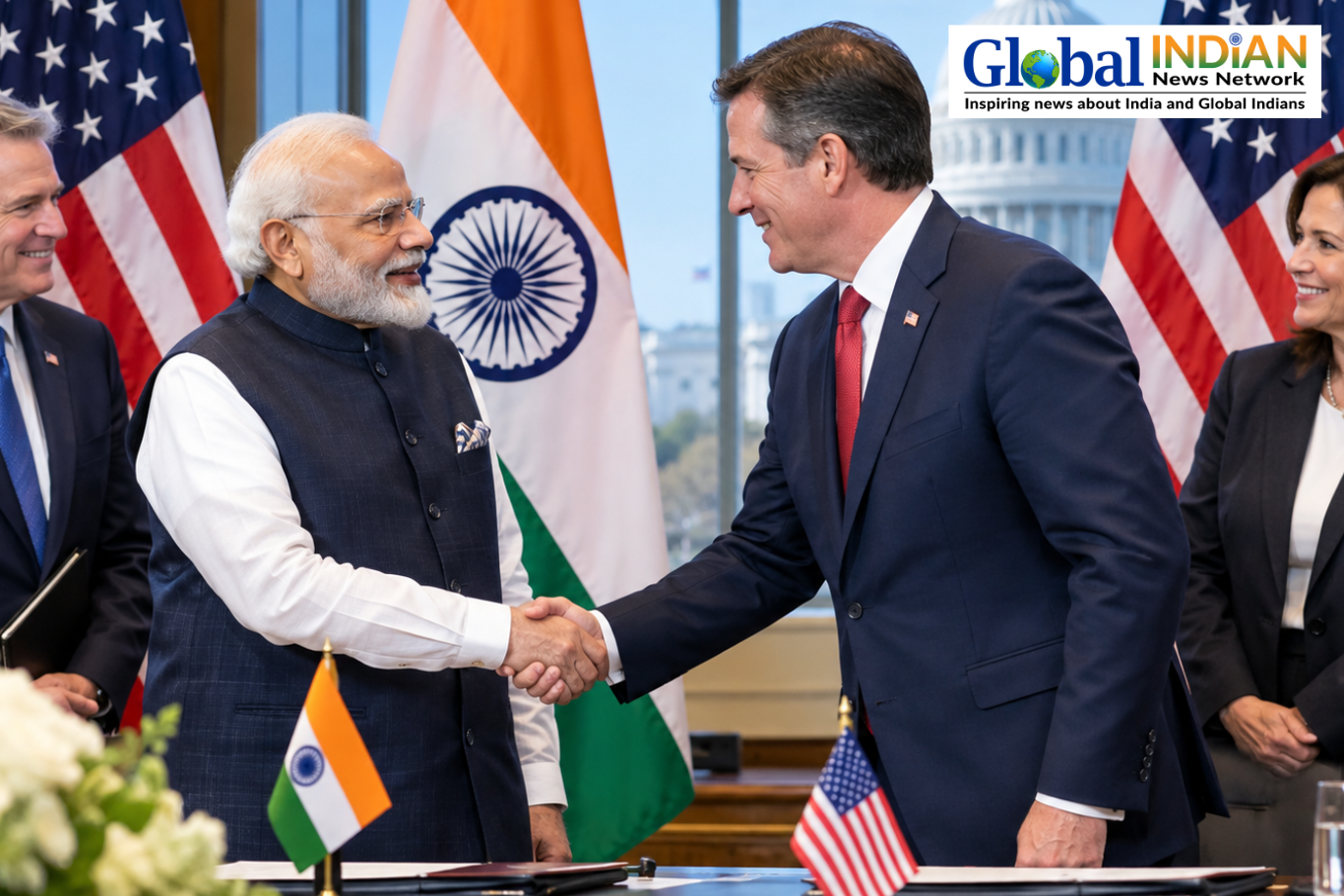
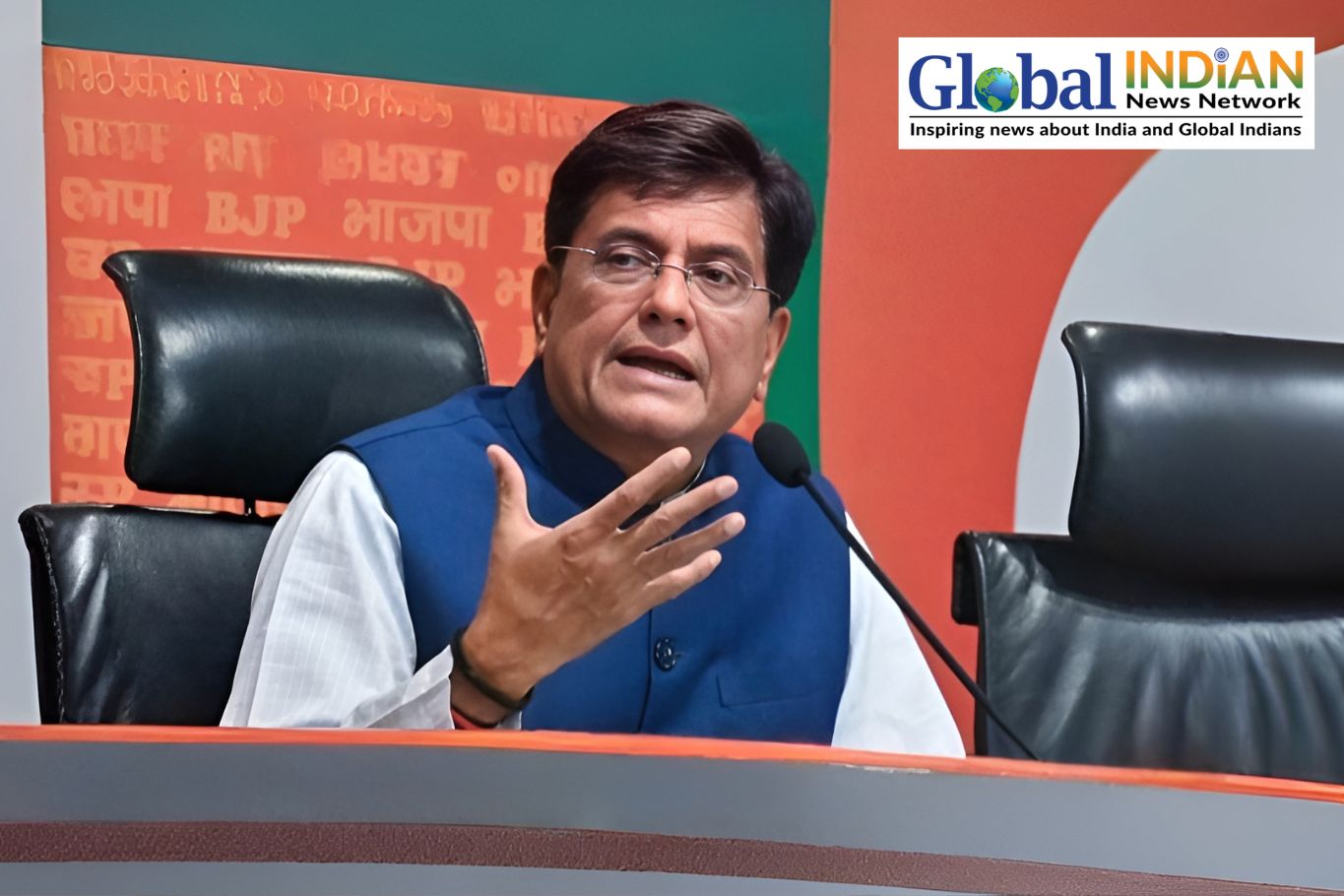
 Union Commerce and Industry Minister Piyush Goyal stated on Thursday that India is striving for “preferential access” and the most favourable trade arrangements in ongoing discussions with the United States. He described India as being in a “very sweet spot” among emerging economies, emphasizing that the country’s status as the world’s fastest-growing major economy offers an attractive opportunity for global investors.
Goyal highlighted outcomes from the recent four-day WTO Ministerial, covering seven critical areas including WTO reform, fisheries subsidies, investment facilitation, e-commerce, agriculture, and broader development concerns. Key agreements included measures to integrate smaller economies into the global trade system, improving logistics, connectivity, and border processes. Progress was also achieved on fisheries subsidies, addressing overcapacity, overfishing, and illegal fishing, with recognition for transitional support for developing nations like India to expand deep-sea fishing while boosting incomes for coastal communities.
On agriculture, Goyal reaffirmed India’s long-standing demands for a permanent solution on public stockholding and special safeguard mechanisms, calling for urgent resolution of existing WTO mandates.
During the Ministerial, Goyal conducted extensive diplomatic outreach, holding 12 multilateral and 24 bilateral meetings. Talks with Canada focused on accelerating the Comprehensive Economic Partnership Agreement, while discussions with New Zealand explored a potential Free Trade Agreement. Engagements with Switzerland aimed at enhancing investment flows from the EFTA region, and meetings with the Netherlands, France, Ethiopia, and Cameroon focused on expanding bilateral trade ties. India plans to send its largest-ever business delegation to Canada in the near future.
Addressing global trade challenges, Goyal noted widespread concern over conflicts affecting supply chains and maritime routes, urging dialogue and peace. He highlighted India’s resilience, pointing out stable food and energy security, sufficient petroleum supplies, and full-capacity refinery operations. While shipping and insurance costs remain elevated, mitigation strategies are in place, with further measures under active consideration.
India’s proactive engagement at the WTO and through bilateral partnerships signals a strategic approach to securing trade advantages, ensuring economic stability, and reinforcing its position in the global market.