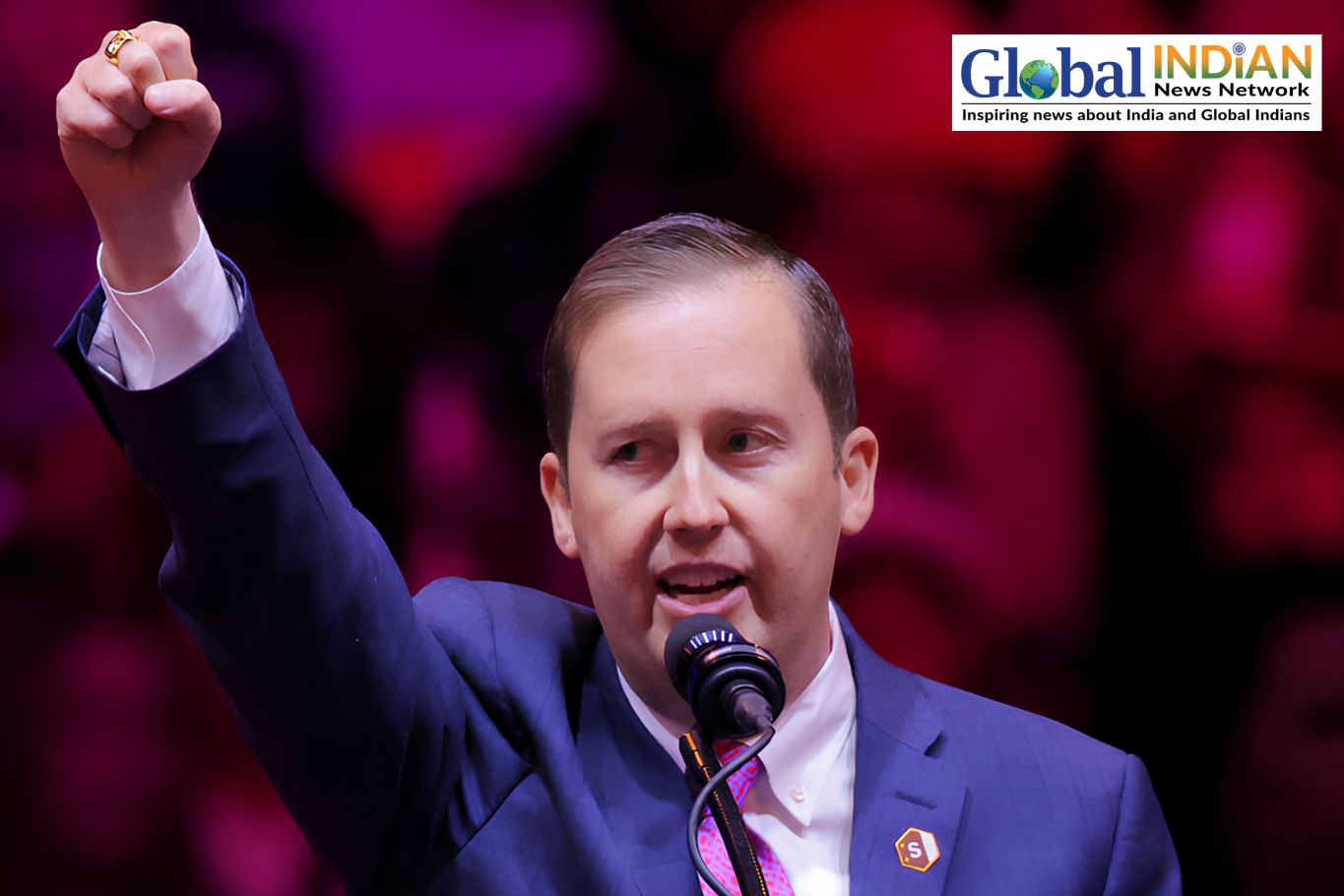
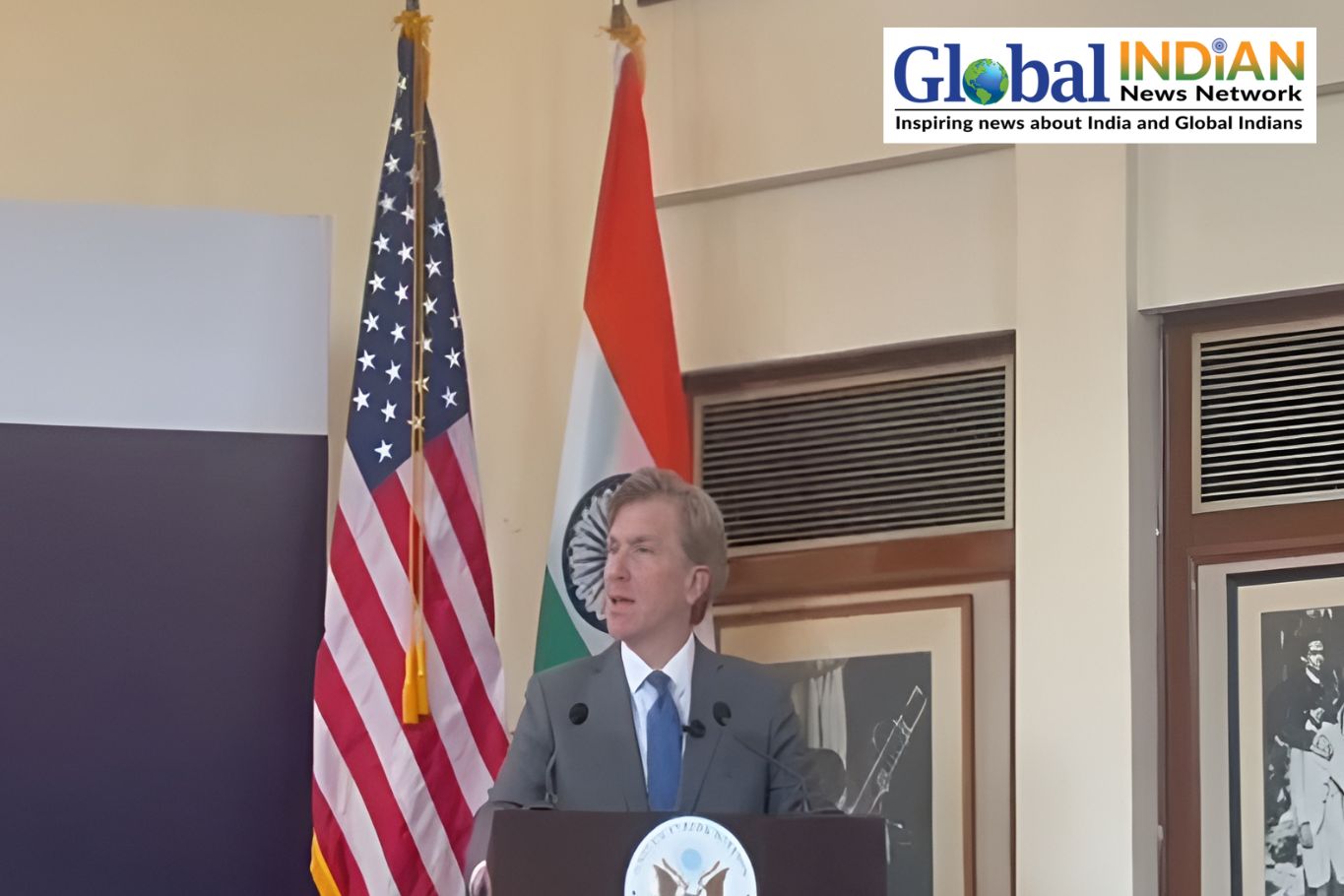
 Elbridge Colby, a senior United States official, has emphasised that India is not just a key partner but an essential one in maintaining a favourable balance of power in Asia, underlining the concept of “Flexible Realism” as the foundation of bilateral ties.
Speaking at a special session in New Delhi, Colby explained that the United States’ approach to its relationship with India is rooted in practical, interest-based cooperation shaped by evolving geopolitical realities rather than idealistic assumptions.
He noted that both countries, despite differences in history, geography, and perspectives, share a fundamental belief that the future of Asia should be determined by sovereign nations capable of charting their own course.
“The United States views India with deep respect as a republic of continental scale and a nation whose decisions will significantly shape the future of the Indo-Pacific and the global order,” Colby said.
Highlighting the importance of defence cooperation, he outlined the need for a structured and realistic framework to guide collaboration between the two countries amid rapidly shifting global dynamics.
Colby, who is currently visiting India to engage with senior officials, pointed out that the world is undergoing one of the most significant shifts in global power in generations. He stressed that the Indo-Pacific region has become the central arena for international politics, economic activity, and security considerations.
According to him, no single country can maintain stability in Asia on its own due to the region’s vast scale and complexity. Instead, a stable balance of power will depend on the collective efforts of capable nations that share a commitment to a free and open Indo-Pacific.
In this context, India’s role is seen as indispensable. Its strategic position, economic potential, and growing global influence make it a crucial partner for the United States in addressing regional and global challenges.
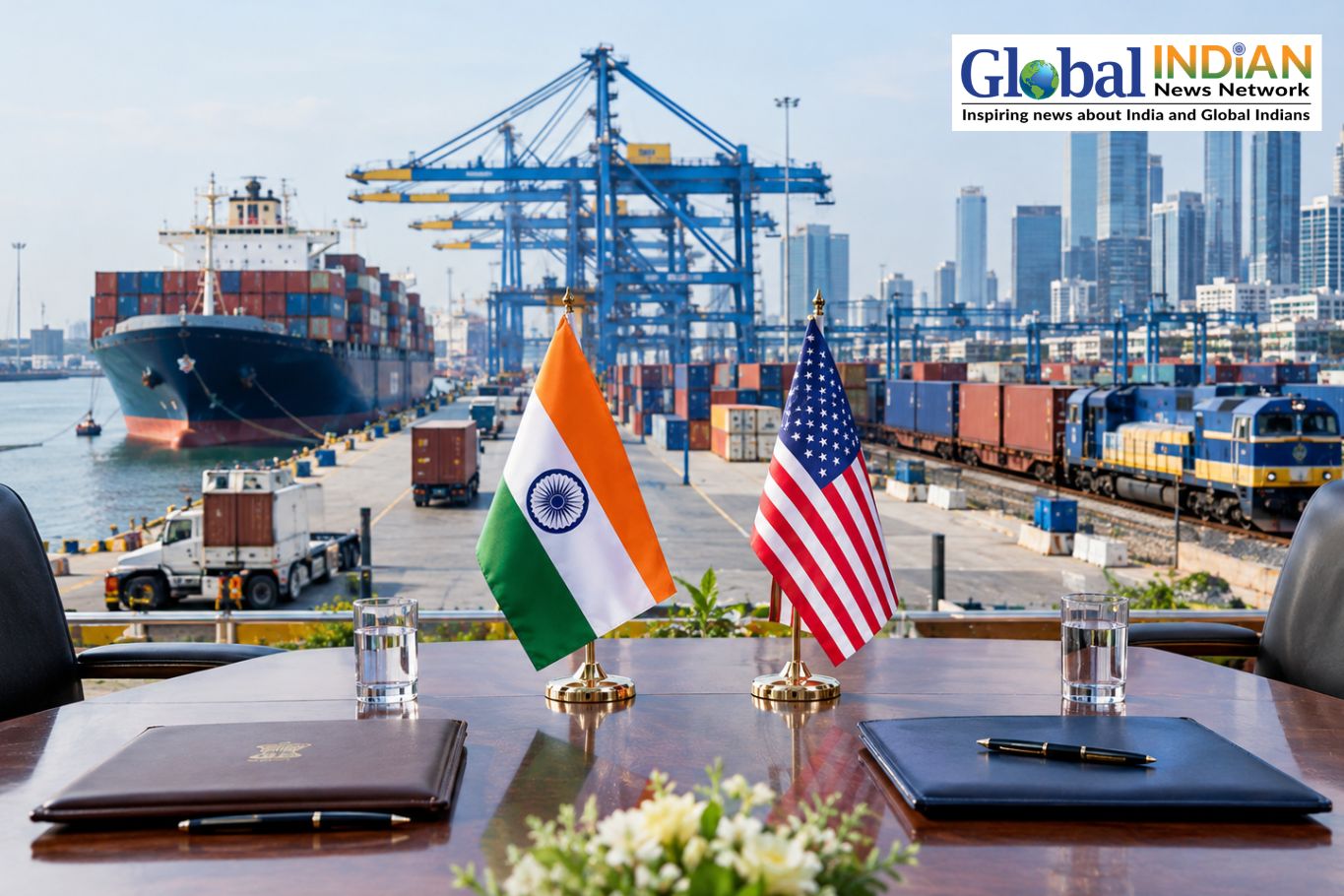
The remarks reflect the deepening strategic alignment between India and the United States, particularly in defence and geopolitical cooperation, as both nations navigate an increasingly complex international landscape.