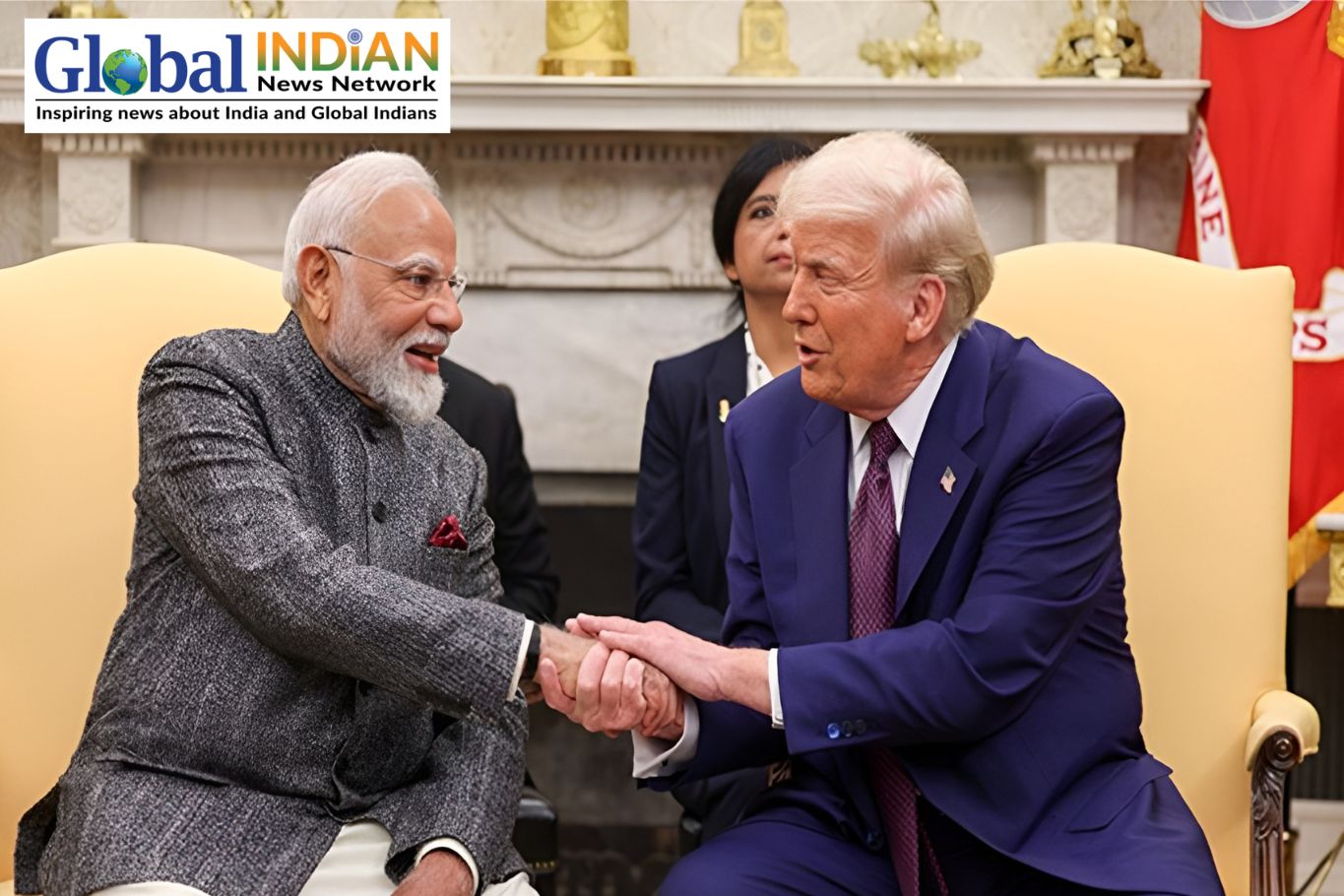
 Narendra Modi held a high-level telephonic conversation with Donald Trump to discuss the escalating tensions in West Asia and the importance of maintaining stability in global energy corridors.
The discussion comes at a critical time as the ongoing conflict in the region continues to disrupt global energy markets and maritime security, particularly around the strategically vital Strait of Hormuz.
In a post on social media platform X, Modi said the exchange of views was “useful” and emphasised India’s support for de-escalation and early restoration of peace. He stressed that keeping the Strait of Hormuz open, secure, and accessible is essential for global stability and uninterrupted energy supplies.
Both leaders agreed to remain in close contact and continue diplomatic efforts aimed at ensuring peace and stability in the region.
Earlier, US officials also highlighted the importance of maintaining open maritime routes, as tensions threaten one of the world’s most critical oil transit chokepoints.
The conversation follows signals of possible de-escalation in the US-Israel standoff with Iran, with Washington reportedly engaging in diplomatic outreach to Tehran. Reports suggest that communication channels between the involved parties remain active, indicating cautious optimism for easing tensions.
Addressing Parliament, Modi underlined India’s proactive diplomatic approach, stating that he has held multiple rounds of discussions with leaders across West Asia. India remains in continuous contact with countries in the Gulf region, as well as with Iran, Israel, and the United States.
He further emphasised that safeguarding India’s maritime interests and ensuring the safety of Indian nationals in the region remain top priorities.
“Through diplomacy, India is making every effort to ensure the safe movement of its ships even in challenging conditions,” Modi said, reiterating that dialogue remains the preferred path to resolving the crisis.
The ongoing developments highlight India’s active role in global diplomacy as it seeks to balance strategic interests while advocating for peace and stability in a volatile region.