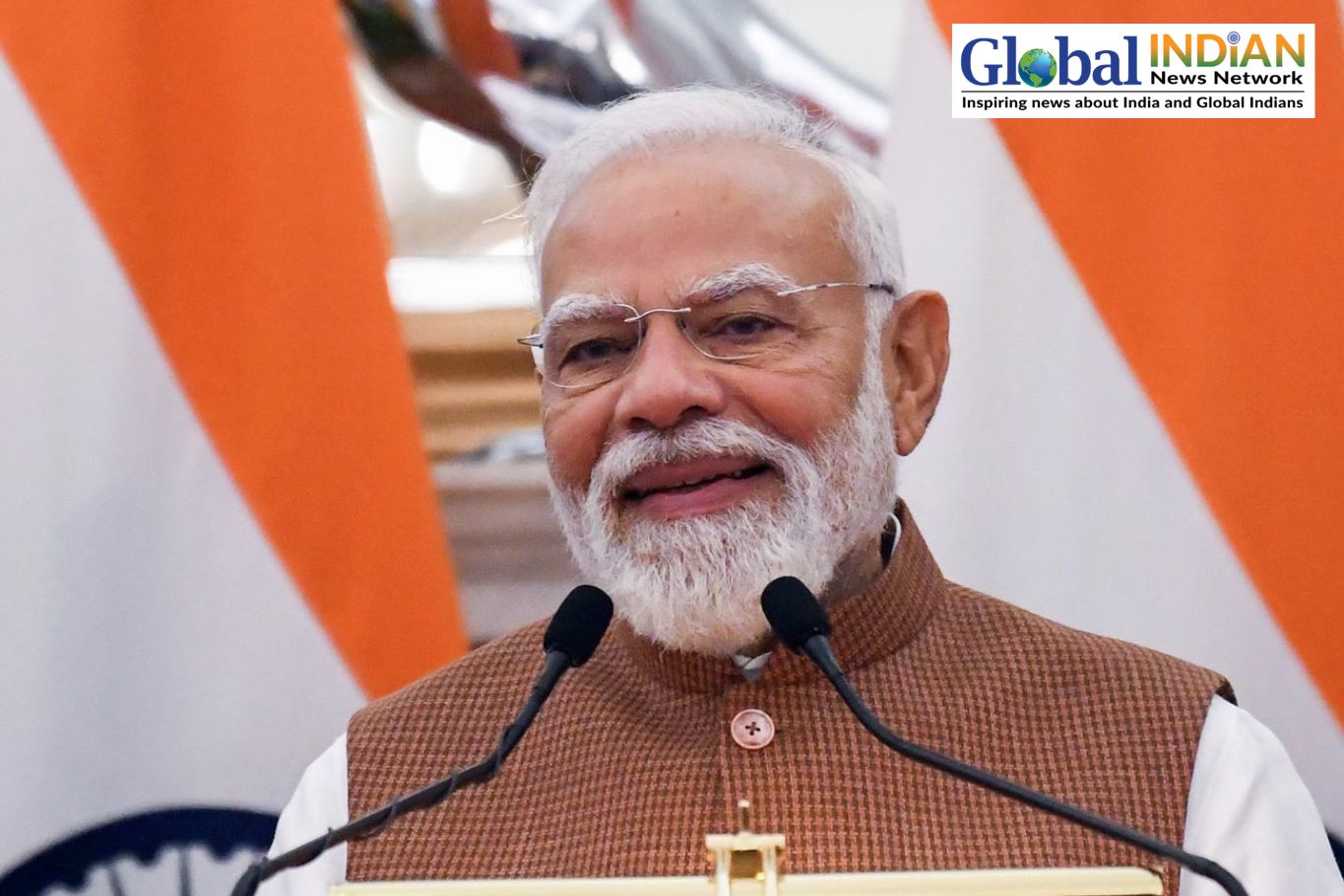
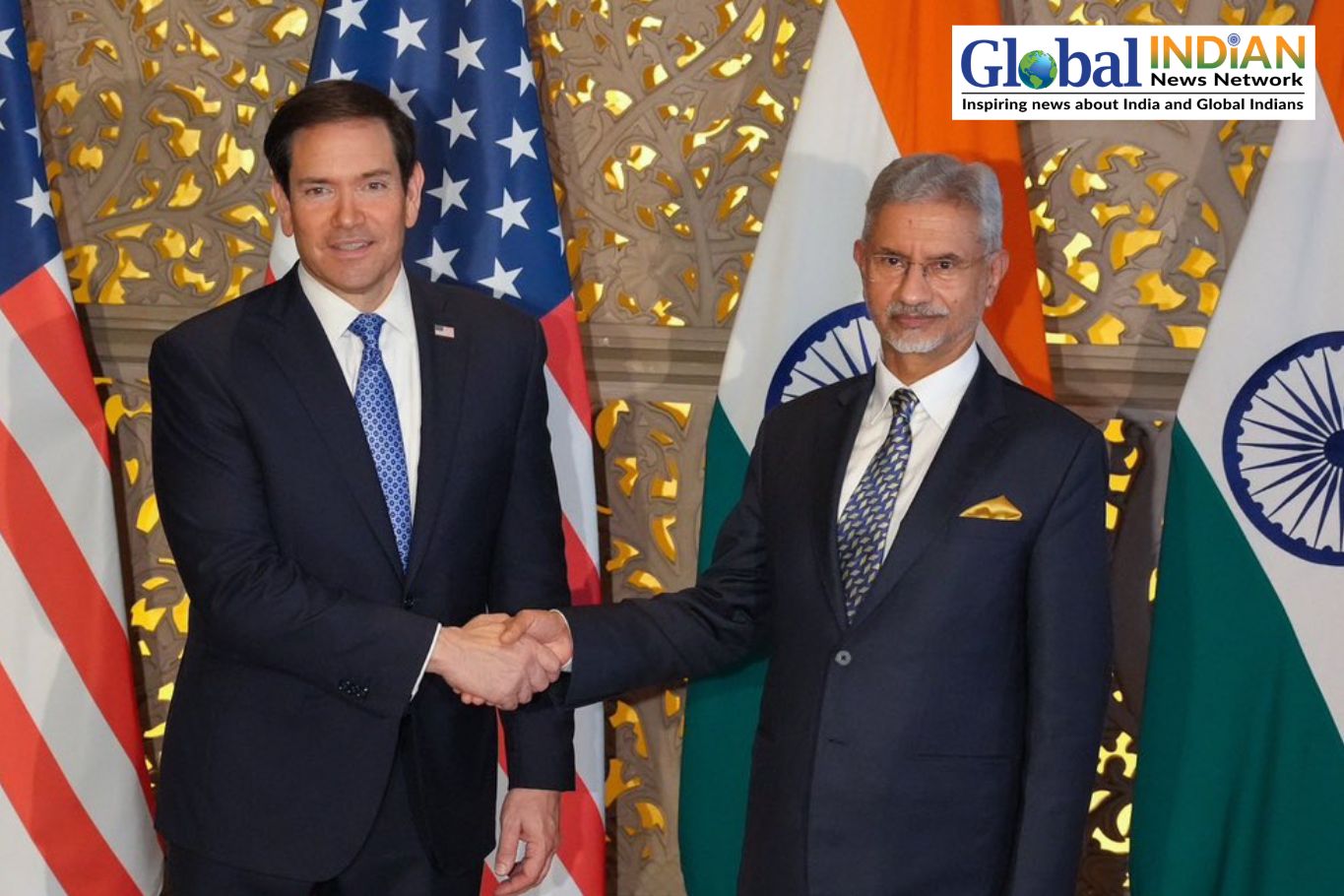
 India’s top leadership has begun urgent discussions to manage potential disruptions in the country’s liquified petroleum gas supply following escalating tensions in the Middle East. Prime Minister Narendra Modi held a high level meeting with Petroleum Minister Hardeep Singh Puri and External Affairs Minister S Jaishankar to assess the situation and ensure that domestic consumers remain protected from possible shortages.
The review comes as military hostilities involving the United States, Israel, and Iran continue to intensify, entering their eleventh day. The conflict has affected maritime movement in the Strait of Hormuz, one of the world’s most critical energy transit routes. This passage is particularly important for India because a large portion of the country’s LPG imports travel through this corridor.
Government officials indicated that nearly sixty two percent of India’s imported LPG moves through the Strait of Hormuz. Of that amount, about eighty five to ninety percent originates from Gulf producers such as Saudi Arabia. The ongoing military actions in the region have effectively restricted movement in the area, creating concerns about potential disruptions to shipments.
To prevent any immediate supply shock within the country, the government has activated a contingency strategy aimed at protecting essential consumption sectors. Authorities are exploring alternative sources of supply, but the immediate priority is to manage existing stock levels efficiently until global shipping routes stabilize.
In response to the developing situation, the Ministry of Petroleum and Natural Gas has invoked provisions under the Essential Commodities Act of nineteen fifty five. The move allows the government to regulate production levels, ensure stable supply, and manage the fair distribution of natural gas across different sectors.
Under the directive issued by the ministry, priority access to natural gas has been granted to several key sectors. These include domestic piped gas services, compressed natural gas used in transportation, and LPG production facilities. Pipeline operations and compressor fuel supply have also been categorized as essential services.
According to the order, these priority sectors will continue receiving one hundred percent of their average natural gas consumption based on usage over the past six months, subject to operational availability. Fertilizer manufacturing plants, which rely heavily on natural gas as a feedstock, will receive around seventy percent of their previous average consumption.
Industrial users connected to the national gas grid, including tea processing units and manufacturing facilities, will receive approximately eighty percent of their usual supply levels during the crisis period.
Meanwhile, the National Restaurant Association of India has raised concerns regarding the potential impact of the government’s directive on commercial LPG availability. The association has written to the petroleum minister seeking clarity, warning that any disruption in cooking gas supply could affect restaurants and food service businesses across the country.