 India’s trade partnerships in 2026 reflect a decisive shift toward deeper global economic integration, underpinned by a growing network of modern, outcome-oriented trade agreements that are expanding market access, boosting exports, attracting investment and generating employment across multiple sectors.
A landmark agreement with the European Union, alongside strengthened partnerships with major global economies, has emerged as a cornerstone of this transformation. These trade frameworks are complemented by domestic policy, financial and regulatory measures aimed at enhancing exporter competitiveness, making India’s trade ecosystem more resilient and globally integrated.
Several major economies are currently engaged in active negotiations with India to deepen trade and investment ties through Free Trade Agreements and comprehensive economic partnerships. Among them, India reached a framework understanding with the United States for an Interim Agreement designed to promote reciprocal and mutually beneficial trade. The framework reinforces both countries’ commitment to broader Bilateral Trade Agreement negotiations, which are expected to deliver additional market access and support more resilient supply chains.
India has also advanced trade engagement with Israel, with the two sides signing the Terms of Reference for a Free Trade Agreement. The first round of negotiations has already been concluded, establishing a structured framework to enhance trade flows and economic cooperation across identified priority sectors.
Discussions are also underway for the ASEAN-India Trade in Goods Agreement with Association of Southeast Asian Nations, a move that holds the potential to unlock the full economic capacity of participating countries while strengthening regional integration and cooperation.
Engagements with Mexico have focused on expanding bilateral trade and investment, fostering business collaborations and exploring opportunities across diverse sectors. Meanwhile, talks with Canada on a Comprehensive Economic Partnership Agreement continue under agreed terms of reference. The proposed agreement aims to raise bilateral trade to nearly $50 billion by 2030 through tariff rationalisation and clearer frameworks for services and investment.
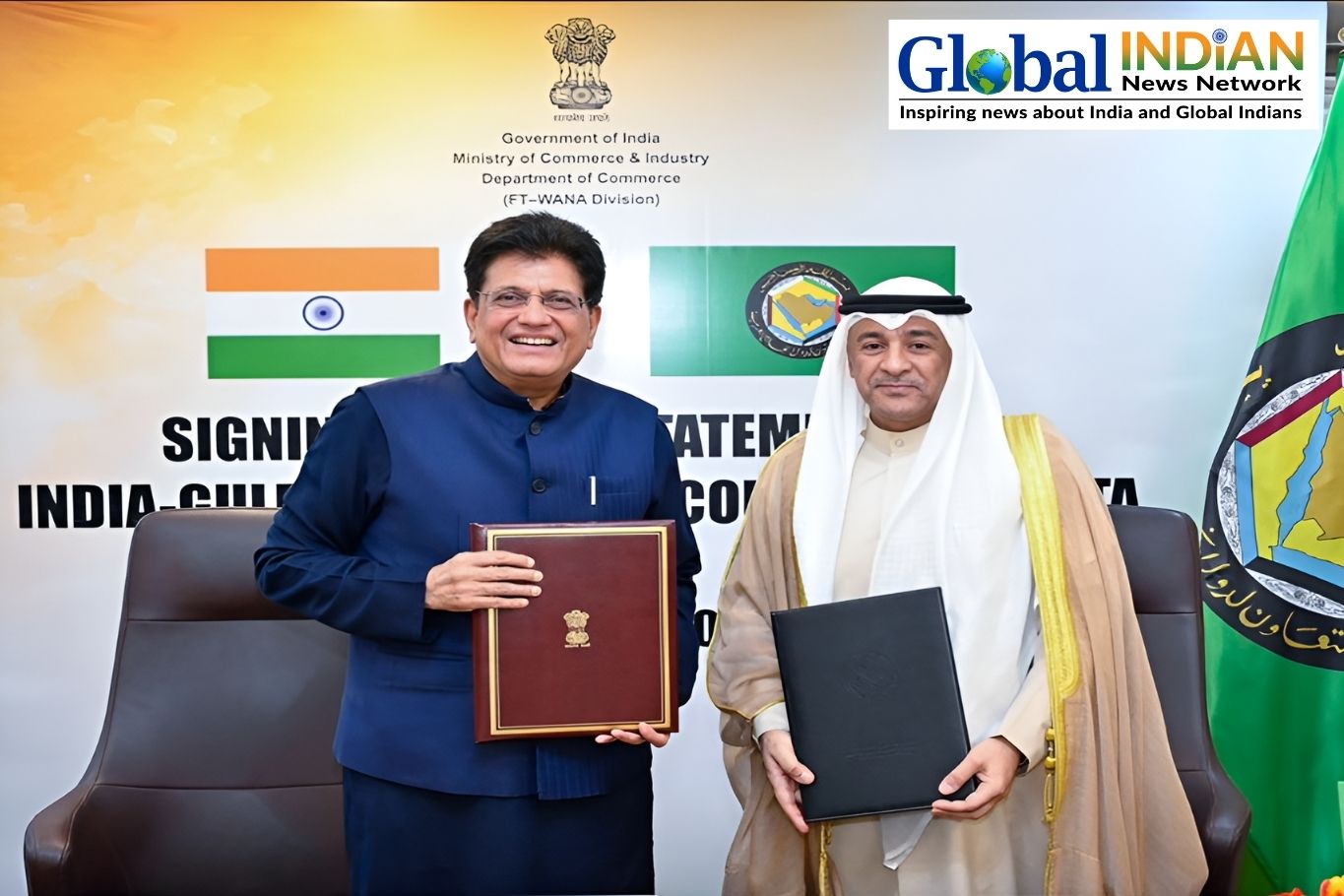
India has also moved forward with negotiations for a Free Trade Agreement with the Gulf Cooperation Council, with the signing of Terms of Reference and a Joint Statement formally launching discussions. The proposed agreement is expected to facilitate seamless movement of goods and services, attract investment, expand employment opportunities and strengthen food and energy security across the region.
Collectively, these initiatives signal India’s intent to embed itself more deeply within global value chains while balancing strategic autonomy with economic openness. As trade agreements converge with domestic reforms, India’s evolving trade architecture is positioning the country as a more integrated, competitive and reliable partner in the global economy.