 India’s leadership in the global clean energy transition was highlighted at the 2026 World Economic Forum (WEF) Annual Meeting in Davos. Union Minister for New and Renewable Energy, Mr. Pralhad Joshi, outlined India’s strategy of scaling growth while ensuring affordability and sustainability. In discussions with WEF President and CEO Mr. Børge Brende and other global stakeholders, Joshi emphasized the importance of international collaboration, multilateral frameworks, and ongoing dialogue between governments and the private sector to drive sustainable development.
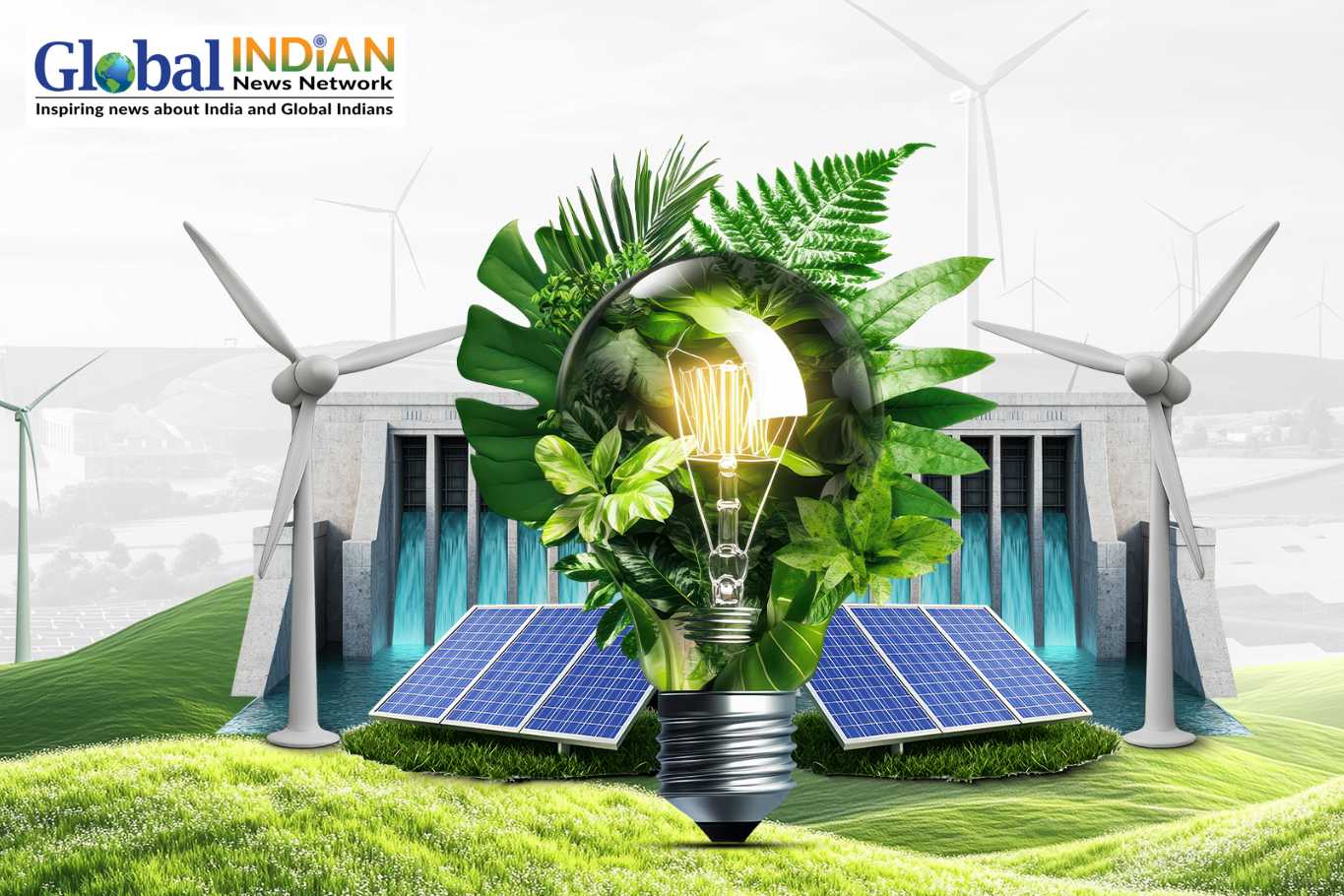
A roundtable discussion at WEF spotlighted India’s decentralized renewable energy sector, covering rooftop solar, agricultural energy solutions, and mini grids. These models were presented as scalable approaches particularly relevant for the Global South. Joshi highlighted the role of Indian states in implementing national policies, citing Madhya Pradesh as a leading example in utility-scale renewable energy, cost-effective solar power, and globally competitive green hydrogen production.
The minister stressed that while ambition and investment are critical, effective implementation remains the central challenge for the global energy transition. On the sidelines of the forum, India engaged with international energy companies to explore expanding renewable capacity, developing carbon markets, climate finance mechanisms, energy storage solutions, and green fuel adoption.
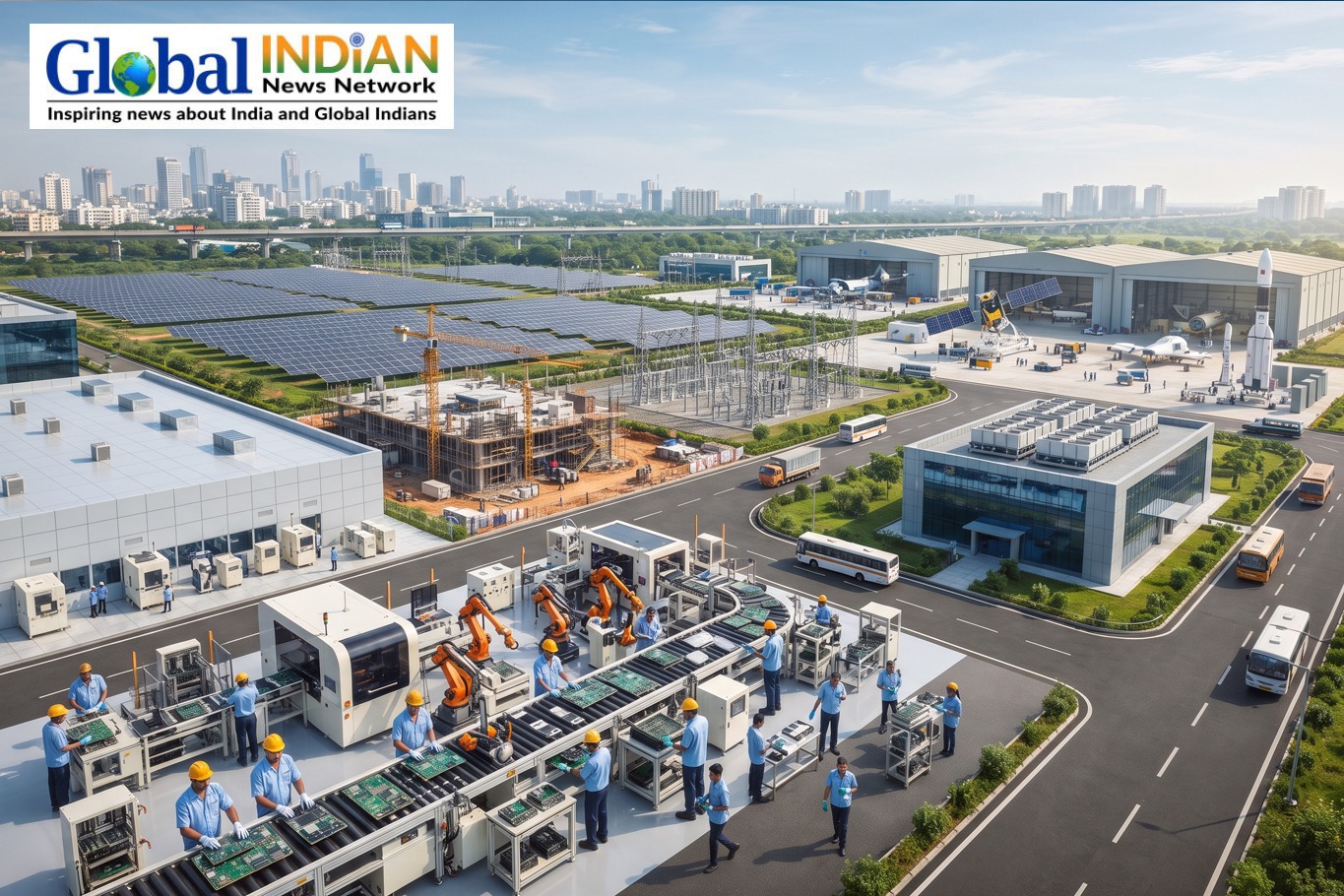
India also reaffirmed its commitment to integrating Artificial Intelligence in the energy sector, aiming to enhance grid forecasting, reduce losses, and improve reliability. These efforts are part of the country’s broader vision of positioning itself as a trusted destination for clean energy investment and manufacturing, paving the way for the “Viksit Bharat 2047” initiative.
Through these initiatives, India demonstrates a practical approach to sustainable energy growth, combining innovation, state-level execution, and global cooperation. By leveraging technology, policy frameworks, and scalable energy solutions, the country is setting a benchmark for renewable energy transition on the world stage and offering actionable models for other nations pursuing low-carbon development.