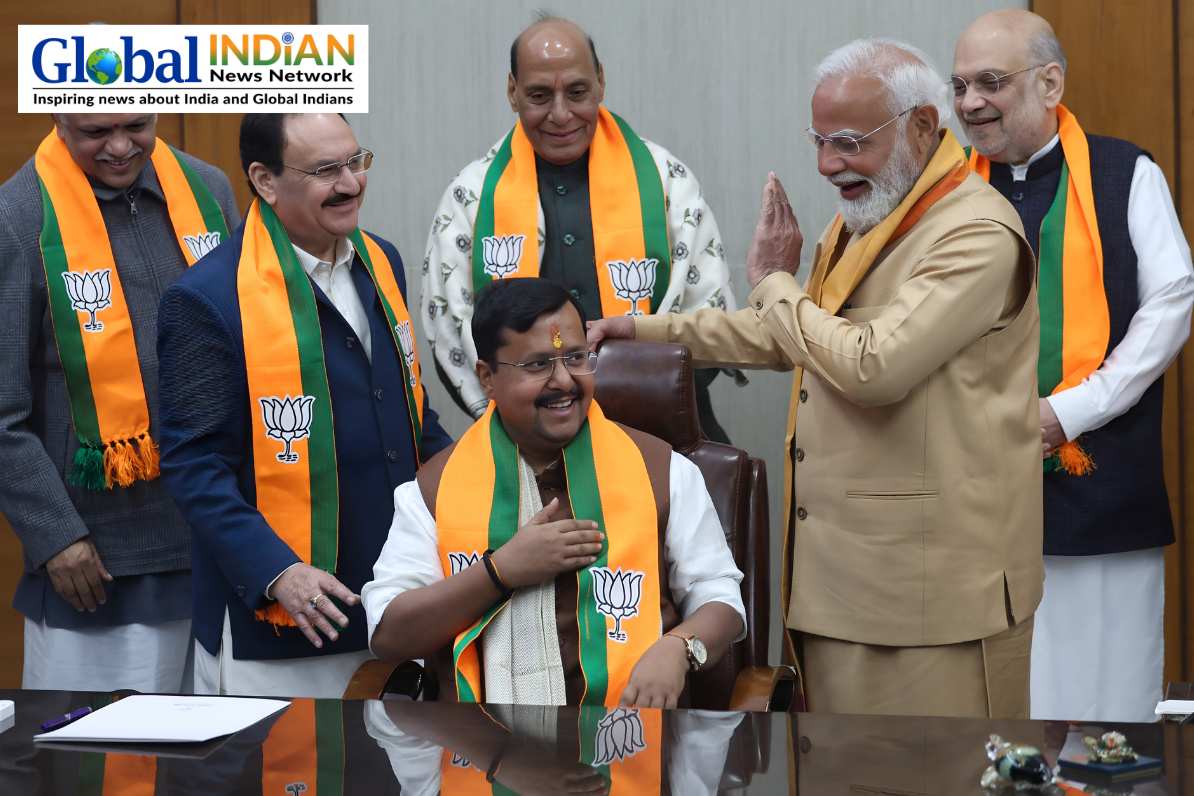
 Nitin Nabin, a five-time legislator from Bihar, has been elected unopposed as the national president of the Bharatiya Janata Party (BJP), becoming the youngest leader to hold the party’s top post. His election comes at a critical juncture as the BJP gears up for major state elections and seeks to expand its influence across India. Born in 1980—the same year the BJP was established—Nabin steps into leadership at a symbolic moment, marking a generational shift within the party.
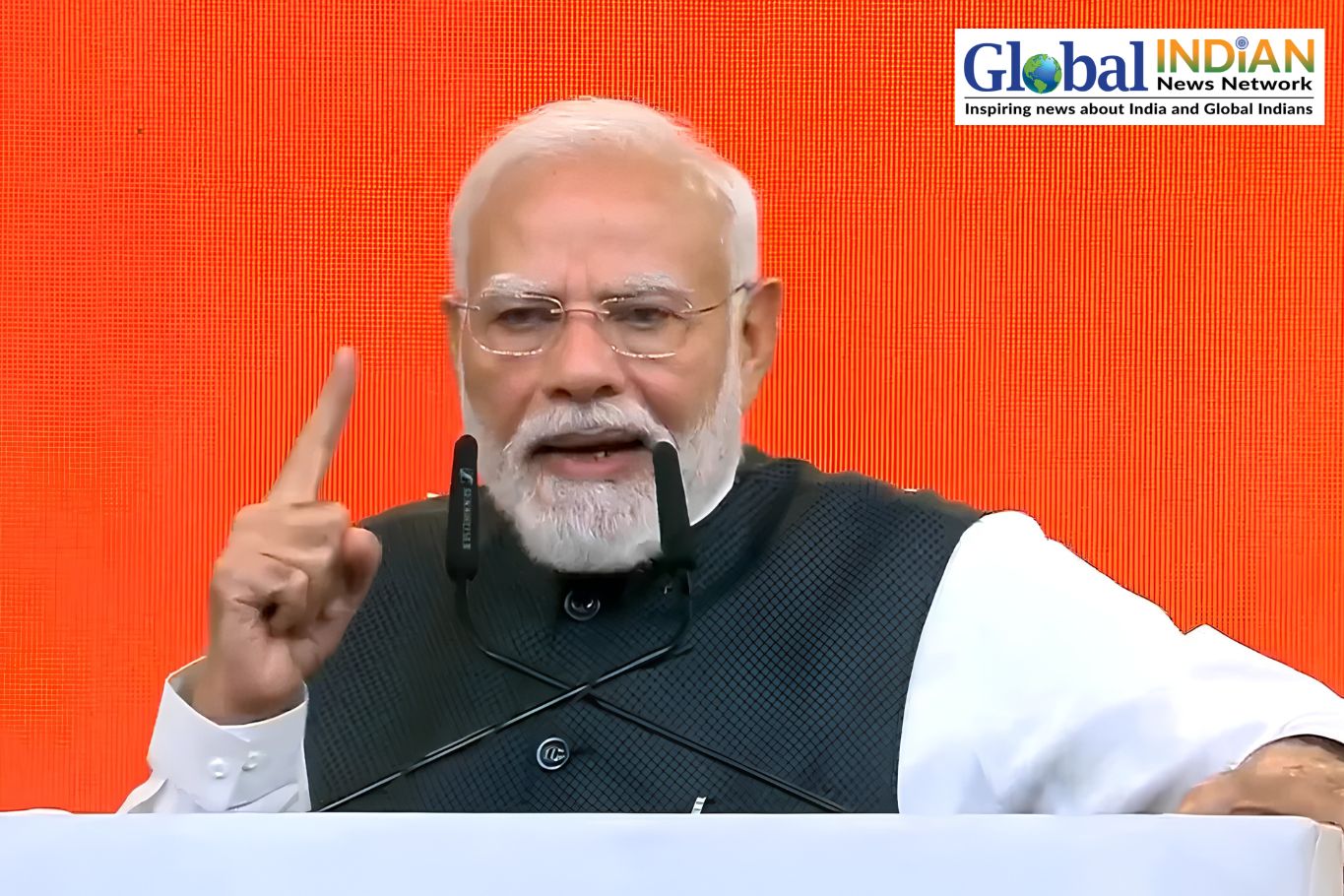
Prime Minister Narendra Modi, addressing the swearing-in ceremony at BJP headquarters in New Delhi, congratulated Nitin Nabin and declared that he would be “his boss” in party affairs. Modi highlighted Nabin’s millennial background, noting that he represents a generation that has experienced India’s economic, technological, and social transformations firsthand. The Prime Minister emphasized the importance of the next 25 years in India’s journey toward becoming a developed nation and expressed confidence that Nabin would drive the BJP’s legacy forward during this pivotal period.
The official announcement was made by K Laxman, Returning Officer for the BJP organizational elections, who presented Nitin Nabin with the certificate of election. The ceremony saw the presence of senior party leaders, including J P Nadda, Rajnath Singh, Amit Shah, and Nitin Gadkari, highlighting the significance of this leadership transition. Party workers across the country celebrated Nabin’s elevation to the national presidency, marking a new chapter for the BJP.
Prior to his election, Nitin Nabin resigned from his ministerial roles in Bihar, including law and justice, urban development, and housing, after being appointed as the BJP’s working president in December. Known for his unassuming and low-profile demeanor, Nabin also visited several temples and the Bangla Sahib Gurudwara in Delhi, paying respects alongside senior BJP leaders. His blend of youthful energy and extensive political experience positions him as a leader capable of navigating the challenges of India’s evolving political landscape.