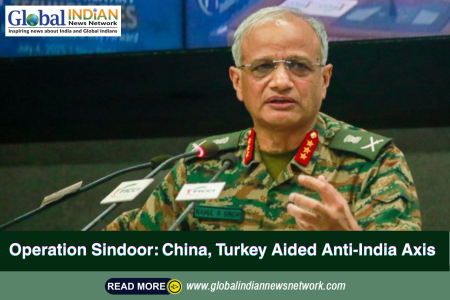
Top Indian defence sources have disclosed key insights into Operation Sindoor, a powerful counterterror mission carried out in response to the April 22 terror attack in Pahalgam. The scale, precision, and strategic brilliance of the operation highlight India’s intensified counterterror capabilities.
Among the most significant developments was a coordinated midnight strike on May 7 that neutralized over 170 terrorists in a single operation. The mission, which involved several Indian women pilots, struck hard at terror strongholds—particularly in Bahawalpur, where critical infrastructure was reportedly destroyed.
In the days that followed, India launched BrahMos missile attacks targeting Pakistani airbases, inflicting severe structural damage. Officials described the execution as one of “spectacular precision,” stating, “We hit all the targets we planned.”
While India suffered the loss of seven personnel, the operation reportedly resulted in the deaths of 42 Pakistani military members. Pakistan, described as “badly humiliated,” is believed to be contemplating a response, prompting Indian forces to remain on high alert. “The operation is only paused, not ended,” sources warned.
The success of Operation Sindoor has been partly credited to key reforms and readiness reviews initiated after the 2017 Doklam standoff with China, which sharpened India’s strategic focus.
In what Indian officials view as a symbolic face-saving measure, Pakistan promoted Army Chief General Asim Munir to the rank of Field Marshal following the setback.
The precision, planning, and execution of Operation Sindoor reflect India’s evolving military doctrine—combining decisive action with high-level strategic preparedness.