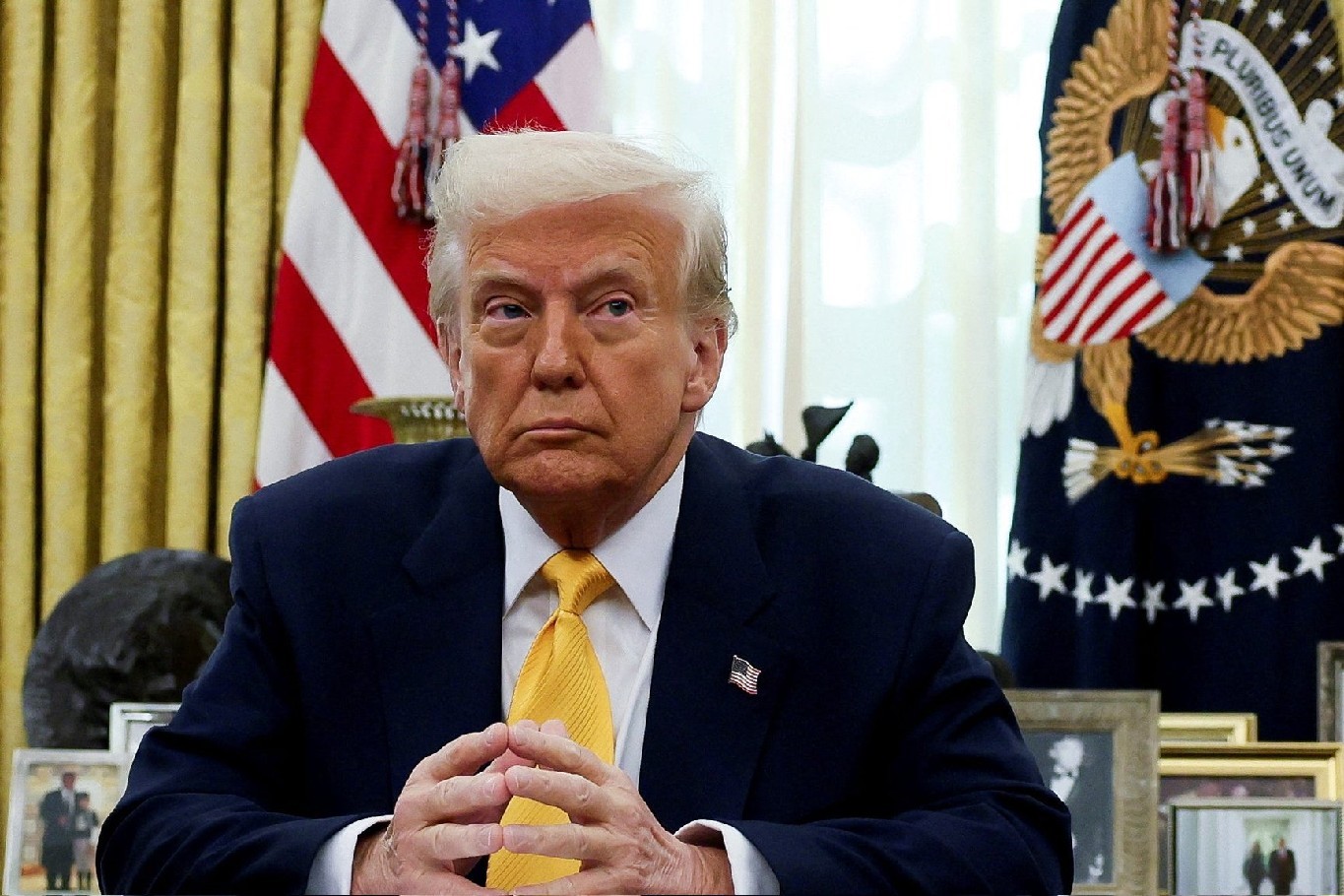
U.S. President Donald Trump recently claimed credit for facilitating the India-Pakistan ceasefire, a statement that has sparked significant controversy. Trump stated that both nations were on the brink of a nuclear conflict, and he intervened by threatening to halt trade relations unless they agreed to de-escalate. However, New Delhi swiftly dismissed his involvement, emphasizing that the ceasefire was a result of direct, bilateral negotiations between the two countries.
Taking to his Truth Social platform, Trump announced a “full and immediate” ceasefire between India and Pakistan, claiming credit for his mediation efforts. He also mentioned that it was the result of intense negotiations led by the U.S., which many officials echoed. However, India’s Ministry of External Affairs (MEA) clarified that no third party was involved, and the ceasefire came through direct talks between the Director Generals of Military Operations (DGMOs) of both countries on May 10.
Trump’s statements also included threats of suspending trade with both India and Pakistan if they failed to agree on de-escalating tensions. He suggested that his use of trade as leverage was unprecedented and that it played a significant role in bringing both nations to the negotiating table. However, India’s foreign ministry denied that trade was ever discussed during U.S. diplomatic talks regarding the conflict.
Additionally, Trump raised alarms about the potential for a nuclear conflict, claiming he had averted a disaster that could have resulted in millions of casualties. Once again, India refuted these claims, stating that the conflict was entirely conventional and there were no threats involving nuclear escalation. Pakistani officials also denied the rumors about their National Command Authority meeting to discuss the nuclear threat.
Experts suggest that Trump’s remarks may not significantly impact the ongoing trade discussions between the U.S. and India. However, some view the U.S. engagement with Pakistan as part of a larger strategy, while others criticize what they see as an outdated approach by the U.S. to treat India and Pakistan as equally involved in the conflict.