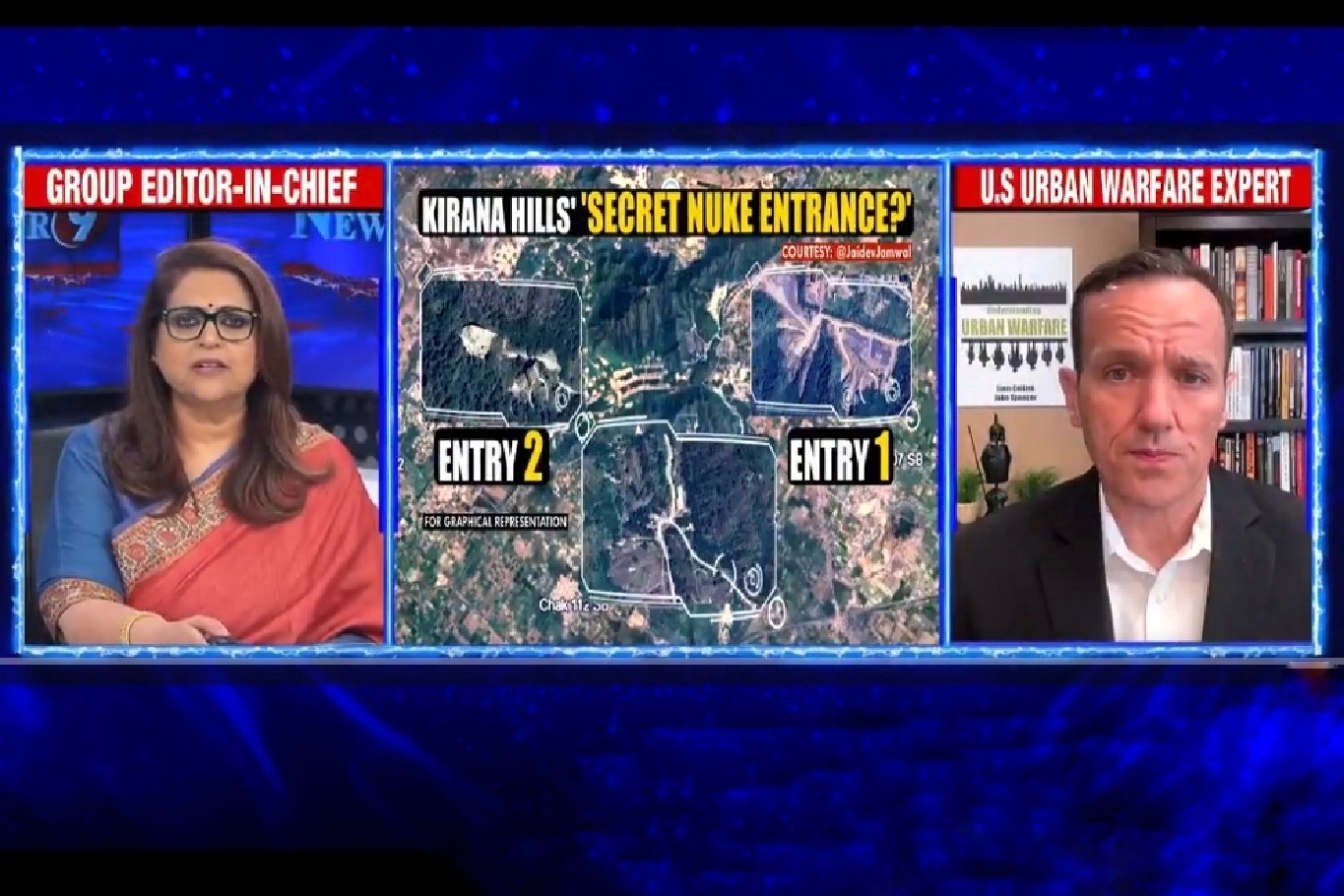
“That’s not a threat—it’s precedent,” commented defense expert Spencer, while analyzing India’s recent military response under Operation Sindoor. He emphasized that the operation delivered a clear and unequivocal message to both Pakistan and the global community. India demonstrated its capacity to target any Pakistani site—ranging from terror camps to drone networks and even airbases—at will. Meanwhile, Pakistan was unable to breach any fortified Indian zone.
“This isn’t parity. It’s strategic dominance,” Spencer emphasized. “Such dominance is what real deterrence looks like.”
In his national address after the operation, Prime Minister Narendra Modi asserted that India would not bow to nuclear threats or intimidation. His remarks made it clear: the era of tolerating terrorism under the veil of diplomacy or commerce is over. “Operation Sindoor stands as our firm stance against terrorism and a resolute commitment to justice. It’s the new standard. We’ve merely paused further action—for now. The future depends on how Pakistan conducts itself,” PM Modi declared.
Spencer further highlighted that India responded with controlled yet forceful precision, stopping short of all-out war. This calibrated escalation, he argued, served a vital purpose—establishing deterrence without falling into a prolonged conflict. “India retaliated decisively but retained command over the tempo of escalation,” he said.
On the diplomatic front, Spencer underscored that India managed the situation independently, without leaning on international mediation or external pressure. “The country executed its defense doctrine through sovereign channels and decisions,” he wrote on X, formerly Twitter.
He clarified that the mission’s goal was never about territorial control or political upheaval across the border. Operation Sindoor was driven by clearly defined objectives. “True strategic victory isn’t measured by devastation—it’s about fulfilling political and security goals,” Spencer explained.
Ultimately, India’s actions weren’t fueled by revenge but by a desire to establish a credible deterrent. The results, according to him, speak for themselves. “India wasn’t avenging—it was preventing. And it succeeded,” he concluded.
Through Operation Sindoor, India has introduced a bold shift in its counterterrorism posture—moving from reactive to pre-emptive while making it clear that sovereignty, security, and justice cannot be compromised, nor will they be subjected to nuclear coercion.