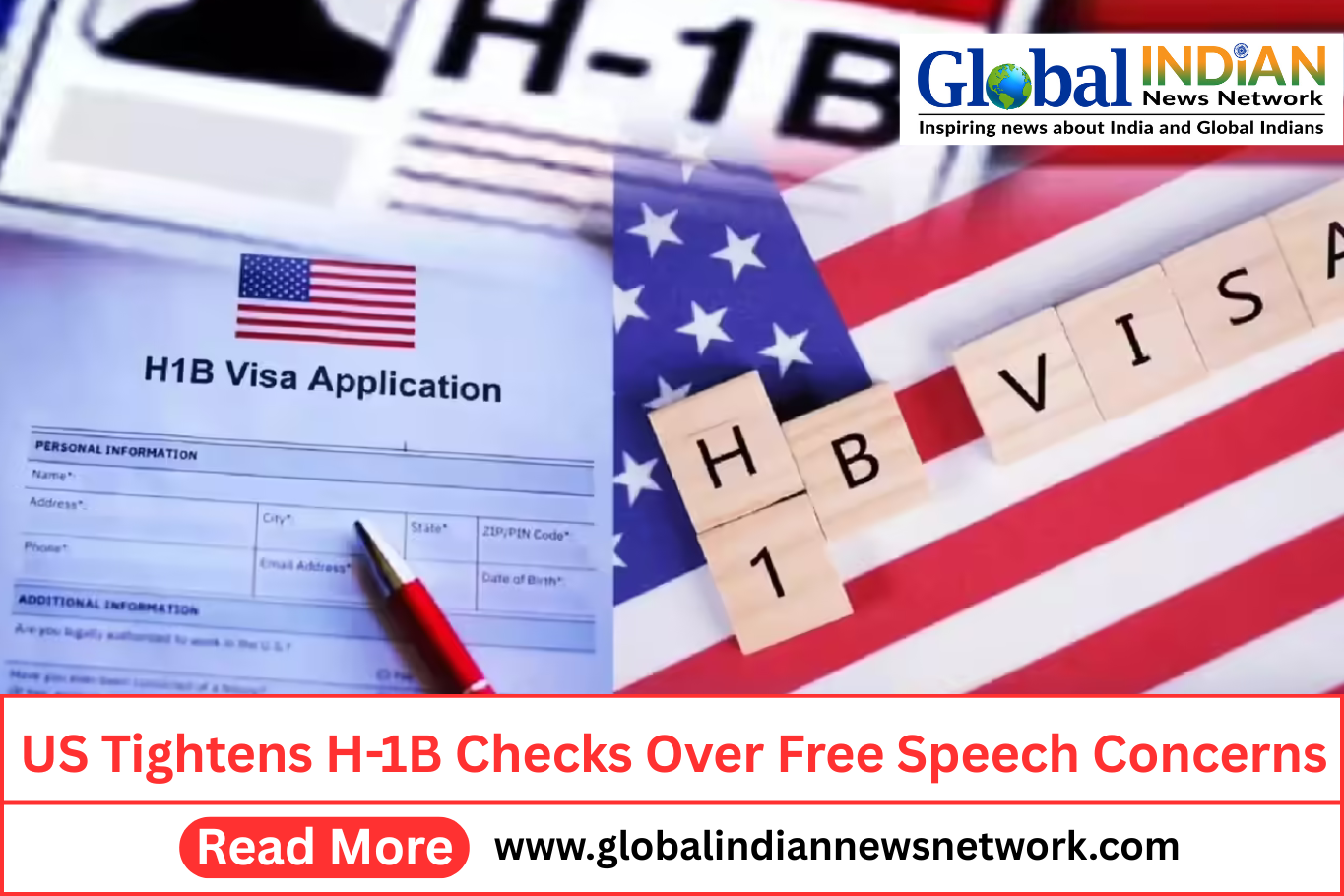
The US State Department has issued new instructions requiring American consular officers to closely review the LinkedIn profiles and resumes of H-1B visa applicants, according to a Reuters report. Under this directive, anyone found to have participated in what Washington views as censorship of legally protected speech in the United States may be ruled ineligible for entry.
The H-1B program is a critical talent pipeline for US technology firms, with a large share of workers arriving from India and China. Despite earlier expectations that Donald Trump’s leadership would result in business-friendly policies, companies are now faced with yet another level of immigration scrutiny. The administration argues the new checks are necessary to protect free expression in the country.
A State Department cable dated December 2 instructs visa officers to evaluate whether applicants—or their family members—have been employed in areas such as content moderation, misinformation or disinformation research, fact-checking, compliance, or online safety. These professions, the cable notes, may involve restricting speech that is safeguarded under US law. Officers are directed to determine ineligibility if evidence suggests involvement in suppressing protected expression, citing provisions from the Immigration and Nationality Act.
While the policy applies across all visa types, the sharpest focus is on H-1B workers, who often work in technology, financial services, and social-media-related roles—industries that US officials claim have restricted speech in the past. Both new applicants and returning workers will be subject to the enhanced reviews, which require officers to thoroughly examine employment histories.
The Trump administration has positioned free speech as a central theme of its foreign policy, regularly criticizing European nations for actions it views as limiting conservative viewpoints. Earlier in the year, Republican Senator Marco Rubio advocated for visa bans targeting individuals involved in censoring American speech, including foreign regulators overseeing US tech companies. The administration has already widened social-media screening for student visas and raised H-1B fees as part of an ongoing immigration overhaul.
For India, the impact could be significant. Indian nationals account for more than 70% of the annual 85,000 H-1B visas, making the community particularly vulnerable to the new checks. Industry bodies such as NASSCOM are advising companies to carefully review candidate profiles to reduce the risk of refusals.
In effect, a policy framed as protecting American speech could shape global tech mobility and push Indian firms to prepare their talent pipelines more strategically.