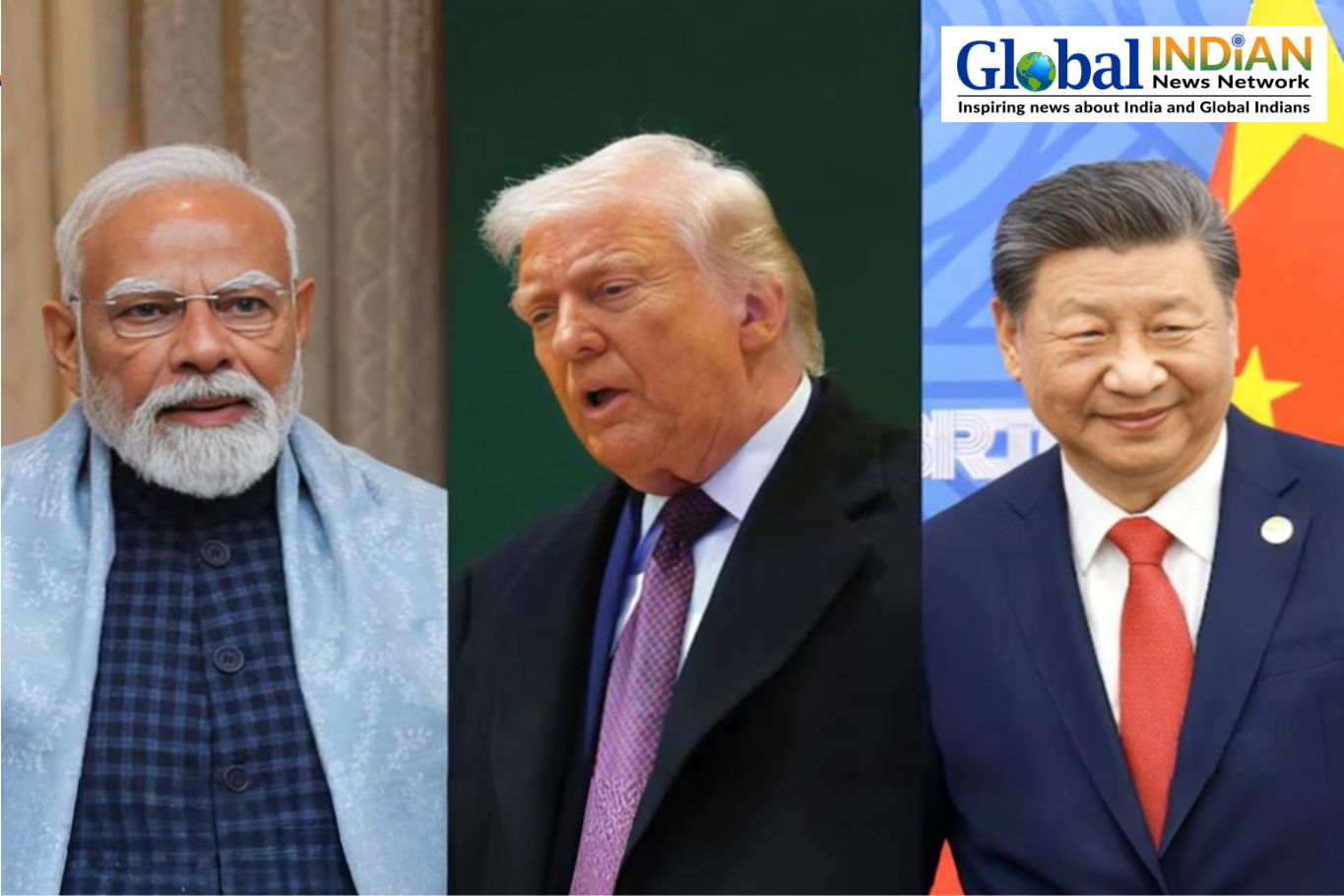
 The United States-China Economic and Security Review Commission (USCC) will hold its first public hearing of 2026 in February, with a special emphasis on India. The bipartisan congressional body plans to examine the evolving strategic partnership between the United States and India, as well as the implications of India’s relationship with China on regional security and economic interests. The hearing is scheduled for February 17.
The session will cover geopolitical and defence-related issues, including India-China border tensions, maritime access in the Indian Ocean, and India’s role as a strategic power in the Indo-Pacific. It will also explore economic and technological aspects, such as trade, investment, and India’s push for self-reliance in sectors like artificial intelligence, semiconductors, and pharmaceuticals.
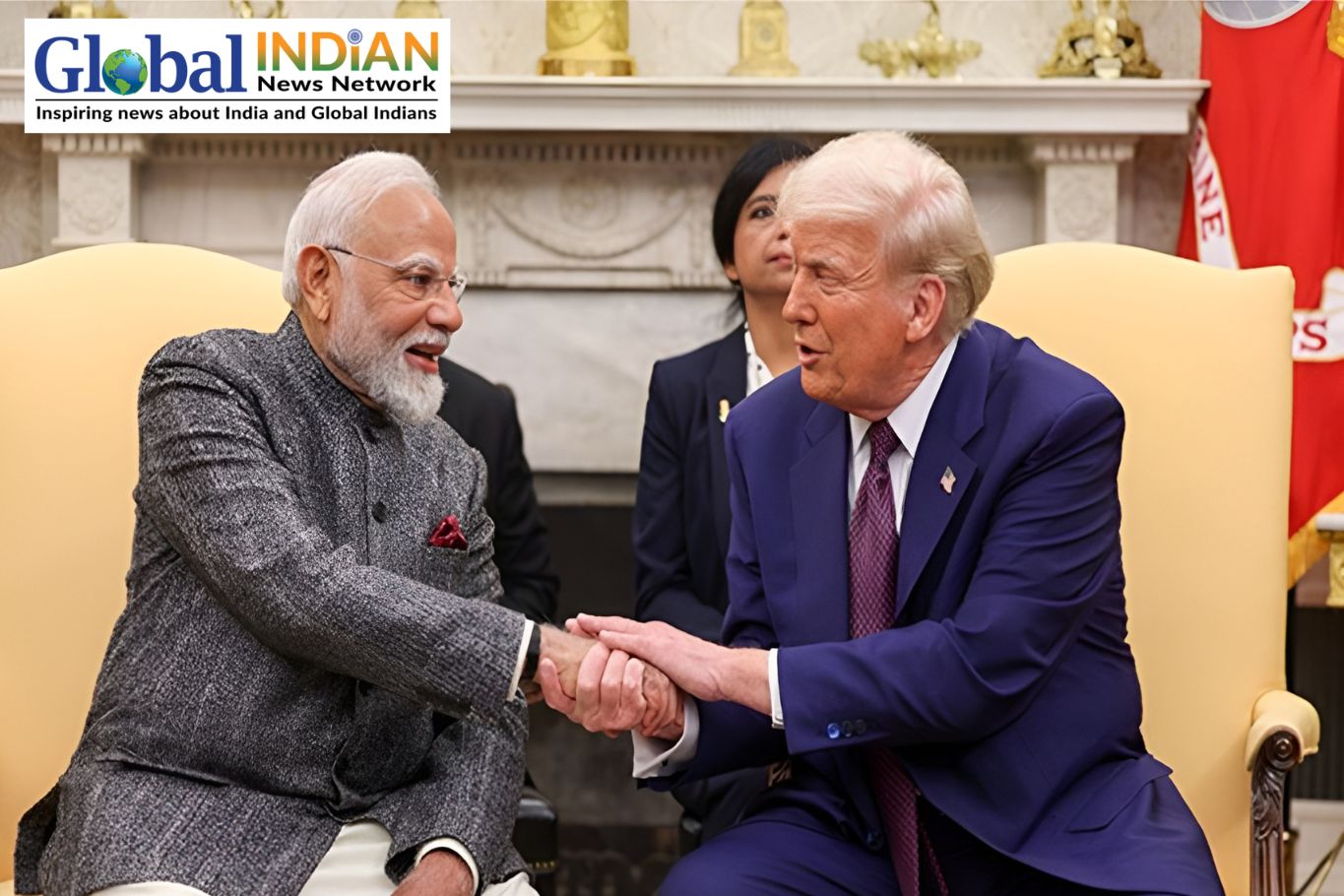
This hearing comes at a time when New Delhi is considering a “graded” reopening of its economy to China, contingent on reciprocal actions by Beijing. Relations between the two nations, which were strained after the 2020 Galwan Valley clash, began to improve following high-level visits, including PM Narendra Modi’s October 2024 meeting with Chinese President Xi Jinping at the BRICS Summit and a subsequent visit to China. Progress since then has included reopening air links suspended for five years and allowing Chinese firms to re-enter Indian investment and procurement channels.
The upcoming hearing is also timed ahead of US President Donald Trump’s state visit to China in April 2026, highlighting the delicate balance Washington seeks to maintain in its Indo-Pacific strategy. The US has increasingly turned to India as a strategic partner to counter China’s influence, leveraging India’s geographic location, military capabilities, and growing economic weight.
Established by Congress in 2000, the USCC monitors and reports on the national security implications of the US-China trade and economic relationship. This India-focused hearing reflects Washington’s broader efforts to strengthen its strategic ties with New Delhi while assessing the regional impact of India-China relations.