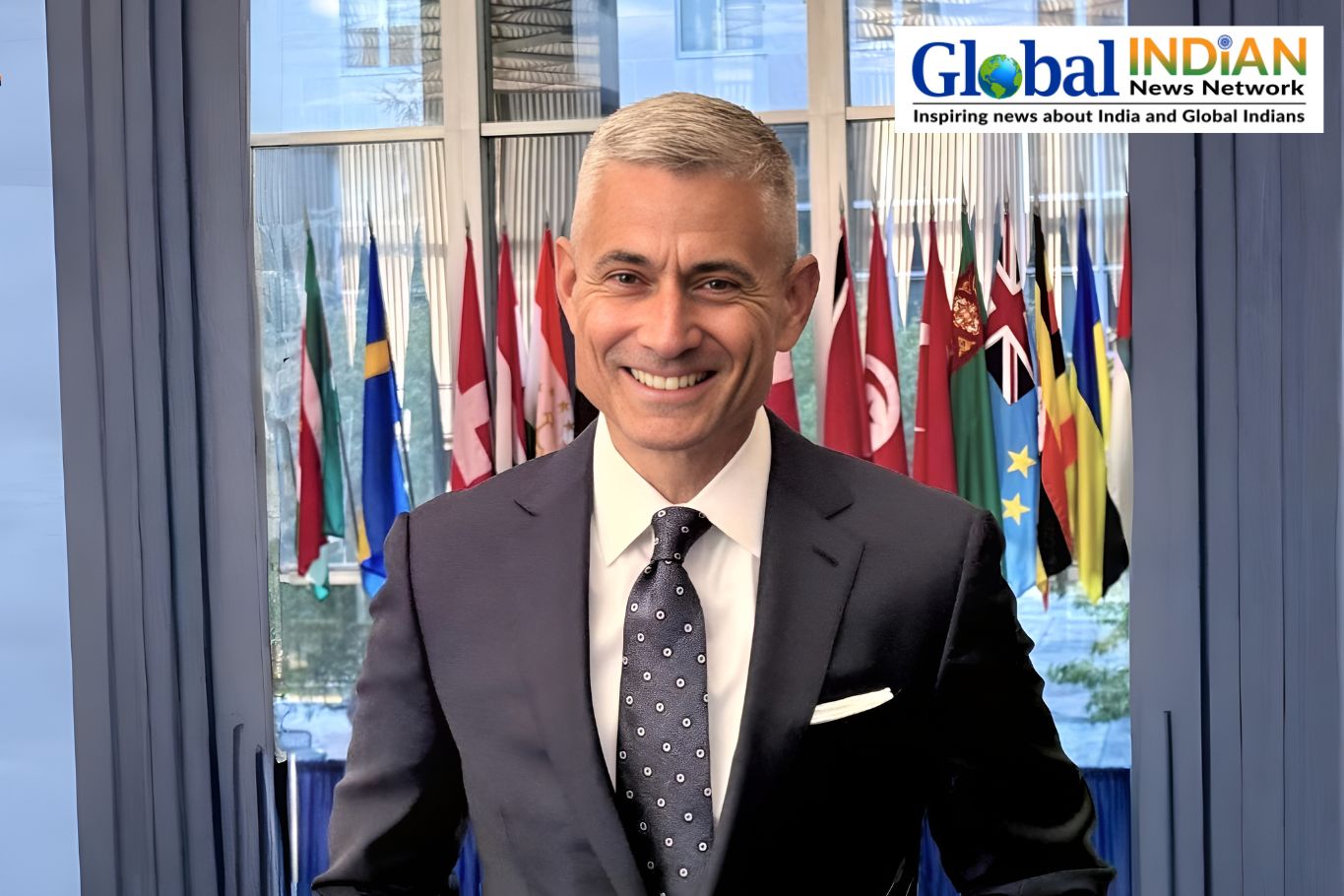
 Washington has recognized India as a central pillar for stability in South Asia and the western Indo-Pacific, as the Trump administration outlined its “America first” approach focused on trade, defense collaboration, and targeted investments across the region. In written testimony before the House Foreign Affairs Committee’s Subcommittee on South and Central Asia, Assistant Secretary of State Paul Kapur emphasized that President Trump’s National Security Strategy prioritizes active engagement in key global regions to advance US economic and security interests.
Kapur highlighted South Asia’s global significance, noting India’s population of over one billion and its vast subcontinental territory. He warned that allowing a hostile power to dominate the region could disrupt the global economy, stressing that the United States must maintain an open and free South Asia. India, he said, with its strategic location and commitment to regional openness, anchors South Asia and the broader western Indo-Pacific.
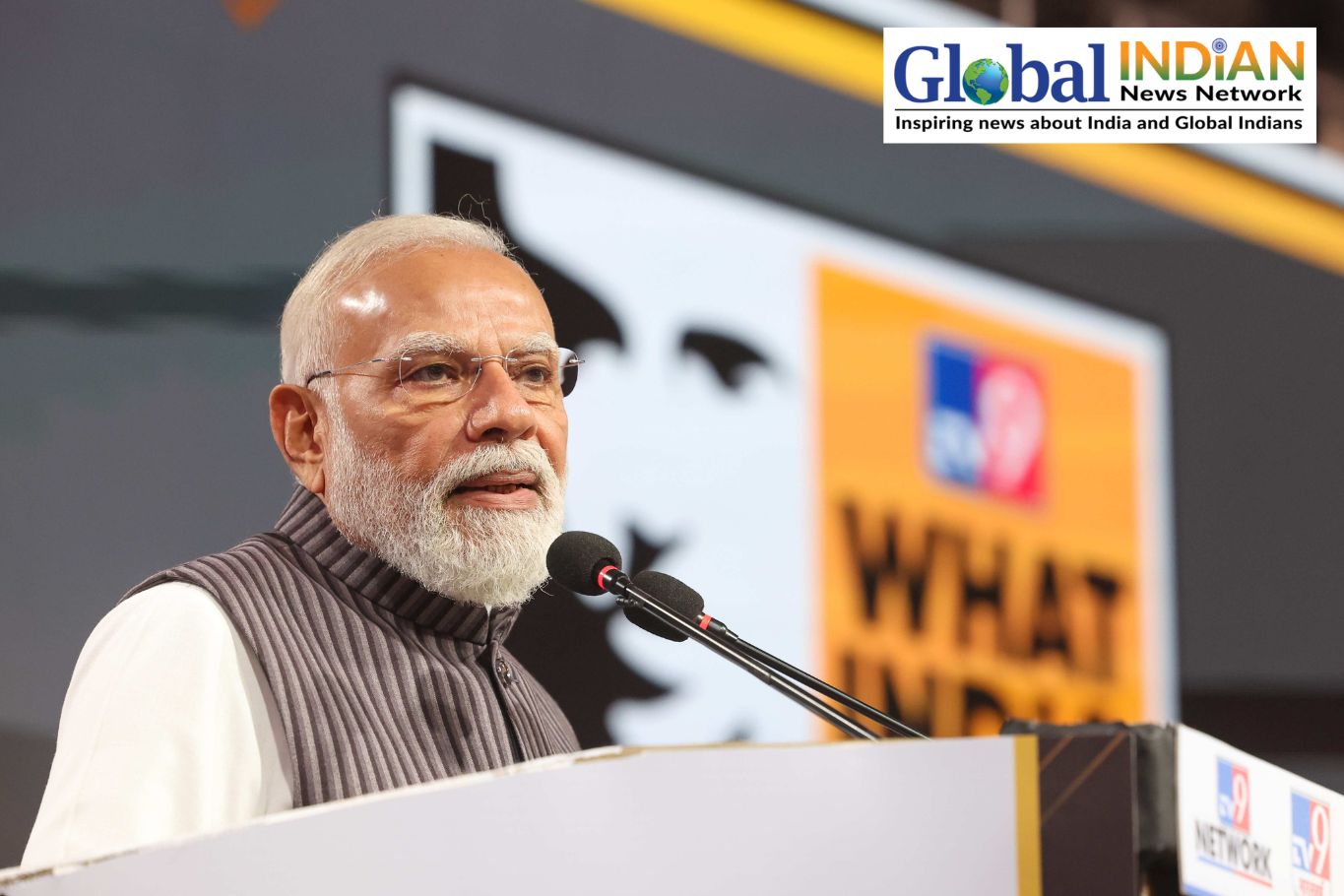
The testimony underscored growing US-India cooperation, including high-level diplomatic exchanges, defense collaboration, technology partnerships, and energy trade. Key initiatives cited included the renewed 10-year US-India Defense Framework Agreement, the TRUST initiative, and India’s procurement of US goods, from drones to liquefied natural gas. Kapur also pointed to recent trade milestones, including the historic trade framework between President Trump and Prime Minister Modi, as well as a US-Bangladesh deal granting American exporters access to a market of 175 million people.
Beyond trade, Kapur outlined three strategies for building regional capacity: defense cooperation, targeted investments, and diplomacy. He highlighted Pakistan as a critical partner for developing mineral resources, energy, and agriculture while noting ongoing counterterrorism collaboration. Other South Asian nations, including Bangladesh, Nepal, Maldives, Sri Lanka, and Bhutan, were described as strategically important but potentially vulnerable to coercion, with Kapur cautioning against debt-trap diplomacy.
Kapur called for bipartisan support to strengthen regional strategic capacity, enabling partners to enhance their own security and prosperity while ensuring the United States remains safer and stronger. South Asia, he concluded, is central to US Indo-Pacific policy, particularly as the country works to counter China’s growing economic and security influence, with India emerging as a key collaborator in defense, multilateral engagement, and trade expansion.